
Korean Stock Market Suffers Worst Two-Day Crash Since 2008
The South Korean stock market is in freefall. According to Bloomberg, the KOSPI index has suffered its worst two-day decline since the 2008 global financial crisis, with panic selling sweeping through Seoul's financial markets as the widening US-Iran war sends shockwaves across global economies. The sharp downturn is rattling investors worldwide and raising urgent questions about portfolio exposure to Asian markets during a period of extraordinary geopolitical instability.
According to reports from Bloomberg, the scale of the selloff has been described as historic for the Korean market, with traders fleeing risk assets en masse. The crash has been triggered primarily by escalating fears surrounding the US-Iran conflict, now entering its fifth day of active strikes according to CBS News, and the cascading effect that surging oil prices are having on energy-dependent economies like South Korea.

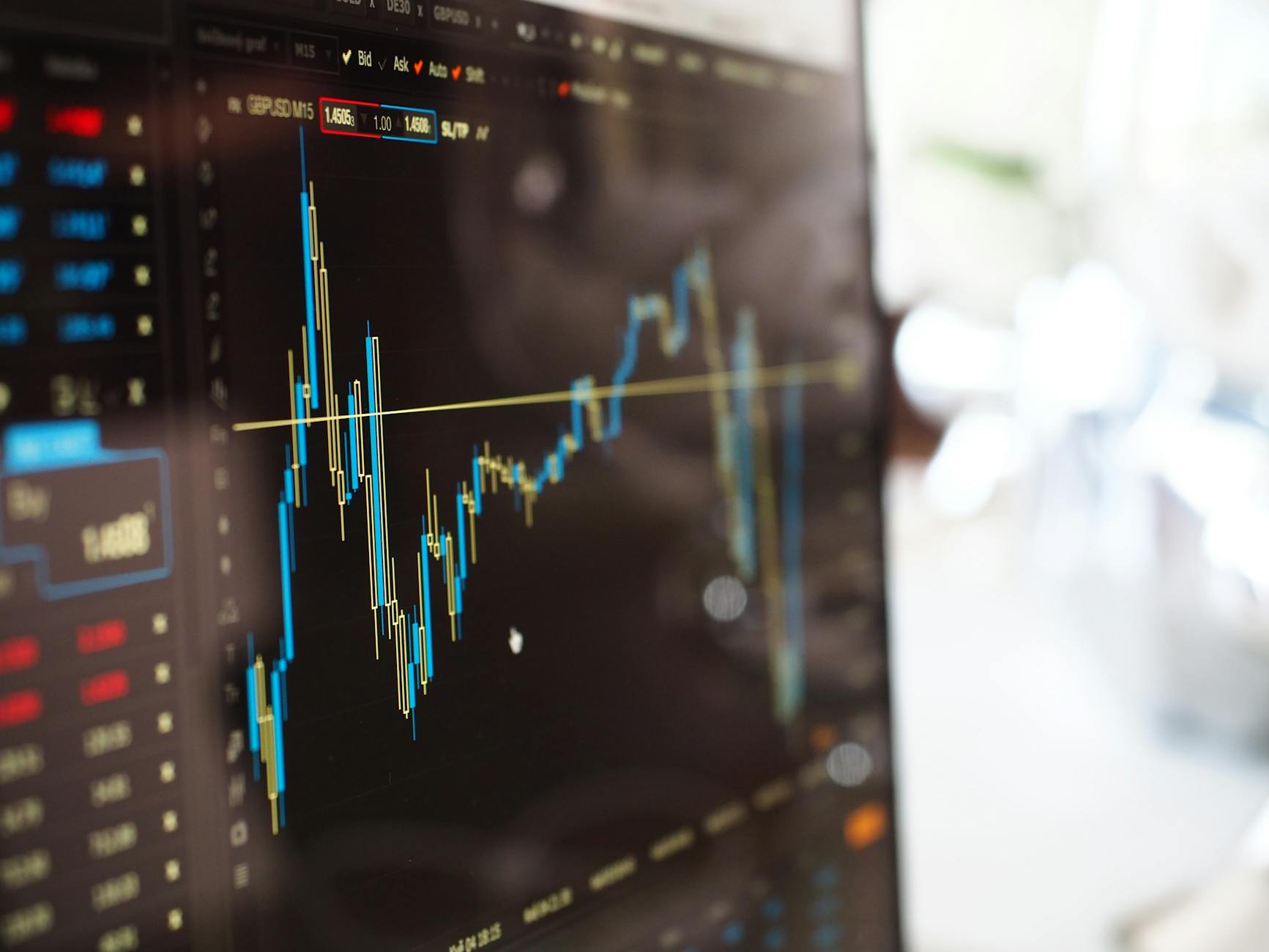
Photo by Fahrettin Turgut on Pexels | Source
Why South Korea Is So Vulnerable to the Iran War
South Korea is one of the world's most energy-dependent developed economies, importing the vast majority of its crude oil and liquefied natural gas (LNG) needs. When energy prices spike — as they have dramatically in response to the ongoing conflict in the Middle East — Korean manufacturers, shipping companies, and consumers feel the pain almost immediately.
According to AP News, markets in Europe have managed to eke out modest gains while Asian shares have broadly declined as the Iran war widens and oil prices surge. This divergence reflects a key structural reality:
- European economies have more diversified energy sourcing and pipeline access to non-Gulf suppliers
- Asian economies, particularly South Korea, Japan, and Taiwan, are heavily reliant on Middle Eastern oil via tanker routes through the Persian Gulf and Indian Ocean
- South Korea's manufacturing sector — including Samsung, Hyundai, and POSCO — is highly energy-intensive, making it uniquely exposed to fuel price shocks
The combination of rising energy costs, a weaker Korean won (which makes imports more expensive), and investor risk aversion has created what analysts have described as a perfect storm for Korean equities.

Photo by Leeloo The First on Pexels | Source
Global Markets React to Iran War Escalation
The Korean crash is part of a broader pattern of market turbulence. According to CNBC's live market updates as of early March 2026, US stock futures are showing little movement as traders nervously monitor the war's developments. Oil stocks, meanwhile, have been among the few sectors to benefit from the conflict, according to the Baton Rouge Business Report's roundup, as supply concerns drive crude prices higher.
According to Investor's Business Daily, rare earth stocks are also flashing buy signals as geopolitical tensions rise — a phenomenon familiar to investors who remember the supply chain scrambles of the early 2020s. Iran is not a major rare earth producer, but broader conflicts in the region tend to accelerate demand for defense technologies and domestic supply chain alternatives in the United States and allied nations.
Here is a snapshot of how major asset classes have been performing in the context of the crisis, according to recent reports:
- Oil prices: Sharply higher, with Brent crude surging on supply concerns
- Korean KOSPI: Down dramatically over two trading sessions — worst since 2008
- Asian equities broadly: Under significant pressure
- European equities: Modest gains as investors rebalance away from Asia
- US futures: Tentatively stable but highly sensitive to war developments
- Rare earth stocks: Rising on defense-related demand signals
- Oil company stocks: Among the top performers globally
What This Means for Individual Investors in 2026
For investors holding Korean equities — whether directly or through emerging market ETFs — the current environment demands careful attention. South Korea is a significant weighting in many major emerging market and Asia-Pacific index funds, meaning that even investors with no direct exposure to Korean stocks may be feeling the impact.
According to financial analysts cited in Bloomberg's coverage, the two-day crash magnitude is significant because it suggests institutional investors, not just retail traders, are actively de-risking their Korean positions. Institutional selloffs of this scale tend to be more sustained than panic-driven retail selloffs because they reflect systematic portfolio rebalancing rather than emotional trading.
Key risks to monitor for Korean market exposure:
- Oil price trajectory: If Brent crude continues to climb, Korean corporate margins will compress further
- Won depreciation: A weaker Korean currency increases import costs and can trigger further capital outflows
- Supply chain disruptions: Korean manufacturers rely on global shipping lanes that run through increasingly contested waters
- Contagion to Taiwan and Japan: Both markets have similarly high energy import dependencies

Photo by CHARLIE MIN KIM on Pexels | Source
The Broader Asian Market Picture
While Korea's crash is the most dramatic single-market story this week, the broader Asian market environment is under strain. According to AP News, Asian shares have broadly declined as the conflict widens, with risk-off sentiment dominating trading floors from Tokyo to Singapore.
Japan's Nikkei and Taiwan's TAIEX have also seen notable declines, though neither has matched Korea's two-day drop in percentage terms, according to available market reports. The divergence between European gains and Asian losses reflects a growing consensus among global fund managers that Asian economies — clustered closer to Middle Eastern energy supply lines and more dependent on Gulf oil — face a more direct economic headwind from the current conflict than their European counterparts.
For context, during the 2022 energy crisis triggered by Russia's invasion of Ukraine, South Korea was similarly hit hard before recovering as LNG prices stabilized. However, analysts note that the current conflict involves direct US military engagement and a far less predictable resolution timeline, making the current situation potentially more prolonged.
Is This a Buying Opportunity or a Warning Signal?
The question on every investor's mind when a market drops this fast is whether the selloff represents a panic-driven buying opportunity or the beginning of a more sustained decline. According to Bloomberg's reporting, South Korea's crash is being compared in scale to the 2008 crisis — a period that, while eventually presenting outstanding entry points for long-term investors, was also followed by months of further pain before a bottom was reached.
According to Investor's Business Daily, rare earth and defense-adjacent stocks are flashing buy signals, suggesting some investors are already repositioning toward sectors that benefit from geopolitical tension rather than suffer from it. However, broad market exposure to Korean or Asian equities remains, by most accounts, a higher-risk proposition today than it was one week ago.
The situation remains highly fluid. According to CBS News, the US-Iran conflict is actively escalating as of Day 5, and according to CNN, the United States is struggling to evacuate American citizens from the broader Middle East region as US assets come under fire. Until there are clearer signals of de-escalation, market volatility across Asia is likely to remain elevated.
Key Takeaways for Investors Watching Korea
- South Korea's stock market has seen its worst two-day crash since 2008, according to Bloomberg
- The primary driver is the widening US-Iran war and surging oil prices, according to AP News
- South Korea's energy import dependency makes it structurally vulnerable to Middle Eastern conflict
- Global investors with emerging market or Asia-Pacific ETF exposure may be indirectly affected
- Oil stocks and rare earth equities are among the few sectors showing strength, according to recent reports
- The situation remains active and unresolved, keeping risk levels elevated for the near term
For investors navigating this environment, close monitoring of oil price movements, Korean won exchange rates, and war developments will be essential to making informed decisions in the days and weeks ahead.
Frequently Asked Questions
Why is the Korean stock market crashing in 2026?
According to Bloomberg, South Korea's KOSPI index has suffered its worst two-day decline since 2008, driven primarily by the escalating US-Iran war and surging oil prices. South Korea is heavily dependent on Middle Eastern oil imports, making its economy and stock market particularly vulnerable to energy price shocks caused by the conflict.
How does the US-Iran war affect Asian stock markets?
According to AP News, Asian shares have broadly declined as the Iran war widens and oil prices surge higher, while European markets have managed modest gains. Asian economies like South Korea, Japan, and Taiwan are highly dependent on Gulf oil transported through shipping lanes near the conflict zone, making them more directly exposed to the economic fallout.
Should I sell my emerging market ETFs during the Korea stock crash?
South Korea is a significant component of many emerging market and Asia-Pacific index funds, so holders of these ETFs are likely already feeling the impact. Financial decisions should be based on your personal risk tolerance and time horizon, and it is advisable to monitor oil price developments and war escalation signals closely before acting.
What stocks are going up during the Iran war and Korea crash?
According to Investor's Business Daily, rare earth stocks are flashing buy signals as geopolitical tensions rise, and oil company stocks have been among the top-performing sectors globally amid the conflict. These sectors tend to benefit from supply chain concerns and heightened defense spending that accompany major geopolitical crises.
How does the current Korean crash compare to past market crises?
According to Bloomberg, the two-day decline in Korean stocks is the worst since the 2008 global financial crisis, indicating the severity of the current selloff is historically significant. The 2008 crash eventually presented long-term buying opportunities, but it was also followed by months of additional market pain before a bottom was reached.


