
The World's Most Critical Oil Chokepoint Is Under Threat Again
As Israeli and U.S. strikes on Iranian territory continue to escalate this week, global attention has turned sharply toward a narrow strip of water that carries roughly 20% of the world's oil supply: the Strait of Hormuz. According to AP News, the strait — a passageway just 21 miles wide at its narrowest point, situated between Iran and Oman — is now at the center of an intensifying geopolitical standoff that is sending shockwaves through global energy markets. With oil prices spiking and U.S. LNG producers scrambling to fill the gap, the stakes for consumers, investors, and governments worldwide could not be higher.

Photo by Diego F. Parra on Pexels | Source
What Is the Strait of Hormuz and Why Does It Matter So Much?
The Strait of Hormuz is the single most important maritime chokepoint for global energy supply. According to AP News, approximately 21 million barrels of oil per day pass through this narrow corridor, accounting for roughly one-fifth of total global petroleum liquids consumption. Major oil exporters that depend on the strait include Saudi Arabia, Iraq, Kuwait, the UAE, and Iran itself. Beyond crude oil, a significant share of the world's liquefied natural gas (LNG) — particularly from Qatar, the world's largest LNG exporter — also transits through these waters.
The strait's strategic importance has long made it a focal point of geopolitical tension. Iran has repeatedly threatened to close the strait during periods of conflict with Western powers, and the current escalation is no different. According to reporting by The New York Times this week, Qatar reported shooting down two Iranian bombers in the past 72 hours — a dramatic development that signals how rapidly the conflict is spreading beyond Iran's borders. Satellite imagery published by The New York Times also shows Pakistan striking Bagram Air Base, underscoring how regionally destabilizing the current crisis has become in just days.
Oil Markets React Sharply as Conflict Spreads
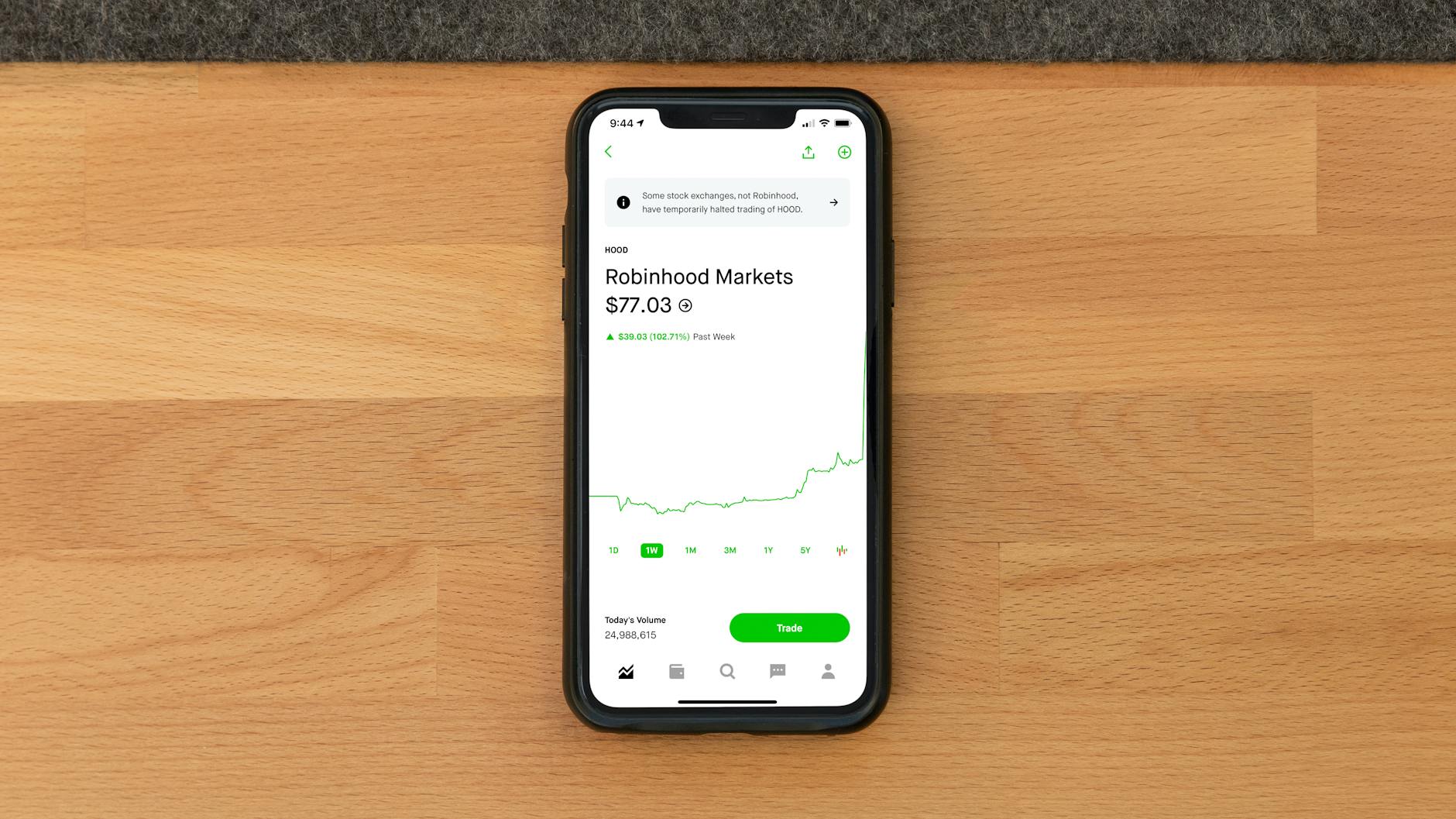
Financial markets wasted no time pricing in the risk. According to live updates from The Wall Street Journal, the Dow Jones Industrial Average dropped significantly on Monday as oil prices jumped on renewed fears of supply disruption linked to the Iran conflict. WTI crude and Brent crude both surged as traders assessed the probability of Strait of Hormuz interference.
Key market developments reported this week include:
- Oil prices spiking as the Iran conflict spread across the Middle East within 72 hours, according to The Washington Post
- U.S. LNG producers rushing to capitalize on surging natural gas prices triggered by the conflict, according to the Financial Times
- Goldman Sachs resetting its Nvidia forecast after earnings — a reminder that the Iran conflict is creating volatility far beyond the energy sector
- JPMorgan CEO Jamie Dimon warning of a potential market 'skunk' that could derail equities, according to MarketWatch
- South Korea's Kospi posting its worst single day in 19 months, according to CNBC, as Asian markets reacted to the broader conflict escalation

Photo by Ivan Hassib on Pexels | Source
U.S. LNG Producers Rush to Fill the Gap
One of the more consequential economic side effects of the current crisis is the accelerating opportunity for U.S. liquefied natural gas exporters. According to reporting by the Financial Times this week, American LNG producers are moving quickly to secure long-term contracts and spot sales as European and Asian buyers grow increasingly anxious about Middle Eastern supply reliability.
The logic is straightforward: if Iran disrupts Qatari LNG flows through the Strait of Hormuz — even temporarily — the global LNG market faces an immediate supply shortfall. Qatar is the world's second-largest LNG exporter, and any disruption to its output or shipping routes would send prices soaring. U.S. exporters operating out of Gulf Coast terminals are now reportedly in active negotiations to redirect cargoes and accelerate delivery timelines, according to the Financial Times.
This dynamic has significant implications for American energy policy under the Trump administration, which has long championed expanded LNG export capacity as both an economic and geopolitical tool. The current crisis appears to be validating that strategy in real time.
Security Concerns Spread Beyond the Middle East
The conflict's ripple effects are not limited to energy markets. According to Axios, U.S. Capitol security has been described as "heightened" in direct response to the Iran conflict — a sign that American authorities are taking seriously the risk of retaliatory threats on domestic soil. According to Reuters, President Trump acknowledged this week that he found it "sad to see" the U.S.-UK relationship showing signs of strain over the Iran strikes, suggesting that the diplomatic fallout from the military campaign is beginning to surface among traditional allies.
According to The Washington Post, the threat from the Iran conflict has spread across the broader Middle East within just 72 hours of the latest escalation — a pace that analysts describe as unusually rapid even by the volatile standards of this region. An analysis by The New York Times this week described an emboldened Israel actively seizing on the moment to reshape the regional order, with implications that extend well beyond Iran.
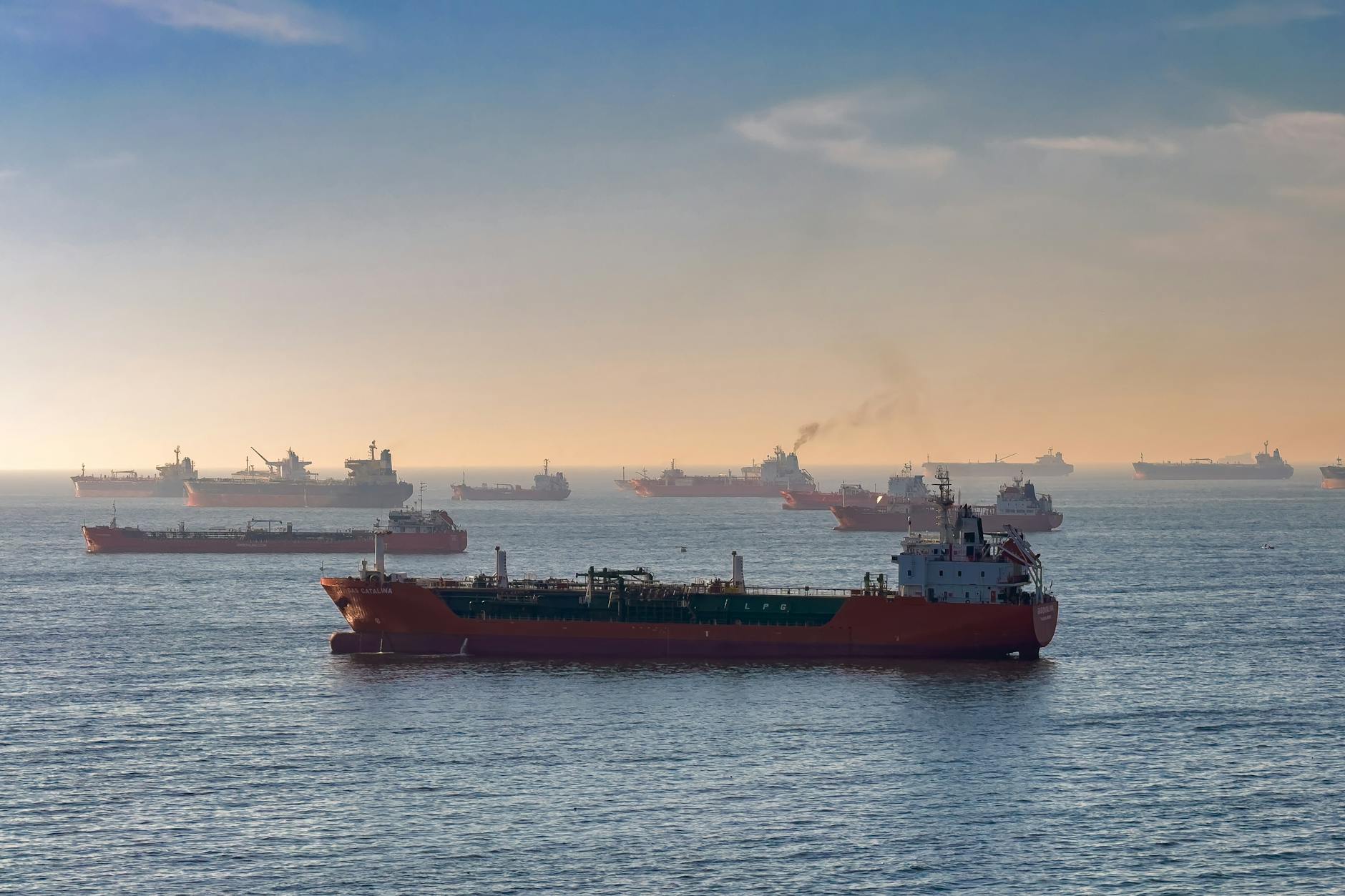
Photo by İrfan Simsar on Pexels | Source
What Closing the Strait Would Actually Mean
While Iran has not formally announced any closure of the Strait of Hormuz as of this writing, the threat is being taken seriously by energy analysts and governments alike. According to AP News, even a partial disruption — through mining, harassment of tankers, or targeted missile strikes on shipping — would have an immediate and severe impact on global oil supply chains.
A full or partial Strait closure could produce:
- Immediate oil price spikes well beyond current elevated levels, with some analysts citing scenarios above $120 per barrel
- Emergency drawdowns from strategic petroleum reserves in the U.S., Europe, and Asia
- Severe disruption to Asian economies — Japan, South Korea, China, and India collectively depend on Gulf oil for a significant share of their energy needs
- LNG shortfalls in Europe, which has worked hard since 2022 to reduce Russian gas dependency but has increased reliance on Qatari LNG in the process
- Shipping insurance costs skyrocketing, as war-risk premiums for vessels transiting the Persian Gulf and Arabian Sea would surge
For context, even during the tanker attacks of 2019 and the Houthi Red Sea campaign of 2024-2025, full strait closure was avoided — but the current level of direct military confrontation between Israel, the U.S., and Iran represents a qualitatively different escalation threshold.
What Experts and Governments Are Watching
According to AP News, the countries most exposed to a Strait of Hormuz disruption are closely monitoring Iranian military positioning and any signals from Tehran about its willingness to weaponize the waterway. Gulf states — including Saudi Arabia and the UAE — have invested in pipeline infrastructure specifically designed to bypass the strait in emergency scenarios, but these alternatives cover only a fraction of normal throughput.
For ordinary consumers in the U.S. and Europe, the most immediate effect of a prolonged disruption would be felt at the gas pump and in home heating costs, particularly as spring demand begins to build. For global supply chains still recovering from years of disruption, another major energy shock would represent a significant setback to economic stability heading into the second half of 2026.
Frequently Asked Questions
What percentage of the world's oil passes through the Strait of Hormuz?
According to AP News, approximately 20% of the world's total petroleum liquids — around 21 million barrels per day — transit through the Strait of Hormuz. This makes it the single most important maritime chokepoint for global energy supply.
Has Iran closed the Strait of Hormuz before?
Iran has repeatedly threatened to close the Strait of Hormuz during periods of heightened conflict with Western powers, but has never carried out a full closure. Previous crises, including tanker attacks in 2019, resulted in disruptions but not a complete blockage of the waterway.
Why are U.S. LNG producers benefiting from the Iran conflict?
According to the Financial Times, U.S. LNG producers are rushing to secure new contracts as buyers in Europe and Asia grow anxious about Middle Eastern supply reliability. If Qatar's LNG exports are disrupted, American exporters are positioned to fill some of that gap at elevated prices.
Which countries would be most affected by a Strait of Hormuz closure?
Japan, South Korea, China, and India would face the most severe immediate impacts, as they collectively rely on Gulf oil for a large share of their energy imports. European nations that have increased dependence on Qatari LNG since 2022 would also face significant supply challenges.
How are oil markets responding to the Iran conflict in March 2026?
According to The Wall Street Journal, oil prices jumped sharply this week as the conflict spread across the Middle East within 72 hours of the latest escalation. The Dow Jones Industrial Average also dropped in response, reflecting broader investor anxiety about global economic stability.


