

Oil Prices Surge Past $110 a Barrel, Triggering Global Stagflation Fears
Oil prices have surged to their highest levels since the pandemic era, with crude topping $110 per barrel as of early March 2026, according to reports from The New York Times and CNBC. The dramatic spike, directly linked to the ongoing U.S.-Iran conflict and disruptions to Middle Eastern supply chains, is sending shockwaves through global financial markets and raising urgent questions about whether the world's major economies are sliding toward stagflation — the toxic combination of stagnant economic growth and rising inflation.
The ripple effects are already being felt from Tokyo to Johannesburg, with stock markets tumbling, currencies weakening, and analysts warning that ordinary consumers could face significant pain at the pump and in grocery stores within weeks.
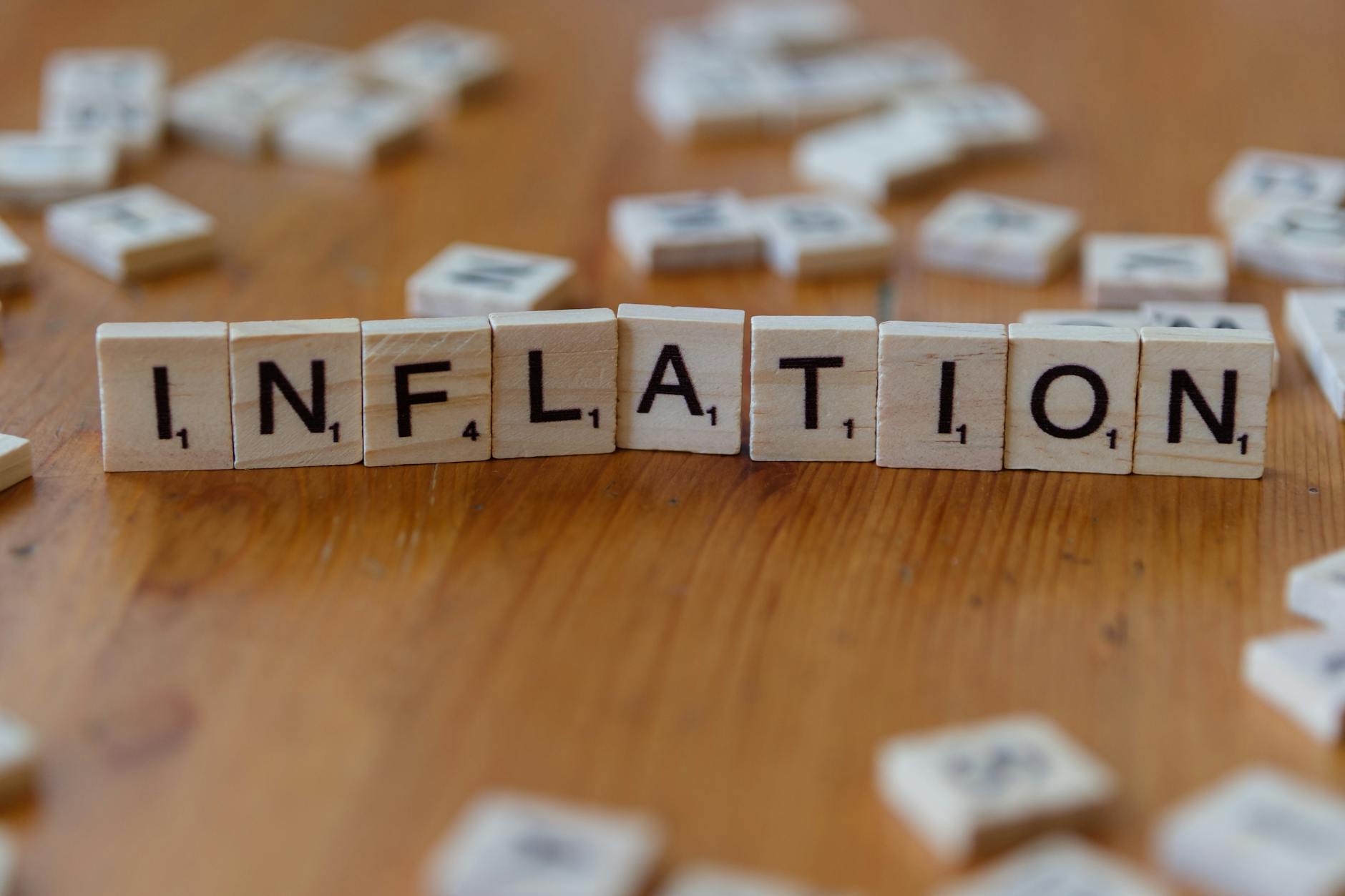
Photo by Markus Winkler on Pexels | Source
What Is Stagflation and Why Does It Matter Right Now?
Stagflation is widely regarded as one of the most difficult economic conditions for policymakers to manage. Unlike a standard recession — where falling demand typically brings prices down — stagflation combines slowing growth with persistent inflation, leaving central banks with few good options. Raising interest rates to fight inflation risks pushing economies deeper into contraction, while cutting rates to stimulate growth risks making inflation worse.
According to Bloomberg, Japan is now facing a mounting stagflation risk as oil prices above $100 combine with a sagging yen to squeeze both consumers and manufacturers. Japan imports virtually all of its oil, making it acutely vulnerable to price spikes. With inflation already elevated and economic growth sluggish, the Bank of Japan faces a particularly difficult policy dilemma in the weeks ahead.
In the United States, the stagflation warning signs are also flashing. According to AP News, Trump's so-called "roaring" economy has met a rough start to 2026, with the latest economic numbers showing signs of strain. Dow futures tumbled nearly 600 points in a single session, according to CNBC, as oil crossed the $100 threshold and investor anxiety mounted.
How the Iran War Is Driving the Oil Spike
The proximate cause of the oil surge is the escalating U.S.-Iran conflict, which has disrupted shipping lanes, rattled energy markets, and pushed traders toward risk-off positions. According to AP News, the Iran war is already sending shockwaves through African fuel markets and economies — regions that were already dealing with dollar shortages and currency depreciation. Many African nations import a significant share of their fuel from Middle Eastern suppliers, and price spikes of this magnitude threaten to exacerbate existing economic hardships.
The conflict has also claimed military lives. According to CNN, a seventh U.S. service member has been killed in the Iran war after being wounded in an attack in Saudi Arabia, underscoring that the conflict continues to escalate rather than de-escalate. The human and geopolitical costs of the war are increasingly inseparable from its economic consequences.
Adding further complexity to the situation, Reuters reports that India's foreign minister has defended his country's decision to allow an Iranian ship to dock, calling it "the right thing to do." India, one of the world's largest oil importers, has been navigating a careful diplomatic path between its Western partners and its own energy needs — a balancing act that becomes harder as oil prices rise and sanctions pressure intensifies.

Photo by Tima Miroshnichenko on Pexels | Source
South Korea and Global Stock Markets Take a Hit
The financial pain is not limited to energy-importing nations in the developing world. According to Bloomberg, South Korean stocks have plunged as the oil spike worsens the country's economic outlook. South Korea, which is heavily dependent on imported energy and exports high-value manufactured goods, faces a dual squeeze: higher input costs on one side and potentially weaker demand from trading partners on the other.
The broader market picture is similarly grim. According to CNBC's live updates, Dow futures fell by nearly 600 points in a single pre-market session as oil topped $100 a barrel — and the situation has since deteriorated further, with crude now trading above $110. Stagflation fears, analysts note, are being priced into equities across virtually every major sector.
- Energy stocks are the notable exception, with Wall Street analysts pointing to select oil and gas companies as beneficiaries of the price surge, according to TipRanks.
- Consumer discretionary stocks are among the hardest hit, as higher fuel costs erode household spending power.
- Transportation and airline stocks are also under pressure, given that jet fuel costs represent a major operating expense.
- Emerging market currencies are weakening against the dollar as investors seek safe-haven assets.
China's Consumer Prices and the Global Inflation Feedback Loop
Even China, which has its own complex relationship with Iranian oil, is feeling the pressure. According to the Financial Times, China's consumer prices have been buoyed by the oil surge and the Lunar New Year period. While the Lunar New Year traditionally lifts consumption and prices, analysts note that the oil-driven component of current Chinese inflation is structurally different — and potentially more persistent — than seasonal effects.
China's role in the global economy means that inflationary pressures there do not stay contained within its borders. Higher production costs in Chinese factories feed into the prices of goods exported to the rest of the world, potentially adding yet another layer to global inflationary dynamics at a time when central banks in the U.S., Europe, and Asia are already under pressure.

Photo by Thomas McKinnon on Unsplash | Source
What This Means for U.S. Consumers and Investors
For American households, the most immediate impact of oil above $110 per barrel is at the gas pump. Although national average gasoline prices vary by region, crude oil at these levels historically translates to retail gasoline prices well above $4 per gallon in most U.S. markets. Combined with broader inflationary pressures on food and housing, higher energy costs are likely to further strain household budgets that have already been under pressure throughout 2025 and into 2026.
For investors, the picture is nuanced. According to TipRanks, Wall Street analysts are recommending select energy stocks as potential beneficiaries of the sustained high oil prices. However, the broader market risk from stagflation — which could compress corporate earnings across multiple sectors simultaneously — means that simply rotating into energy is not a risk-free strategy.
According to AP News, the latest U.S. economic data has shown that even before the most recent oil spike, growth was already showing signs of softening. If crude prices remain elevated for an extended period, economists warn that the Federal Reserve could find itself in the same uncomfortable position that plagued central bankers during the stagflation of the 1970s: forced to choose between fighting inflation and protecting growth, with no easy path forward.
Key Takeaways for Readers
- Oil above $110 is the highest level since the pandemic, driven primarily by the U.S.-Iran war and supply disruptions.
- Stagflation risk is rising in Japan, South Korea, the U.S., and several African economies, according to multiple reports.
- Stock markets are under significant pressure, with the Dow futures dropping nearly 600 points in a single session, per CNBC.
- China's consumer prices are rising, potentially adding to global inflationary pressures, according to the Financial Times.
- Energy stocks are among the few market segments where Wall Street analysts see opportunity in the current environment, per TipRanks.
- Diplomatic tensions around the Iran war show no sign of de-escalating, with India defending its decision to allow an Iranian ship to dock, per Reuters.
The coming weeks will be critical in determining whether oil prices stabilize or continue to climb — and whether the global economy can absorb this shock without tipping into a full-blown stagflationary cycle. Analysts and policymakers alike will be watching the next round of central bank communications closely for any signal of how governments intend to respond.
Frequently Asked Questions
What is causing oil prices to spike above $110 in 2026?
The primary driver is the ongoing U.S.-Iran conflict, which has disrupted Middle Eastern oil supplies and rattled global energy markets. Geopolitical uncertainty around the war has pushed traders to price in a significant risk premium on crude oil.
What does stagflation mean for everyday consumers?
Stagflation means prices for goods and services — including gasoline, groceries, and utilities — continue to rise while economic growth slows and job creation weakens. For consumers, this translates to a shrinking purchasing power with fewer economic opportunities to offset the loss.
Which countries are most at risk from the oil price spike?
Japan, South Korea, and many African nations are considered among the most vulnerable, as they are heavily dependent on imported energy and are already dealing with currency weakness or slowing growth. Bloomberg and AP News have both highlighted these regions as facing heightened economic risk.
How are U.S. stock markets reacting to oil above $100?
U.S. stock markets have reacted negatively, with Dow futures dropping nearly 600 points in a single session as oil crossed $100, according to CNBC. Energy stocks are a notable exception, with some Wall Street analysts recommending select oil and gas companies as beneficiaries.
Could the Federal Reserve raise interest rates in response to higher oil prices?
The Fed faces a difficult choice: raising rates to fight oil-driven inflation risks slowing an already weakening economy, while holding rates steady risks allowing inflation to become entrenched. Analysts warn this mirrors the stagflation dilemma central banks faced in the 1970s.


