

Iranian Strikes on Gulf Energy Infrastructure Send Shockwaves Through Global Markets
In one of the most consequential escalations of the ongoing U.S.-Iran conflict, Iranian forces have struck energy sites in Qatar and Saudi Arabia, according to reporting by The New York Times. The attacks, which targeted critical oil and gas infrastructure in two of the world's most important energy-producing nations, have sent commodity prices surging and triggered fresh alarm among economists, energy analysts, and everyday consumers alike. The ripple effects are already being felt far beyond the Middle East — from Wall Street trading floors to American mortgage markets.
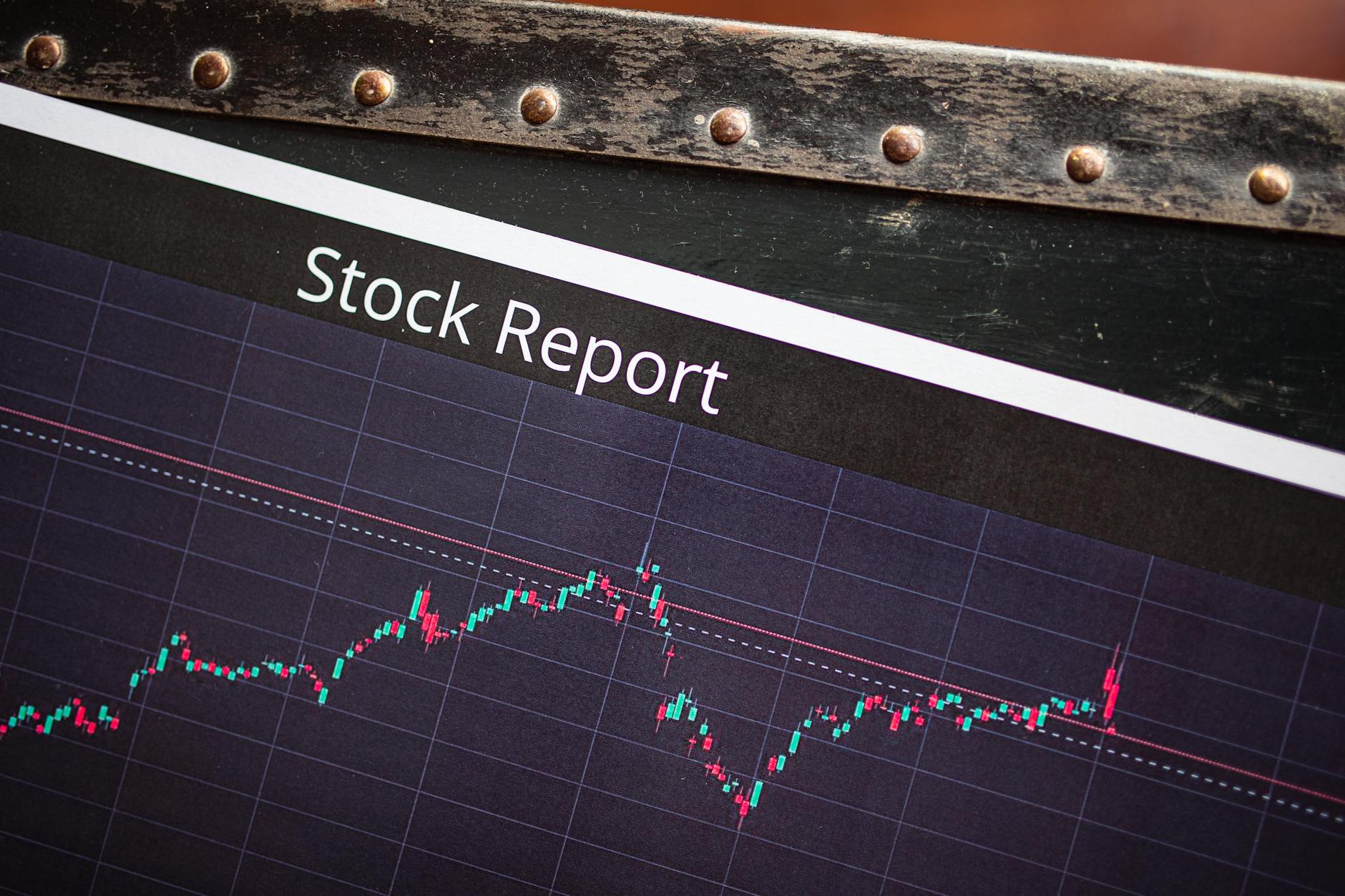
Photo by RDNE Stock project on Pexels | Source
According to The Washington Post, oil prices have soared amid growing fears of a sustained war in Iran. Brent crude and West Texas Intermediate (WTI) futures spiked sharply following news of the strikes, as traders priced in the risk of prolonged disruptions to Gulf energy supplies. Qatar is one of the world's top exporters of liquefied natural gas (LNG), while Saudi Arabia remains the single largest contributor to global crude oil output. Even partial or temporary disruptions to infrastructure in either country carry enormous consequences for energy markets worldwide.
The timing of the Iranian strikes has added significant complexity to an already volatile geopolitical situation. According to Bloomberg, the UAE and Qatar had been quietly urging allied nations to help U.S. President Donald Trump find a diplomatic off-ramp from the conflict — making Qatar's simultaneous position as both a mediator and a strike target a particularly fraught development. Diplomats and regional analysts described the situation as deeply unstable, with no clear path toward de-escalation currently visible.
Oil Price Surge Threatens Broader Economic Stability
The immediate market reaction has been severe. According to CNBC's live market updates, the S&P 500 closed roughly flat on the day, managing to rebound from intraday lows as some traders moved to buy the dip — but the session underscored just how tense financial markets have become. Energy stocks surged, while airlines, consumer discretionary companies, and other oil-sensitive sectors faced renewed selling pressure.

Photo by Oleksiy Konstantinidi,🌻🇺🇦🌻 on Pexels | Source
The consequences for ordinary Americans are beginning to crystallize. According to Yahoo Finance, mortgage rates have jumped back above 6% as the Iranian strikes stoke fresh inflation fears. This is a significant development for would-be homebuyers and homeowners looking to refinance, as rates had recently shown signs of stabilizing. Analysts quoted by Axios warned earlier this week that the Iran conflict could worsen America's affordability crisis — and the latest data on mortgage rates appears to be confirming that fear in real time.
Here is a summary of the key economic pressure points identified by financial analysts and media reports over the past 72 hours:
- Oil prices have surged on fears of sustained supply disruptions from the Gulf region
- Mortgage rates have climbed back above 6%, squeezing housing affordability
- Inflation expectations are rising as energy costs feed into transportation, food, and manufacturing
- S&P 500 volatility has increased, though dip-buyers provided some floor for equities
- LNG supply risks from Qatar are putting pressure on European energy markets still recovering from prior supply shocks
- Berkshire Hathaway stock slid this week after reporting a 30% drop in operating earnings, according to the Wall Street Journal, adding to investor unease
According to Reuters, the broader investment community is also navigating fresh uncertainty. A BlackRock and EQT-led group sealed a $33.4 billion deal to acquire AES Corporation, betting on the AI-driven power boom — but that deal was agreed before the latest escalation in Gulf energy infrastructure attacks, and analysts are now reassessing whether the underlying energy economics have shifted materially.
What the Qatar and Saudi Strikes Mean for Global Energy Supply
Qatar's role as a top LNG exporter makes it uniquely important in the current context. European nations, which have spent the past several years diversifying away from Russian natural gas, have increasingly relied on Qatari LNG imports. Any prolonged disruption to Qatari export capacity would force buyers to seek alternative supplies — likely at significantly higher prices — and could reignite the kind of energy price shock that drove inflation across the continent earlier this decade.
Saudi Arabia's oil infrastructure, meanwhile, has been targeted before. The 2019 Abqaiq drone strikes temporarily knocked out roughly 5% of global oil supply and caused a sharp, though brief, spike in crude prices. The current situation is viewed by many analysts as potentially more severe, given that the strikes are occurring within the context of an active and ongoing military conflict rather than an isolated incident.
Key facts about the affected energy infrastructure, according to reports:
- Qatar is among the world's top three LNG exporters, supplying critical energy to Asia and Europe
- Saudi Arabia produces approximately 9-10 million barrels of crude oil per day
- The Gulf Cooperation Council (GCC) region collectively accounts for a substantial share of global seaborne oil trade
- The Strait of Hormuz — through which a significant portion of the world's oil passes — remains a critical and potentially vulnerable chokepoint

Photo by Jakub Zerdzicki on Pexels | Source
Diplomatic Efforts and the Search for an Off-Ramp
According to Bloomberg, both the UAE and Qatar have been actively lobbying allied governments to help President Trump identify a path toward ending or pausing the military campaign. The Financial Times has also reported on internal discussions within the Trump administration regarding strategy — including, according to that reporting, highly sensitive planning around Iranian leadership figures.
President Trump has publicly stated that the military campaign could last approximately five weeks, according to CBS News, though analysts quoted across multiple outlets have questioned whether a clearly defined end state exists. The Washington Post described the administration as pursuing an aggressive strategy without a fully articulated plan for the post-conflict political order in Iran.
The strikes on Qatar and Saudi energy infrastructure complicate the diplomatic picture further. Qatar, which hosts a major U.S. military base and has historically served as a back-channel negotiating partner in Middle East conflicts, now finds itself directly caught in the crossfire — a position that constrains its ability to play a mediating role even as it is being urged to do so.
For consumers, investors, and policymakers watching from outside the region, the central question has become whether the conflict will remain bounded or whether the strikes on Gulf energy infrastructure represent a new and more dangerous phase. According to multiple financial analysts cited in media reports this week, markets are currently pricing in a scenario of elevated but manageable disruption — but that calculus could shift rapidly if infrastructure damage proves more extensive than initially reported or if additional retaliatory strikes follow.
As of this writing, the situation remains fluid. Energy markets, diplomatic channels, and military operations are all in motion simultaneously, and the pace of developments over the coming days is expected to be decisive in determining whether the conflict moves toward containment or further escalation.
FAQ
What energy infrastructure did Iran strike in Qatar and Saudi Arabia? According to The New York Times, Iranian forces struck oil and gas sites in both Qatar and Saudi Arabia. The full extent of infrastructure damage has not yet been confirmed, but the strikes have raised serious concerns about supply disruptions.
Why are mortgage rates rising due to the Iran conflict? According to Yahoo Finance, mortgage rates have jumped back above 6% because the Iranian strikes are fueling fresh inflation fears. When oil prices surge, transportation and production costs rise across the economy, pushing inflation expectations higher and forcing mortgage rates up alongside them.
How are oil prices responding to the Iran-Gulf strikes? According to The Washington Post, oil prices have soared amid fears of a sustained war. Traders are pricing in the risk of prolonged disruptions to Gulf energy supplies, particularly from Qatar's LNG exports and Saudi Arabia's crude oil production.
Is Qatar still trying to mediate the U.S.-Iran conflict despite being attacked? According to Bloomberg, both Qatar and the UAE had been urging allies to help Trump find a diplomatic off-ramp from the conflict. The strikes on Qatari energy sites complicate that role significantly, though diplomatic efforts are reportedly continuing.
What does the Gulf energy disruption mean for European gas supplies? Europe has become increasingly dependent on Qatari LNG exports following its pivot away from Russian natural gas. Any sustained disruption to Qatari export capacity would force European buyers to seek alternative supplies, likely at considerably higher prices, according to energy market analysts.
Frequently Asked Questions
What energy infrastructure did Iran strike in Qatar and Saudi Arabia?
According to The New York Times, Iranian forces struck oil and gas sites in both Qatar and Saudi Arabia. The full extent of infrastructure damage has not yet been confirmed, but the strikes have raised serious concerns about supply disruptions to global energy markets.
Why are mortgage rates rising due to the Iran conflict?
According to Yahoo Finance, mortgage rates have jumped back above 6% because the Iranian strikes are fueling fresh inflation fears. When oil prices surge, transportation and production costs rise across the economy, pushing inflation expectations higher and forcing mortgage rates up alongside them.
How are oil prices responding to the Iran-Gulf strikes?
According to The Washington Post, oil prices have soared amid fears of a sustained war in Iran. Traders are pricing in the risk of prolonged disruptions to Gulf energy supplies, particularly from Qatar's LNG exports and Saudi Arabia's crude oil production capacity.
Is Qatar still trying to mediate the U.S.-Iran conflict despite being attacked?
According to Bloomberg, both Qatar and the UAE had been urging allies to help Trump find a diplomatic off-ramp from the conflict prior to the strikes. The attacks on Qatari energy sites significantly complicate that mediating role, though diplomatic efforts are reportedly continuing.
What does the Gulf energy disruption mean for European gas supplies?
Europe has become increasingly dependent on Qatari LNG exports following its pivot away from Russian natural gas. Any sustained disruption to Qatari export capacity would force European buyers to seek alternative supplies at considerably higher prices, according to energy market analysts.


