
Global Energy Prices Soar as Iran Crisis Disrupts Shipping and Production
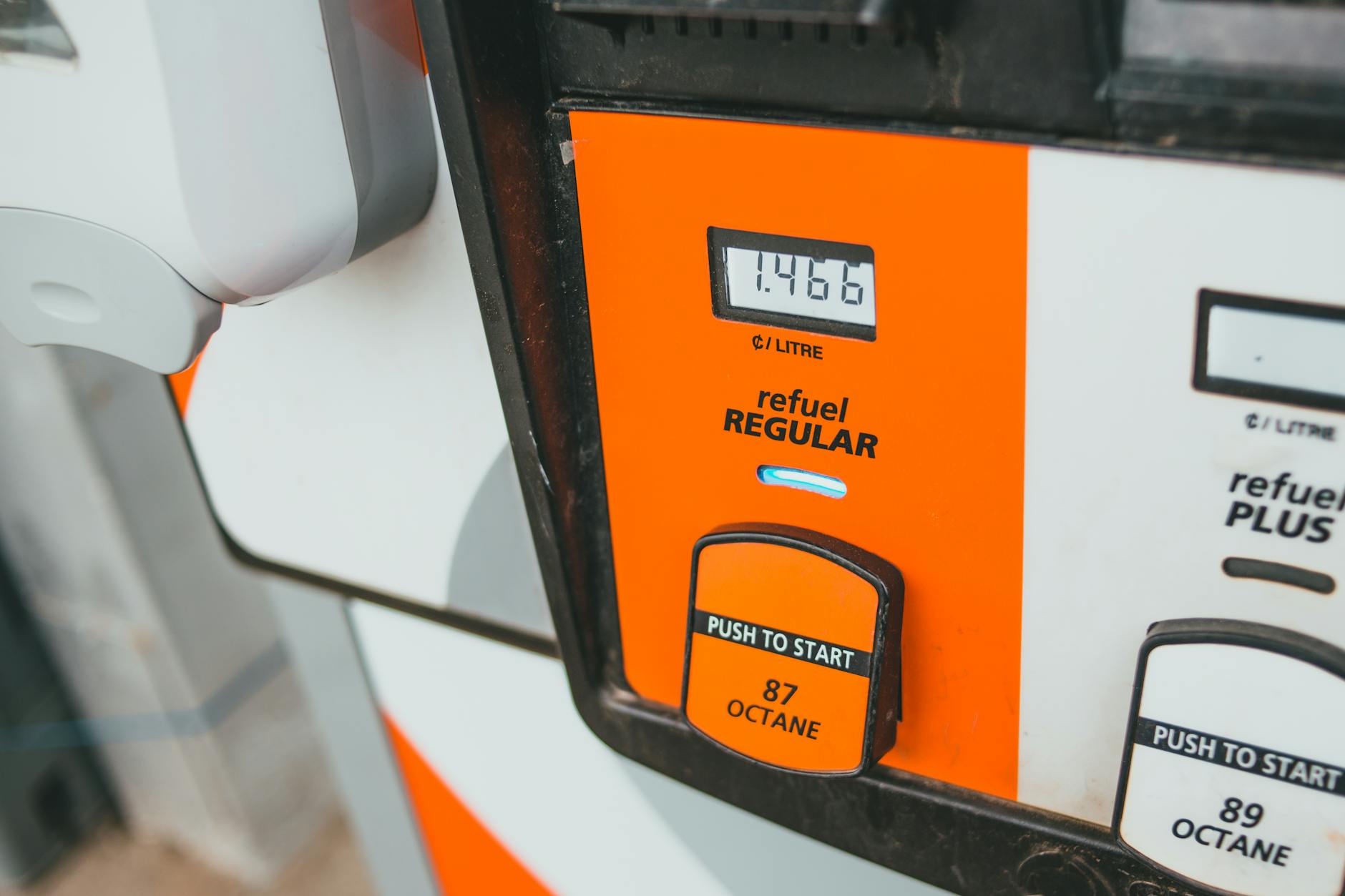
Global energy markets are in turmoil this week as the ongoing conflict involving Iran continues to send shockwaves through oil and gas supply chains worldwide. According to Reuters, global energy prices have soared dramatically as the Iran crisis disrupts both shipping routes and oil and gas production — leaving consumers at the pump feeling the pinch almost immediately.
According to AP News reporting from the past 72 hours, the price of a gallon of gas spiked overnight across the United States, while drivers overseas have been rushing to fill their tanks in anticipation of further price increases. The sudden jump caught many Americans off guard, and analysts say the situation is unlikely to stabilize quickly given the complexity of the regional conflict.
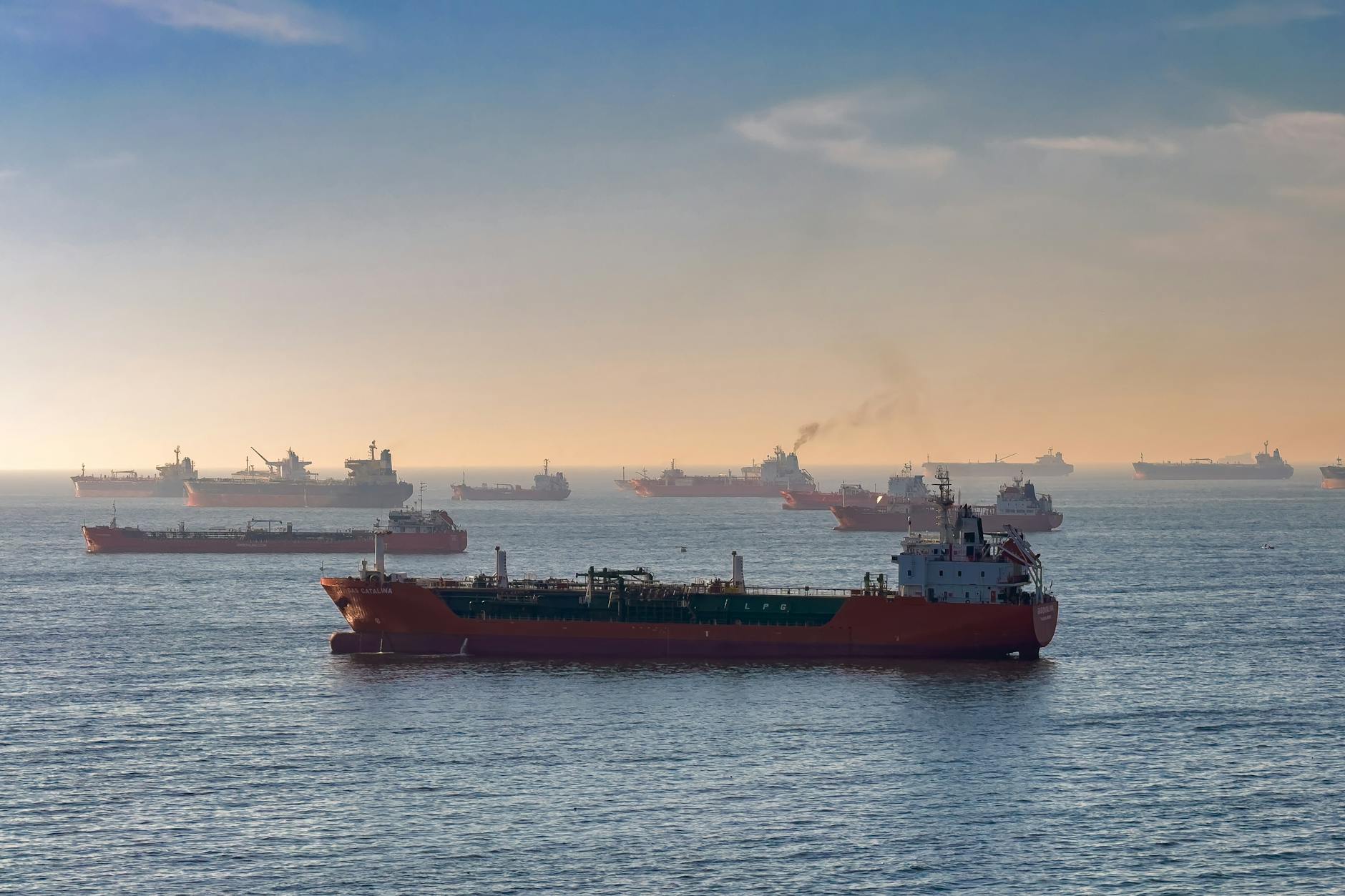
Photo by İrfan Simsar on Pexels | Source
Why Is This Happening Now? The Strait of Hormuz Factor
At the heart of the energy price surge is the Strait of Hormuz, one of the world's most critical shipping chokepoints through which roughly 20% of global oil trade passes each day. The Guardian reported this week that China has formally called for vessels in the Strait of Hormuz to be protected amid soaring shipping costs — a signal of just how broadly the disruption is being felt across the global economy.
Simultaneously, according to Politico, the United States is actively considering military support for Middle East oil and gas supplies in order to safeguard the flow of energy resources. This development underscores how seriously the Biden-era energy security playbook has been revisited, with the Trump administration now weighing direct intervention to protect supply lines.
Key factors driving the current energy price spike include:
- Disrupted Strait of Hormuz shipping routes affecting tanker movements
- Israeli airstrikes on Tehran escalating regional instability, per AP News
- Iran widening its regional response, creating uncertainty for producers and traders
- Drone strikes on Amazon's Middle East data centers, according to CBS News, signaling infrastructure vulnerability that spooks energy investors
- Soaring insurance premiums for tankers transiting the region, adding costs passed to consumers

Photo by energepic.com on Pexels | Source
Dow Jones Volatile, Markets Rattled
The energy crisis has not stayed contained to the gas pump. According to CNBC's live market updates this week, the Dow Jones Industrial Average fell 400 points in another volatile session tied to the Iran conflict — and at its intraday low, the index was down a staggering 1,200 points before partially recovering. This level of volatility reflects deep investor anxiety about what a prolonged energy supply disruption could mean for corporate earnings and economic growth broadly.
JPMorgan's CEO Jamie Dimon weighed in, warning MarketWatch of a "skunk" in the room — his term for an underappreciated risk that could derail financial markets. Dimon's comments, made this week, are being widely interpreted as a reference to the cascading economic consequences of sustained energy price inflation driven by geopolitical instability.
At the same time, according to The New York Times, President Trump is betting that what his administration calls "Energy Dominance" — ramping up domestic U.S. oil and gas production — will make the cost of military involvement in the Iran conflict more economically bearable. The strategy involves leaning on expanded domestic output to offset global supply shocks, though economists have noted that domestic production timelines do not match the immediacy of the current price spike.
What Does This Mean for Everyday Consumers?
For ordinary Americans and global consumers, the consequences are tangible and immediate. According to AP News, gas prices rose sharply overnight in multiple U.S. markets — a pace of increase that is unusual and reflects the acute nature of the supply shock. Overseas, drivers in Europe and Asia have similarly been rushing to fill tanks, according to the same report.
Here is what consumers and households can expect in the near term, based on current reporting:
- Higher gas prices at the pump for at least the foreseeable future, with no clear timeline for relief
- Rising utility costs as natural gas prices follow crude oil upward
- More expensive air travel, as jet fuel costs spike and airlines adjust fares
- Upstream inflation pressure on goods that rely on trucking and freight, potentially broadening price increases beyond energy itself
- Tighter household budgets particularly for lower-income Americans who spend a disproportionate share of income on fuel

Photo by Tom Fisk on Pexels | Source
The Geopolitical Backdrop: Escalation Shows No Sign of Stopping
Understanding the current energy crisis requires understanding the geopolitical backdrop that is driving it. According to AP News, Israel has stepped up airstrikes in Tehran this week, while Iran has widened its response across the broader region. The Washington Post has also reported on how Trump assassination attempts played into the decision-making around attacking Iran, suggesting the conflict's origins are deeply personal as well as strategic for the current U.S. administration.
Russia, too, is watching closely. According to Kyiv Post, Kremlin propagandists were shocked by military operations over Iran, with some reportedly warning that "Russia will be next" — a sentiment that, while propagandistic in nature, reflects the broader global anxiety about the conflict's potential to expand.
China's call for Hormuz vessel protection, as reported by The Guardian, adds another layer of complexity. Beijing is one of the largest importers of Middle Eastern oil, and any prolonged disruption to Hormuz shipping hits Chinese industry and manufacturing directly — a dynamic that could shape Beijing's diplomatic posture in the weeks ahead.
Trump's 'Energy Dominance' Strategy: Can It Work?
The Trump administration's central argument, as outlined in The New York Times this week, is that aggressive domestic energy production gives the United States economic leverage that prior administrations lacked. By flooding markets with U.S. oil and gas, the theory goes, Washington can blunt the impact of Middle Eastern supply disruptions while simultaneously funding military operations through energy export revenues.
However, energy analysts and market observers have pointed out several limitations to this approach in current reporting:
- Domestic production ramp-ups take months, not days — meaning immediate price relief is unlikely
- Global oil markets are interconnected, so U.S. production alone cannot fully offset a Hormuz disruption
- Strategic Petroleum Reserve releases, a traditional tool for price shocks, have limited capacity after prior drawdowns
- Refinery capacity constraints in the U.S. can bottleneck how quickly more crude translates to cheaper gasoline at the pump
For now, the energy crisis driven by the Iran conflict remains the dominant economic story globally. Whether diplomatic efforts — including China's call for shipping protection — can ease tensions in the Strait of Hormuz will be a critical factor to watch in the coming days.
Blackstone and Private Markets Feel the Squeeze
Beyond the stock market volatility, private financial markets are also showing stress. According to Bloomberg, Blackstone's flagship private credit fund was hit by record redemptions this week — a sign that institutional investors are pulling back and seeking liquidity amid the uncertainty generated by energy price spikes and geopolitical risk. This kind of redemption pressure in private markets is typically a lagging indicator of broader financial system stress and bears watching as the Iran conflict continues to evolve.
For consumers, investors, and policymakers alike, the current moment represents one of the most acute energy-driven economic stress tests in recent years. How the situation in and around Iran resolves — or escalates — will shape energy prices, market stability, and household budgets for months to come.
Frequently Asked Questions
Why are gas prices spiking in 2026?
Gas prices are spiking primarily because the Iran conflict is disrupting oil shipping through the Strait of Hormuz, through which roughly 20% of global oil trade passes. This supply shock is pushing crude oil prices higher, which quickly translates to higher costs at the pump for consumers.
How does the Iran crisis affect global energy prices?
The Iran conflict is disrupting tanker shipping routes, raising insurance premiums for vessels in the region, and creating uncertainty around oil and gas production. According to Reuters, these combined factors have caused global energy prices to soar, with ripple effects felt by consumers and businesses worldwide.
What is the Strait of Hormuz and why does it matter for oil?
The Strait of Hormuz is a narrow waterway between Iran and Oman that serves as the primary exit route for oil exports from major Gulf producers including Saudi Arabia, Iraq, and the UAE. Because roughly 20% of the world's traded oil flows through it, any disruption there has immediate and severe consequences for global energy markets.
What is Trump's energy dominance strategy in the Iran conflict?
According to The New York Times, the Trump administration believes that ramping up domestic U.S. oil and gas production gives America the economic leverage to absorb the costs of military involvement in Iran. However, analysts note that domestic production increases take months to materialize and cannot immediately offset a Strait of Hormuz supply shock.
How long will high gas prices last due to the Iran conflict?
There is currently no clear timeline for when gas prices might stabilize, as the situation in and around Iran remains active and unresolved. Energy analysts note that prices are unlikely to come down significantly until shipping through the Strait of Hormuz resumes at normal levels and regional tensions ease.


