

UAE and Kuwait Begin Oil Output Cuts as Hormuz Blockage Deepens 2026 Energy Crisis
The global energy market received another major shock this week as the United Arab Emirates and Kuwait both announced significant oil output cuts following the blockage of the Strait of Hormuz, according to Bloomberg. The move, coming amid an active U.S.-Iran military conflict now entering its second week, has sent oil prices surging and prompted widespread warnings from economists and energy analysts about a prolonged and potentially historic gas crisis.
According to Reuters, the Iran war now threatens a "prolonged hit to global energy markets" — a concern echoed by MarketWatch, which reported that a spike in oil prices has triggered serious talk of an "economic doomsday scenario" among financial strategists. For ordinary consumers, the compounding effects of reduced supply, a blocked shipping corridor, and active military operations in one of the world's most critical energy regions are already being felt at the pump.

Photo by Tom Fisk on Pexels | Source
Why UAE and Kuwait Are Cutting Output Now
The decision by the UAE and Kuwait to reduce oil production may seem counterintuitive at first glance — when prices rise, producers typically pump more, not less. But according to Bloomberg's reporting, the output cuts are a direct response to the Hormuz blockage, which has made it physically difficult or logistically untenable to export crude oil through the strait that handles roughly 20% of the world's oil supply.
Key facts about the situation, according to available reports:
- The Strait of Hormuz is the world's single most important oil chokepoint, with approximately 17–20 million barrels passing through it daily under normal conditions
- UAE and Kuwait are among the top Gulf oil exporters and rely heavily on the strait for outbound shipments
- The blockage, linked to the ongoing U.S.-Iran conflict, has made normal shipping operations hazardous or impossible for several producers
- Output cuts by these nations further tighten an already strained global supply picture
Analysts quoted by Reuters noted that even a partial, temporary disruption to Hormuz transit can have outsized effects on global energy pricing, given the market's sensitivity to supply expectations. With the conflict showing no immediate signs of resolution — Iran's president issued apologies to Gulf nations this week, according to The Guardian, even as Trump threatened further strikes — the uncertainty premium baked into oil prices is likely to remain elevated.

Photo by fr0ggy5 on Unsplash | Source
How Bad Could This Get? Experts Weigh In
The Times published a stark headline this week asking: "Is this the beginning of the worst gas crisis the world has seen?" That framing reflects a growing sense among energy market watchers that the current situation carries risks beyond previous disruptions, including the 1973 Arab oil embargo and the 1979 Iranian Revolution.
According to MarketWatch, the "economic doomsday scenario" being discussed in financial circles centers on a sustained period of oil above $120–$150 per barrel, which would ripple through virtually every sector of the global economy. Fuel costs for airlines, shipping companies, and manufacturers would spike. Consumer goods prices would follow. Central banks, already navigating a fragile post-pandemic rate environment, would face renewed inflationary pressure.
For American consumers specifically, The New York Times reported this week that Trump aides remain publicly bullish despite rising unemployment and gas prices — signaling that the administration does not anticipate a rapid policy reversal on its Iran military posture. That stance has left energy markets without a clear signal of when the Hormuz situation might normalize.
Key economic concerns flagged by analysts and reports this week include:
- Sustained high oil prices feeding into broader inflation across goods and services
- Shipping disruption costs adding to supply chain pressures globally
- Emerging market vulnerability, as nations that import oil and pay in dollars face a double squeeze from energy costs and currency pressure
- Strategic reserve drawdowns being considered by the U.S. and allied nations to cushion the blow, though reserves are finite
- Airline and freight surcharges already beginning to appear in some markets
The U.S. Navy's Role and Regional Military Posture
Adding to the geopolitical complexity, Forbes reported this week that the U.S. Navy's newest supercarrier transited the Suez Canal and entered the Red Sea — a significant military repositioning that underscores the scale of American naval commitment to the region. The carrier's presence signals that the U.S. is prepared for sustained operations, which energy markets are interpreting as a sign that the conflict may not be short-lived.
Meanwhile, a U.S. intelligence report cited by The Washington Post warned that a large-scale war is "unlikely" to oust Iran's regime, suggesting that even an extended military campaign may not produce the regime-change outcome that would fundamentally alter the energy market equation. That assessment, if accurate, means the market disruption could persist for months rather than weeks.
The combination of active U.S. military operations, Gulf producers cutting output, and no clear diplomatic off-ramp has created what Reuters describes as a situation of deep uncertainty for energy traders and corporate planners alike.
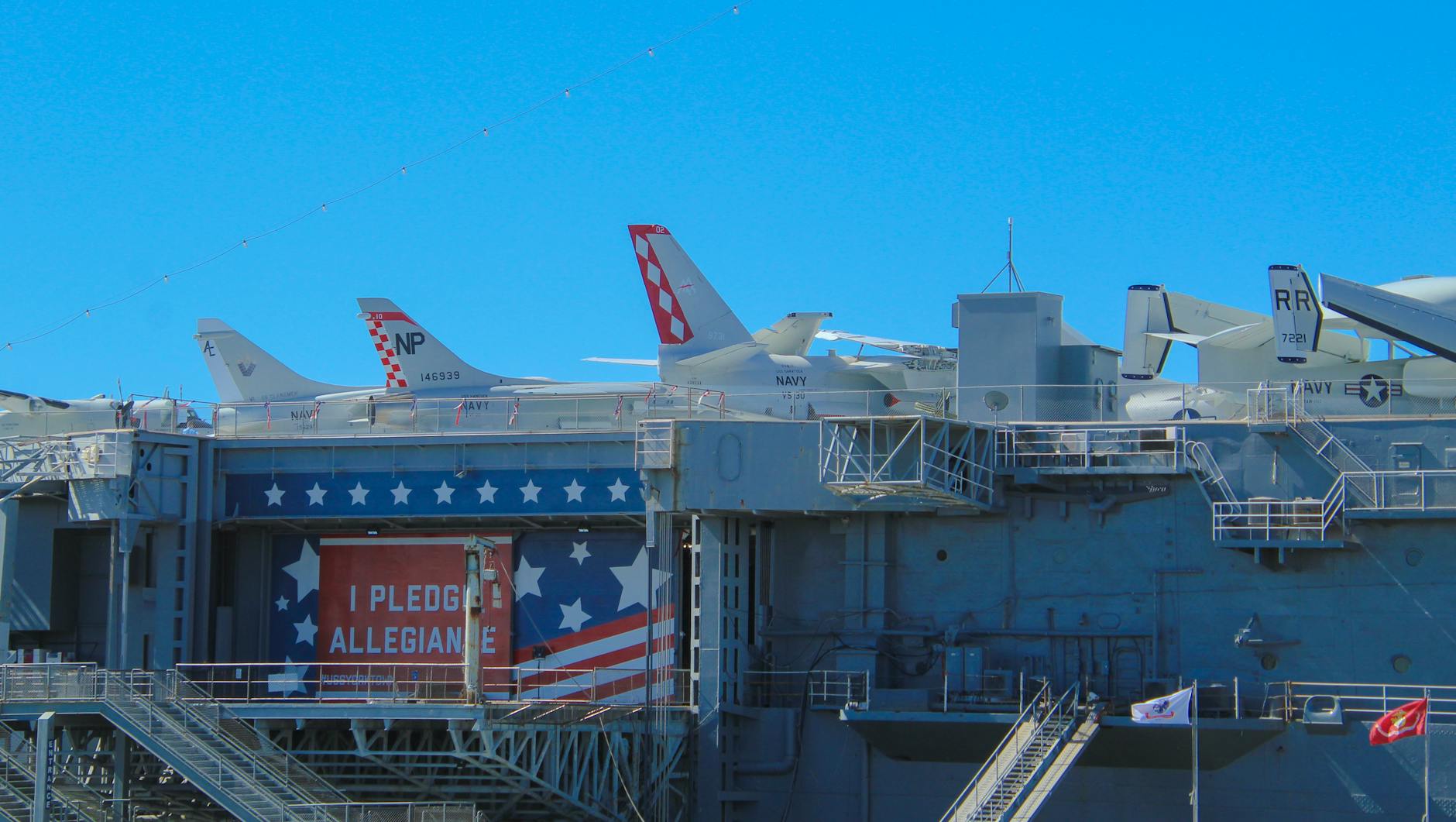
Photo by Karen F on Pexels | Source
What This Means for Consumers and Businesses in 2026
For everyday consumers, the immediate impact is straightforward: gas prices are rising, and the upward pressure shows no signs of abating in the near term. According to The New York Times, the administration acknowledges rising gas prices but maintains its current course, leaving households to absorb costs that were already elevated following the February jobs report that showed significant employment losses.
For businesses, particularly those in logistics, agriculture, manufacturing, and aviation, the energy price spike represents a significant margin threat. Companies that hedged their fuel costs earlier in 2026 are in a stronger position; those that did not are facing difficult decisions about pricing, operations, and staffing.
For investors, Reuters and MarketWatch coverage suggests that energy sector equities are among the few areas seeing upward momentum in an otherwise turbulent market. However, analysts caution that the situation remains highly fluid and that a sudden diplomatic resolution — however unlikely it appears today — could reverse those gains quickly.
What consumers and businesses can realistically expect in the coming days, based on current reporting:
- Further gas price increases at the pump if output cuts deepen or Hormuz remains partially blocked
- Elevated airline ticket prices as carriers pass on jet fuel costs
- Possible government intervention, including strategic petroleum reserve releases, which the U.S. has used in past energy crises
- Continued market volatility in oil futures, with prices sensitive to any military or diplomatic developments
- Broader inflationary pressure feeding into consumer price data in coming months
The Bigger Picture: A Structural Moment for Energy Markets
Beyond the immediate crisis, energy analysts are beginning to ask whether the 2026 Hormuz disruption will accelerate longer-term structural shifts in global energy. Previous crises — 1973, 1979, the Gulf War of 1991 — each produced lasting changes in how nations approached energy security, from strategic reserve policy to renewable energy investment.
According to Reuters, the current disruption is already prompting conversations among energy-importing nations about diversification, alternative supply routes, and the pace of transition to non-fossil energy sources. Whether those conversations translate into policy action will depend heavily on how long the current crisis lasts and how severe the economic pain becomes.
For now, the immediate reality is clear: the UAE and Kuwait output cuts, layered on top of a blocked Hormuz strait and an active military conflict, have created one of the most consequential energy market disruptions in recent memory — and its full economic effects are still unfolding.
Frequently Asked Questions
Why are UAE and Kuwait cutting oil output in 2026?
According to Bloomberg, UAE and Kuwait are cutting oil output because the Strait of Hormuz blockage — linked to the ongoing U.S.-Iran conflict — has made it difficult or impossible to export crude oil through the strait normally. The cuts reflect logistical and security constraints on their export operations rather than a voluntary market decision.
How does the Strait of Hormuz blockage affect gas prices?
The Strait of Hormuz handles roughly 20% of the world's daily oil supply. When it is blocked or disrupted, global oil supply tightens significantly, pushing prices higher. Those higher crude oil prices translate directly into higher gasoline and diesel prices for consumers worldwide, typically within days to weeks.
Is this the worst oil crisis in history?
According to The Times and MarketWatch reporting this week, some analysts believe the current situation has the potential to rival or exceed previous historic oil crises if the Hormuz disruption is prolonged. However, the full severity will depend on how long the U.S.-Iran conflict continues and whether diplomatic solutions emerge.
What is the U.S. government doing about rising gas prices in 2026?
According to The New York Times, Trump administration aides remain publicly optimistic despite rising gas prices and unemployment, and have not signaled a change in military posture toward Iran. Strategic petroleum reserve releases are among the tools the government could use, though no announcement has been reported as of this week.
How long could the oil price spike last?
According to Reuters, the Iran war threatens a 'prolonged hit' to global energy markets, and a U.S. intelligence report cited by The Washington Post suggests that military pressure is unlikely to quickly topple Iran's regime. This means the energy market disruption could persist for months, though the situation remains highly fluid.


