

Oil Prices Hit $90+ in 2026: How to Protect Your Finances Now
If you've filled up your gas tank recently or checked your energy bills, you've probably felt it already — something is wrong. Oil prices have blown past the $90-per-barrel mark, reaching levels not seen in roughly two years, and experts are warning this may just be the beginning. With Qatar issuing alarming warnings that all Gulf oil production could stop within days and the Iran conflict showing no signs of cooling, the ripple effects are landing hard on everyday Americans and global markets alike.
So what does this actually mean for your wallet — and more importantly, what can you do about it right now?

Photo by www.kaboompics.com on Pexels | Source
What's Driving Oil Above $90?
Let's break down the factors sending oil prices to a two-year high, because understanding the "why" helps you plan smarter.
The Iran conflict is the biggest driver. The ongoing U.S.-Iran military situation has rattled global energy markets. Iran sits at a strategically critical position near the Strait of Hormuz — a narrow chokepoint through which roughly 20% of the world's traded oil passes. Any serious disruption there sends shockwaves through every oil-dependent economy on the planet.
Qatar's warning has investors spooked. Qatar, one of the world's leading liquefied natural gas exporters, has warned that all Gulf production could be at risk. When a country that significant raises that level of alarm, commodity traders don't wait around to see if it's true — they price in worst-case scenarios immediately.
The Trump administration's $20 billion reinsurance program for oil tankers operating during the Iran conflict signals that the U.S. government itself is preparing for prolonged disruption. When Washington starts writing $20 billion insurance policies on shipping vessels, you know this isn't a short-term blip.
The timing couldn't be worse. This energy shock is landing on top of an already fragile jobs market — the U.S. unexpectedly shed 92,000 jobs in the latest report, unemployment is rising, and consumer confidence was already shaky. High oil prices combined with rising unemployment is a recipe economists have a name for: stagflation.
How Rising Oil Prices Affect You Directly
You might be thinking, "I don't work in oil — why should I care?" Here's why oil prices touch almost every part of your financial life:
- Gas prices — The most obvious impact. Expect prices at the pump to climb further in the weeks ahead.
- Airfare — United Airlines CEO Scott Kirby has already flagged that higher airfare is coming due to the fuel price spike. If you have travel planned, book sooner rather than later.
- Groceries and consumer goods — Virtually everything you buy gets transported by trucks, ships, or planes. When fuel costs spike, those costs get passed along to you.
- Utility bills — Natural gas and electricity prices are closely correlated with oil markets. Expect heating and cooling costs to creep up.
- Inflation broadly — The Guardian has already reported that the Iran war-driven oil surge is threatening a rise in global inflation. Central banks that were hoping to cut rates this year may be forced to hold or even hike.
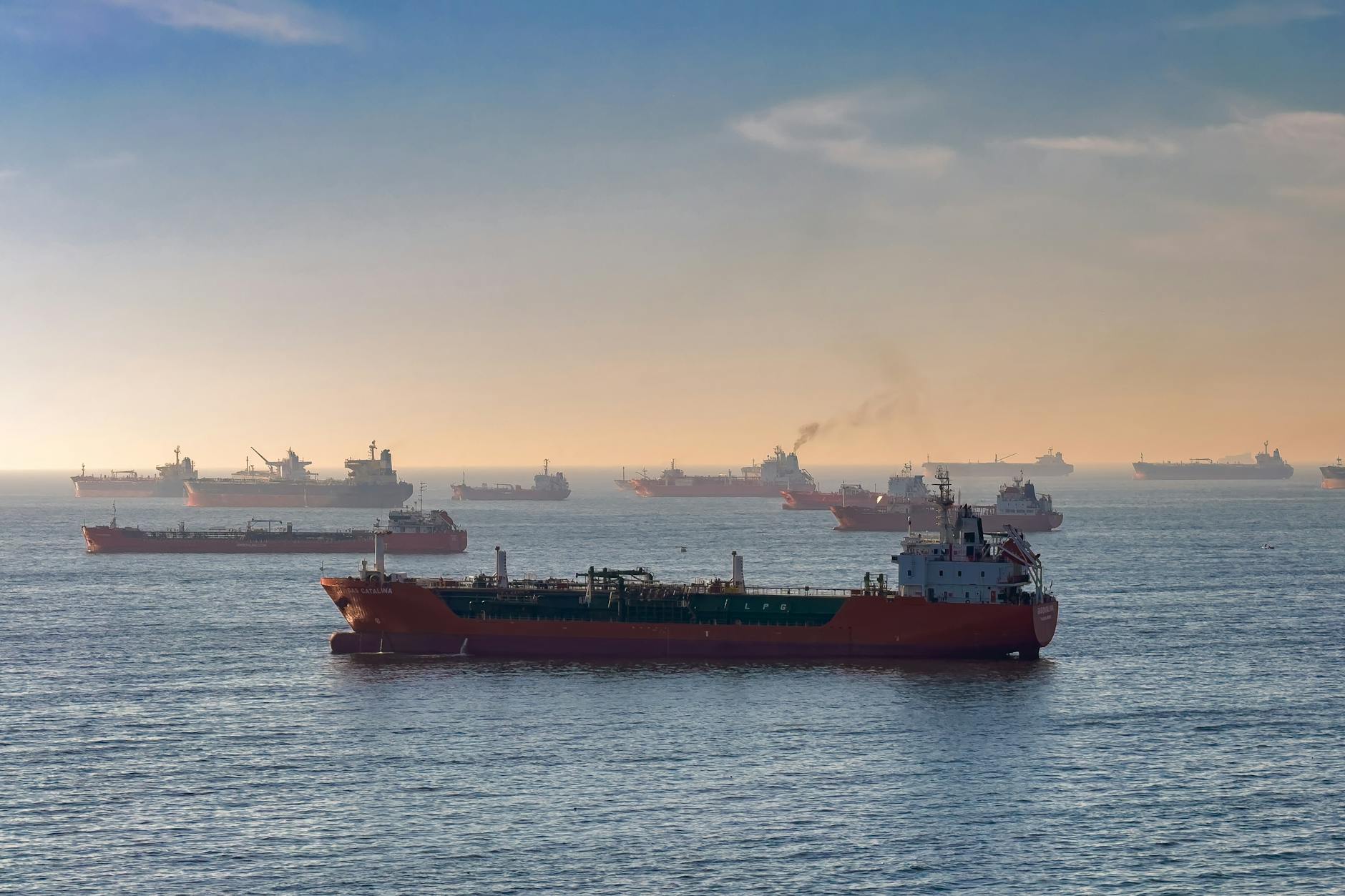
Photo by İrfan Simsar on Pexels | Source
7 Practical Steps to Protect Your Finances Right Now
Here's what you can actually do — starting today — to cushion the blow.
1. Lock In Travel Now
If you have flights, cruises, or road trips planned for spring or summer 2026, book them immediately. Airfares almost always lag fuel price increases by a few weeks. That window is closing fast.
2. Revisit Your Budget for Energy Costs
Pull up last month's gas and utility bills and assume they could rise 15–25% over the next 60–90 days. Build that buffer into your monthly budget now so you're not scrambling later.
3. Consider an Energy ETF as a Hedge
This is not investment advice, but it's worth knowing that energy sector ETFs — funds that hold stocks like ExxonMobil, Chevron, and Shell — tend to rise when oil prices rise. If your portfolio has no energy exposure, now is a reasonable time to discuss that gap with a financial advisor. Many energy ETFs saw significant gains during previous oil spikes.
4. Delay Big Purchases That Depend on Shipping
Major appliances, furniture, electronics — many of these are imported and their prices will likely edge higher as shipping costs increase. If you can wait on a major purchase, doing so until the conflict stabilizes may save you money.
5. Fill Up Your Gas Tank Strategically
Use apps like GasBuddy to find the cheapest stations near you. Consider filling up mid-week (Tuesday and Wednesday typically see lower prices) and in the morning when temperatures are cooler and fuel is denser.
6. Check Your Emergency Fund
Economists are increasingly using the word "stagflation" — a scenario where prices rise but economic growth stalls or reverses. The U.S. already lost 92,000 jobs last month. This is precisely when having 3–6 months of living expenses in a high-yield savings account matters most.
7. Refinance Variable-Rate Debt If You Can
If inflation forces central banks to keep rates elevated longer, variable-rate credit cards, HELOCs, and adjustable-rate mortgages could become more painful. Explore locking in fixed rates now while you still have options.

Photo by Zbynek Burival on Unsplash | Source
What Experts Are Watching Next
The key variables that will determine whether $90 oil becomes a ceiling or a floor:
- Strait of Hormuz status — Any blockade or significant attack on shipping in this narrow waterway would send prices to $100+ immediately.
- OPEC+ response — Member countries could theoretically increase production to offset disruptions, but political alignment inside OPEC+ has been shaky in recent years.
- U.S.-Iran diplomatic developments — Any serious diplomatic signal — even an informal channel opening — would likely push oil prices down sharply. Markets are always looking for off-ramps.
- Consumer demand destruction — Ironically, if prices rise high enough, demand falls (people drive less, airlines cut routes), which can eventually bring prices back down. This process is painful but real.
The honest assessment from most energy analysts right now is: the near-term risk is tilted to the upside for oil prices. That means you should plan for $95–$100 per barrel as a realistic near-term scenario, not an extreme one.
The Silver Lining (Yes, There Is One)
Here's the thing about energy shocks: they tend to accelerate the trends that were already underway. EV adoption, solar panel installations, and heat pump purchases all spiked after the 2022 Russian invasion of Ukraine sent energy prices soaring. The same dynamic could play out now.
If you've been on the fence about an electric vehicle, a home solar system, or even just switching to a more fuel-efficient car, the math just got more compelling. These aren't just environmental choices anymore — in a $90+ oil world, they're increasingly smart financial decisions.
The bottom line: this oil price surge is real, it's affecting your daily life, and it may not resolve quickly. But with the right steps — starting today — you can take meaningful action to protect your household budget and your longer-term financial picture. Don't wait for the situation to worsen before you act.
Frequently Asked Questions
What is causing oil prices to rise in 2026? The primary driver is the ongoing U.S.-Iran military conflict, which threatens the Strait of Hormuz — a critical shipping lane for global oil. Qatar's warnings about potential Gulf production disruptions have added further upward pressure on prices.
How high could oil prices go in 2026? Most energy analysts see $95–$100 per barrel as a realistic near-term scenario if the conflict continues. A blockade or attack on Strait of Hormuz shipping could push prices significantly higher. Diplomatic resolution, on the other hand, could quickly bring prices back toward $70–$75.
How do rising oil prices affect everyday Americans? Rising oil prices directly increase gas and utility costs, but they also indirectly raise prices on groceries, consumer goods, airfare, and virtually anything transported by vehicle. Combined with the current job losses, this could lead to a stagflationary economic environment.
Should I invest in energy stocks during an oil price spike? Energy stocks and ETFs historically benefit from rising oil prices, as oil company revenues increase. However, energy investments carry their own risks, including political and regulatory uncertainty. Consult a financial advisor before making changes to your portfolio.
Will airfares definitely go up because of the oil price spike? United Airlines CEO Scott Kirby has already publicly stated higher airfare is coming due to fuel cost increases. Fuel typically represents 20–30% of airline operating costs, so sustained $90+ oil almost always leads to fare increases within weeks.
Frequently Asked Questions
What is causing oil prices to rise in 2026?
The primary driver is the ongoing U.S.-Iran military conflict, which threatens the Strait of Hormuz — a critical shipping lane for global oil. Qatar's warnings about potential Gulf production disruptions have added further upward pressure on prices.
How high could oil prices go in 2026?
Most energy analysts see $95–$100 per barrel as a realistic near-term scenario if the conflict continues. A blockade or attack on Strait of Hormuz shipping could push prices significantly higher, while diplomatic resolution could quickly bring them back toward $70–$75.
How do rising oil prices affect everyday Americans?
Rising oil prices directly increase gas and utility costs, but also indirectly raise prices on groceries, consumer goods, airfare, and virtually anything transported by vehicle. Combined with current job losses, this could contribute to a stagflationary economic environment.
Should I invest in energy stocks during an oil price spike?
Energy stocks and ETFs historically benefit from rising oil prices as oil company revenues increase. However, energy investments carry their own risks including political and regulatory uncertainty, so consult a financial advisor before making changes to your portfolio.
Will airfares definitely go up because of the oil price spike?
United Airlines CEO Scott Kirby has already publicly stated higher airfare is coming due to fuel cost increases. Fuel typically represents 20–30% of airline operating costs, so sustained $90+ oil almost always leads to fare increases within weeks.


