
Morning Routines That Actually Boost Productivity
If you want more high-quality output from your day, the way you start the morning matters. In this episode of our Daily Hacks series, you’ll get research-backed strategies for wake-up habits, exercise, nutrition, journaling, and how to design a routine that actually fits your life. As we covered in our previous guide on Deep Work, sustained focus is easier when your day begins intentionally; this piece shows you how to set the conditions for that focus.

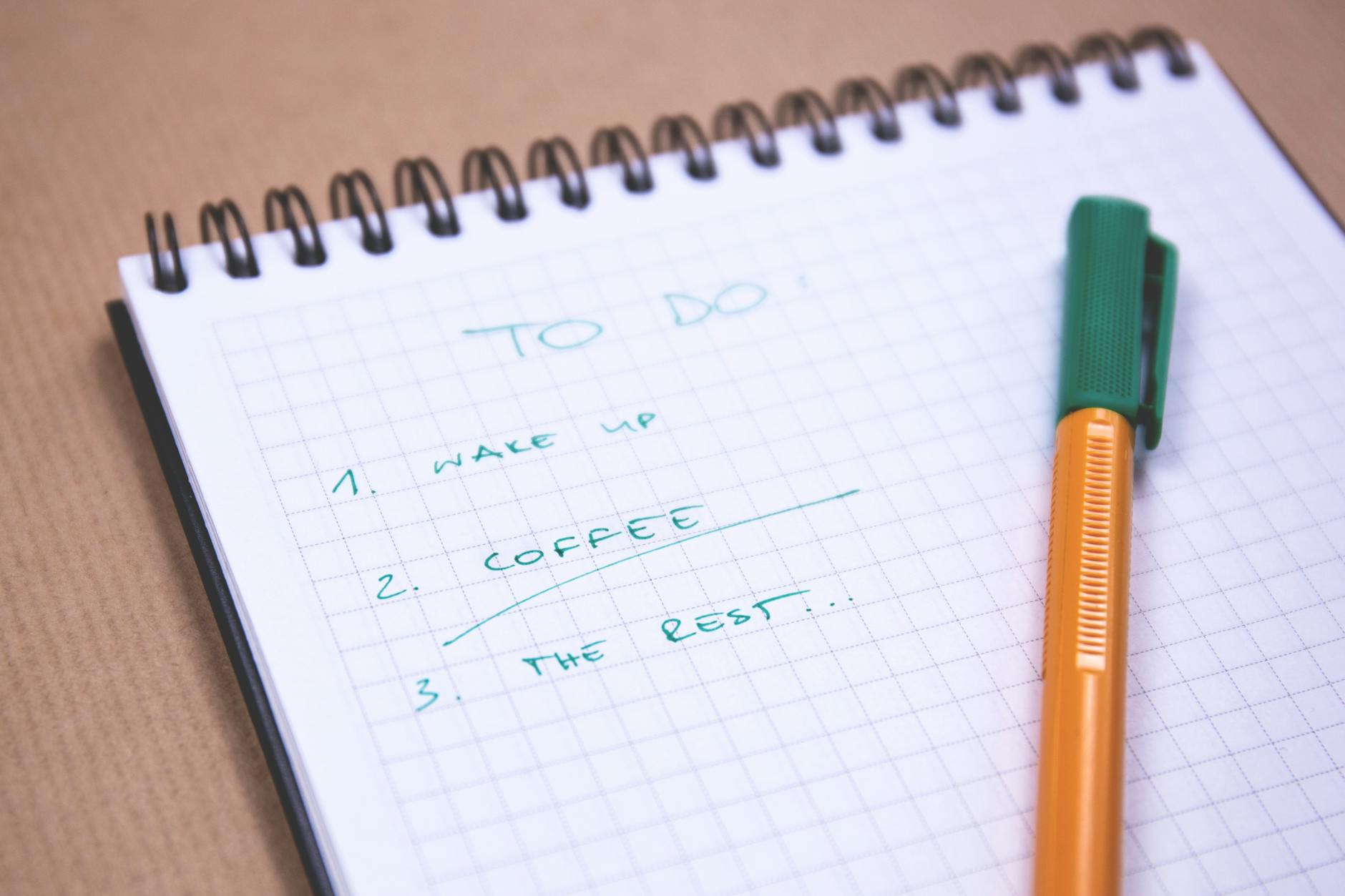
Photo by Miriam Alonso on Pexels | Source
Why a morning routine matters (short answer)
Your morning shapes hormones, appetite, attention, and mood. Light exposure resets your circadian clock, movement raises blood flow and cognitive readiness, targeted nutrition fuels focus, and a short planning or journaling habit clears mental clutter. Across sleep science and behavioral research, consistent morning habits are linked with better sleep quality, less decision fatigue, and higher goal completion over time.
Wake-up strategies: get your biology on your side
Start with timing and light.
- Consistent wake time. Research on circadian rhythms shows that keeping a regular wake time (even on weekends when possible) stabilizes sleep quality and daytime alertness. Pick a wake window that fits your life and stick to it within 30–60 minutes.
- Expose yourself to bright light. Natural morning light suppresses melatonin and advances the circadian phase. If you can, spend 10–20 minutes outside within the first hour. If not, use a wake-up light such as a sunrise alarm or bright-room lamp (Philips Hue lights or a dedicated wake-up lamp) to simulate daylight.
- Delay heavy decisions. Give yourself the first 30–60 minutes for low-cognitive tasks—hydration, a quick stretch, and a light plan—so you don’t drain willpower before your most important work.
Quick wake-up checklist (doable in 15 minutes):
- Open window or step outside for 5–10 minutes.
- Drink a glass of water to rehydrate.
- Do two minutes of mobility or breathing work to raise heart rate slightly.
Morning movement: short workouts that boost cognition
You don’t need a two-hour gym session. Evidence shows even 10–20 minutes of moderate-intensity aerobic exercise can improve executive function and mood for several hours.
Options by time and access:
- 5–10 minutes: dynamic mobility, bodyweight circuit (push-ups, squats, plank). This elevates heart rate and circulation.
- 10–20 minutes: brisk walk or short HIIT routine (e.g., 20 seconds on, 40 seconds off x 8 rounds). Studies link short high-intensity bursts to improved attention and memory consolidation.
- 20–40 minutes: steady-state cardio or strength training works well if your schedule allows.
Practical tips:
- If you exercise outside, you get both movement and light exposure.
- Use wearable data (Apple Watch, Fitbit, or Oura) to track recovery and avoid overtraining; watch for persistent elevated resting HR as a sign to dial back.
Nutrition: fuel that supports focus, not slumps
What you eat affects attention, mood, and energy stability. There’s no single perfect breakfast; choose foods that align with your goals (weight loss, muscle gain, stable energy) and that you’ll actually eat.
Science-based principles:
- Prioritize protein and fiber to reduce mid-morning crashes (eggs, Greek yogurt, legumes, oats with nuts).
- Include healthy fats (avocado, nuts) for sustained energy.
- Be mindful with caffeine: a moderate dose (e.g., 50–200 mg) enhances alertness and cognitive performance, but timing matters—avoid caffeine too close to bedtime and consider delaying immediate morning coffee if you want to use it strategically (e.g., after a light breakfast to reduce gut upset).
Quick breakfast ideas under 5–10 minutes:
- Greek yogurt, berries, chia seeds, and a handful of granola.
- Smoothie with protein powder, spinach, frozen fruit, and nut butter.
- Overnight oats with nuts and a scoop of protein.
If you practice intermittent fasting, schedule your first meal when it best supports your productivity and training goals—many people find that light movement in a fasted state plus a nutritious first meal after work or late morning suits them well.
Journaling and planning: clear the mental clutter
A short journaling habit is one of the highest-ROI morning moves. Studies on expressive writing (Pennebaker and follow-ups) show reductions in stress and improved cognitive function after brief writing exercises.
Two simple formats work well:
- 5-minute brain dump. Set a timer for five minutes and write anything on your mind—tasks, worries, ideas. This reduces intrusive thoughts and frees mental bandwidth.
- 3-3-3 planning method. Write 3 wins from yesterday, 3 MITs (Most Important Tasks) for today, and 3 things you’re grateful for. This combines momentum, focus, and positive affect.
Tools that make journaling painless:
- Paper notebook (affordable and distraction-free).
- Day One app for searchable digital entries and photos (subscription-based; pricing varies by region).
Designing a routine that fits your life (not a blueprint)
The most effective routine is the one you can sustain. Use the following framework to design a 20–90 minute morning that supports your goals and constraints.
- Identify your constraints. What time can you realistically wake? Do you have kids? Commute? Are you an early or late chronotype? Be honest.
- Pick 2–3 pillars. From wake timing/light, movement, nutrition, and journaling, choose the pillars most likely to move the needle for you. For example, prioritize movement and a short planning session if focus is your top challenge.
- Sequence intentionally. Order matters: exposure to light and movement early, then focused planning or deep work blocks. Delay email or social media to avoid reactive start-up.
- Start small and iterate. Begin with a 10–15 minute routine for two weeks, then add or swap elements. Use habit-stacking (attach the new habit to a reliable existing one) to increase adherence.
- Measure subjective outcomes. Track how you feel and how many MITs you complete, not just whether you completed the routine. Adjust based on results.
Example routines (pick one and adapt):
- Busy parent (20 minutes): wake, water + 5-minute mobility, simple protein breakfast to-go, 3-minute brain dump while kids dress.
- Knowledge worker (45 minutes): light exposure or walk, 15-minute HIIT, protein breakfast, 10-minute journaling and 20-minute deep-work start (no email).
- Creative freelancer (30 minutes): gentle yoga, 10-minute freewriting, light breakfast, prioritize one creative task to start.

Photo by Meli Di Rocco on Pexels | Source
Tech and tools (what helps, not what rules you)
A few tools can remove friction. Use them sparingly to support the routine rather than become a distraction.
- Wake-up lights and smart bulbs (e.g., Philips Hue). Simulate sunrise to improve wakefulness if you don’t get natural light. Prices for starter kits vary; check current retailer listings.
- Wearables for sleep & recovery. Apple Watch, Fitbit, and Oura Ring are popular for tracking sleep and readiness; choose the form factor you’ll wear consistently. Many offer companion apps that show sleep stages and trends.
- Journal apps. Day One (subscription model) and simpler note apps like Apple Notes or Notion can hold daily prompts and habit trackers.
- Focus tools. If you enjoyed our Pomodoro Technique 2.0 episode, timers like Be Focused or Forest and integrations with focus playlists help protect your morning deep-work window.
Avoid using your phone as the first stimulus—notifications and social scrolling are common routine-killers.
Common mistakes and how to avoid them
- Trying to copy someone else’s hour-long routine. Make it yours and sustainable.
- Checking email or social first. That sets reactive behaviors that diminish top-of-day focus.
- Overcomplicating nutrition. Keep breakfast realistic; a high-quality protein and fiber combo is often enough.
- Ignoring chronotype. If you’re strongly evening-type, forcing a 5 AM wake may backfire. Shift other parts of your day instead.

Photo by azra melek on Pexels | Source
Pulling it all together: a 30-day experiment
Try this four-week plan:
- Week 1: Establish a consistent wake time and morning light exposure. Track energy at mid-morning on a simple scale (1–5).
- Week 2: Add 10 minutes of movement after light exposure. Keep breakfast simple and consistent.
- Week 3: Introduce a 5-minute journaling/planning practice after movement.
- Week 4: Protect a 60–90 minute morning deep-work window (no email, no social) and measure completed MITs.
At the end of 30 days, reflect on sleep, sustained attention, mood, and task completion. Keep the pieces that work and drop or modify the rest.
Final note
A productive morning isn’t about perfection—it’s about designing reproducible conditions that support your most meaningful work. Pair these morning habits with the deep-focus skills from our Deep Work episode and the attention management strategies from our Pomodoro 2.0 guide for the biggest gains. Small, consistent changes trump dramatic but unsustainable overhauls.
Resources and next steps
- Try a simple habit tracker (paper or app) to log your morning routine adherence for 30 days.
- Revisit Episode 1 for Deep Work techniques and Episode 3 for AI-enhanced Pomodoro sessions to pair your routine with focus strategies.
Make one tweak this week—swap your phone-first habit for five minutes of journaling—and observe the difference.
Frequently Asked Questions
How long should a morning routine be to boost productivity?
Even 10–20 minutes of consistent morning habits can improve focus; aim for 20–90 minutes depending on your schedule and build up gradually.
Is morning exercise better than evening for productivity?
Morning exercise helps with immediate alertness and circadian alignment for many people, but the best time is when you can consistently move; consistency matters more than time of day.
Should I eat breakfast right after waking to boost cognitive performance?
A balanced breakfast with protein and fiber supports stable energy; if you practice intermittent fasting, time your first meal to match your energy and training goals rather than a fixed rule.
How do I stop checking my phone first thing in the morning?
Create a phone-free buffer by placing the device in another room or using a simple alarm clock; replace the habit with a short ritual like journaling or a mobility routine to reduce temptation.
Can journaling really improve productivity?
Yes—brief expressive writing or planning reduces intrusive thoughts and clarifies priorities, which helps free mental bandwidth for focused work.


