

Introduction: Why this series and what to expect
Welcome to Episode 1 of the Daily Hacks series. Over five episodes we'll break down practical, repeatable strategies that change how you get work done. This first episode focuses on deep work: how to reliably enter long, highly-focused sessions (4+ hours) and make them a habit. Subsequent episodes will expand into daily scheduling, energy management, distraction control, and team-level practices.
Cal Newport popularized the term "deep work" in his 2016 book Deep Work and later reinforced the idea in Digital Minimalism (2019). His core argument is simple and powerful: deep, focused work produces high-value results, and it’s a skill you can train. Below I translate his framework into actionable steps you can use starting today.

Photo by Dzenina Lukac on Pexels | Source
Cal Newport’s framework: The Four Rules, distilled
Cal Newport lays out four rules in Deep Work. Use them as your high-level roadmap.
- Work deeply. Build rituals, set strict time blocks, and protect those blocks like appointments.
- Embrace boredom. Train your ability to concentrate by resisting constant novelty (social media, news, quick web checks).
- Quit social media. Or at least use it deliberately; treat social platforms as optional tools, not default behaviors.
- Drain the shallows. Reduce low-value, shallow tasks that eat time (unstructured email, meetings without agendas).
How that looks in practice: carve out 1–2 deep blocks per day, or a single extended deep day. Protect those blocks with rituals and rules so your brain learns what to expect.
Practical techniques to reach 4+ hours of focus
You don’t need to start with a single four-hour chunk on day one. Build up using reliable techniques.
- Time blocking + accumulation: Schedule multiple focused blocks (e.g., 2 x 2 hours or 3 x 90 minutes) separated by restorative breaks. Accumulate them into a 4+ hour total.
- Ultradian rhythm alignment: Work for 90–120 minutes, then take a 20–30 minute break. This aligns with natural brain cycles and reduces diminishing returns.
- Productive Pomodoro variants: Instead of 25/5, try 50/10 or 90/20. Use a visible timer (phone widget, Toggl Track free plan, or a simple kitchen timer) to defend the block.
- Ritualize the start: Create a 3–7 minute pre-work ritual: open the necessary files, review a 3-item goal list, set your timer, and do a quick breathing exercise.
- Grand gestures: Make the session consequential (book a private room, buy a one-way ticket to a quiet location, or set a public commitment). A grand gesture increases psychological commitment and focus.
- Productive meditation: While doing low-cognitive activities (walking, showering), mentally work through a single problem. When your mind wanders, bring it back—this trains sustained attention.
Numbered checklist to start a 4-hour focused day:
- Pick the Most Important Project (MIP) for the day.
- Block 4+ hours in your calendar and mark as "Do Not Disturb."
- Prepare materials and close all unrelated tabs/apps.
- Start with a 5-minute ritual and a timer set to your chosen block structure.
- Use two breaks mid-way: one 20–30 minute reset and a shorter 10-minute walk or stretch.
- End with a 10-minute review: what progressed, what to carry forward.
Environment optimization: set your space to invite focus
A well-optimized environment cuts the friction to deep work.
- Physical workspace: Clear visual clutter. Use a single monitor or a well-organized multi-monitor setup. Keep only the tools you need for the session on the desk.
- Ergonomics and light: Use a comfortable chair and position your screen to avoid glare. Natural light is best; if unavailable, use full-spectrum desk lighting.
- Sound control: Noise-cancelling headphones (e.g., Sony WH-1000XM series or Bose QuietComfort line) are proven to reduce interruptions. Instrumental music or focus playlists (no lyrics) can help—services like Spotify and Apple Music have dedicated focus playlists.
- Digital environment: Turn on built-in focus tools—macOS Focus or iOS Focus, Windows Focus Assist—to suppress notifications. Use website/app blockers for the session (RescueTime offers tracking; Freedom blocks sites across devices; many blockers have free trials or free tiers).
- Tools that help:
- Notion or Obsidian for a single-source-of-truth note system (both offer free personal tiers).
- Toggl Track or built-in timers for tracking sessions (Toggl Track has a free plan).
- RescueTime for passive time tracking (offers a free tier and premium upgrade).
- Forest app for behavioral focus—plant a tree while you work (mobile, small one-time purchase on app stores).
Make the environment part of the ritual: if you always light a specific lamp and put on the same playlist, your brain will learn to pivot into focus faster.

Photo by Leeloo The First on Pexels | Source
Reducing distractions without willpower fatigue
Willpower is finite; systems don’t need to be.
- Pre-commitment and barriers: Disable social apps during work hours, log out of browsers, uninstall distracting apps from your work machine.
- Inbox triage rules: Use filters to send low-priority emails to a "Read Later" folder. Check email at scheduled times only—avoid constant inbox monitoring.
- Meeting hygiene: Insist on agendas and time limits. If a meeting doesn’t require your full attention, ask for a recording or summary.
- Accountability: Share your daily focus blocks with a colleague or accountability partner. Public commitment raises the cost of skipping deep work.
Building the deep work habit: a 30-day plan
You can train your attention like a muscle. Here’s a simple progressive plan.
Week 1: Start small
- Do two focused blocks of 45–60 minutes on three weekdays.
- Use ritual and a timer. Track sessions in a simple log (Notion, Obsidian, or a notebook).
Week 2: Increase duration and frequency
- Move to 60–90 minute blocks and aim for four blocks per week.
- Add a weekend maintenance block for creative or restorative deep work.
Week 3: Consolidate into longer blocks
- Try at least one 2–3 hour block. Use an ultradian rhythm break (20–30 minutes) halfway.
- Begin public commitment: tell a colleague or post your goal in a workspace.
Week 4: Aim for 4+ hours
- Combine your best blocks into a single 4+ hour session or two long sessions in one day.
- Reflect each day: what went well, what broke concentration, and how to fix it.
Key habit rules: keep sessions consistent (same time and place when possible), track results, and iterate weekly. Small, consistent wins compound into large focus capacity.
Troubleshooting common obstacles
- If your mind keeps wandering: shorten the initial blocks and build back up; use productive meditation between sessions.
- If interruptions are frequent: apply physical barriers (closed door, signage) and technical barriers (blockers, DND).
- If energy dips: prioritize sleep, hydration, and short movement breaks. High-quality nutrition and consistent sleep are non-negotiable for sustained cognitive work.
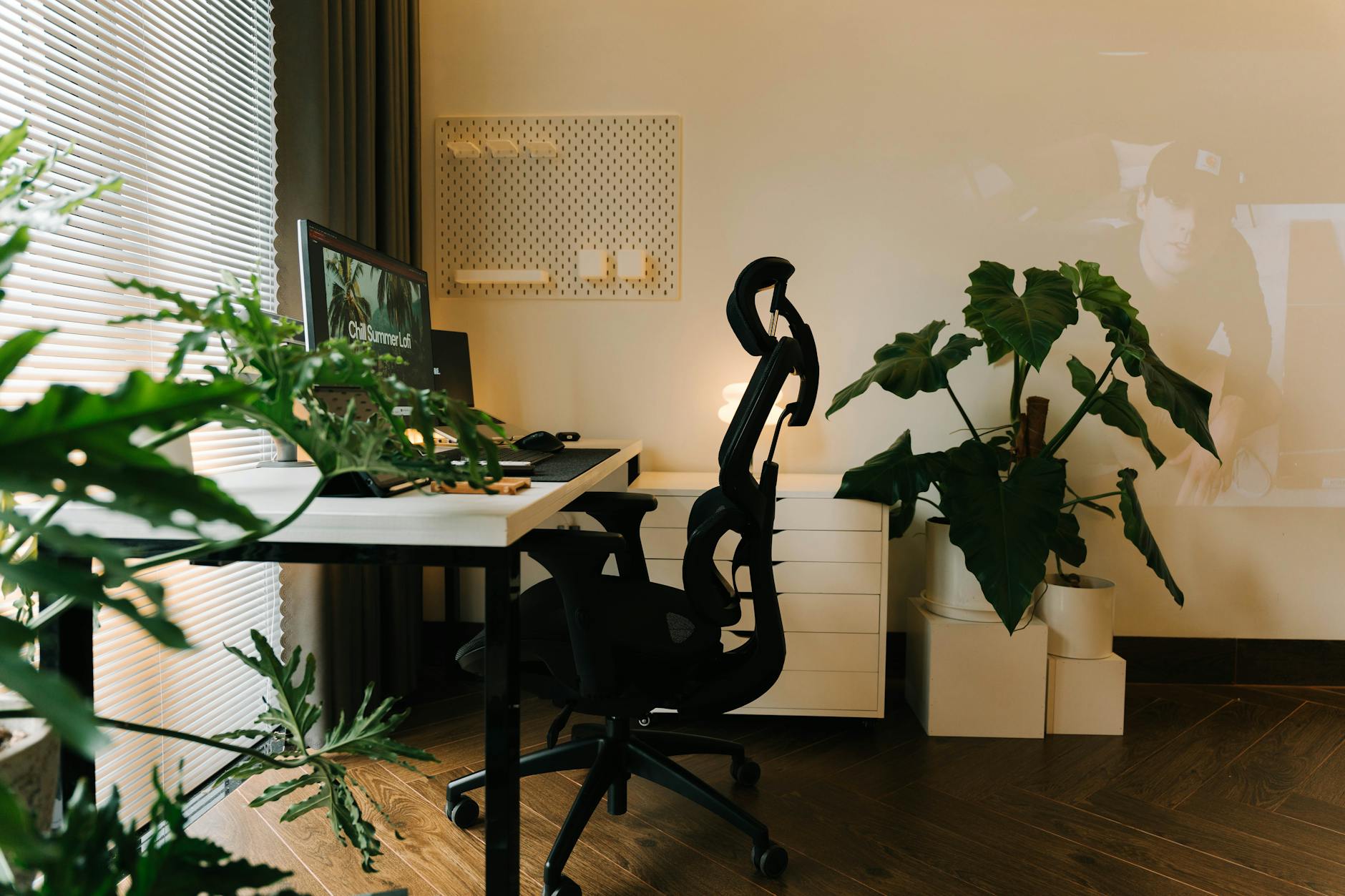
Photo by Alpha En on Pexels | Source
Measuring progress and staying honest
Track output, not just hours. Use simple metrics:
- Completed deliverables or milestones per week.
- Number of deep sessions and total deep hours.
- Qualitative progress: did the work quality improve?
Review weekly. If four hours of deep work is not producing meaningful outcomes, adjust scope or expectations. The goal is high-quality value, not arbitrary hours.
Wrap-up and what's next in the series
To reach reliable 4+ hour focus sessions you need a plan: adopt Newport’s framework, ritualize your start, optimize your environment, and build the habit progressively. In Episode 2 we’ll dig into daily scheduling and energy matching—how to place deep work where your energy peaks. Episode 3 covers team practices that protect focus; Episodes 4 and 5 include advanced tools and maintaining deep work long-term.
If you try a 30-day plan, share your experience—what worked, what didn’t, and what you want covered next. Deep work is a skill, and starting is the hardest part. Start small, protect your time, and the results will follow.
Ready to try today? Block a 90-minute session, pick a single Most Important Project, and defend it. You’ll be surprised how much momentum a single protected session creates.
Frequently Asked Questions
How do I start doing 4 hours of deep work without burning out?
Build up gradually: begin with shorter focused blocks (45–90 minutes), rest with proper breaks, and increase total deep time over weeks. Prioritize sleep, hydration, and brief movement between sessions to avoid burnout.
What if I’m interrupted by coworkers or family?
Create visible boundaries (closed door, 'do not disturb' sign), communicate your focus schedule in advance, and use technical barriers like Focus modes or website blockers to minimize digital interruptions.
Which tools should I use to support deep work?
Use built-in Focus modes (macOS, iOS, Windows), a simple timer (Toggl Track or a physical timer), and a distraction blocker or tracker (RescueTime or Freedom). Note-taking tools like Notion or Obsidian help centralize goals and reduce context switching.
How do I measure whether deep work is effective?
Track output rather than hours: completed milestones, quality of work, and progress on your Most Important Project. Combine quantitative tracking (sessions/hours) with weekly qualitative reviews.


