

Dollar Dominance Is Cracking — And the Iran War Is Speeding It Up
For decades, the US dollar has sat at the top of the global financial food chain. It's the currency countries hold in reserve, the currency oil is priced in, and the currency global trade revolves around. But in 2026, cracks that have been forming for years are suddenly looking a lot more like fault lines — and the US military strikes on Iran may have just triggered a financial earthquake that economists have been warning about for years.
If you have savings, investments, or retirement accounts, this is not a story you can afford to ignore.

Photo by Jeffry Surianto on Pexels | Source
What's Actually Happening to the Dollar Right Now
The US dollar's status as the world's reserve currency — a position it has held since the Bretton Woods agreement in 1944 — is being challenged on multiple fronts simultaneously. The strikes on Iran have accelerated several trends that were already quietly reshaping global finance.
Here's what's driving the current shift:
- Gulf nations are rattled. Gulf stock markets slid sharply following the US-Israeli strikes on Iran, with Kuwait suspending trading altogether. Countries that have long pegged their economies to US stability are now quietly exploring alternatives.
- Oil pricing in alternative currencies. OPEC+ nations, already experimenting with yuan-denominated oil transactions, have additional motivation to reduce dollar dependency when they feel caught in the crossfire of US geopolitical decisions.
- De-dollarization momentum. The BRICS bloc — Brazil, Russia, India, China, South Africa, and a growing list of members — has been actively working on dollar alternatives for years. US military unilateralism gives their argument new urgency.
- US debt concerns compound the problem. The Congressional vote over Trump's war powers comes at a time when US deficit spending is already drawing scrutiny from foreign creditors.
As Guardian columnist Heather Stewart noted, the Iran strikes don't just raise geopolitical concerns — they signal to the rest of the world that US foreign policy can be unpredictable, which is precisely the opposite of what reserve currency credibility requires.
Why Reserve Currency Status Matters to Everyday Americans
This might sound like something only economists and hedge fund managers need to worry about. It's not.
The dollar's reserve currency status gives the United States what former French Finance Minister Valéry Giscard d'Estaing famously called an "exorbitant privilege" — the ability to borrow at lower rates, import goods cheaply, and run deficits that would cripple other economies. When that privilege erodes, the consequences are very real for ordinary Americans:
- Higher inflation. A weaker dollar means imported goods — electronics, clothing, food — cost more.
- Higher borrowing costs. Mortgage rates, car loans, and credit cards could all become more expensive if foreign demand for US Treasury bonds falls.
- Energy price volatility. If oil is no longer priced exclusively in dollars, the US loses a key buffer against global energy price swings.
- Reduced government spending power. Washington's ability to fund social programs and military operations cheaply depends on global dollar demand.
None of this happens overnight. But the direction of travel matters, and right now, that direction is away from dollar dominance.

Photo by yun zhu on Pexels | Source
Which Countries Are Moving Fastest Away From the Dollar?
The shift isn't hypothetical — it's already underway. Here's a snapshot of where the de-dollarization trend stands today:
China and Russia have been settling bilateral trade in yuan and rubles for years, largely a response to US sanctions pressure. The Ukraine conflict accelerated this dramatically.
Saudi Arabia and Gulf States have been in discussions about accepting yuan for oil sales, a move that would strike at the heart of the petrodollar system that has underpinned dollar dominance since the 1970s.
India has been expanding rupee-based trade agreements with multiple countries, reducing its reliance on dollar-denominated transactions.
BRICS nations are actively exploring a shared reserve currency or payment system that could bypass the dollar-dominated SWIFT financial messaging network.
The US strikes on Iran add fresh fuel to this fire. Nations watching from the sidelines see a United States that is willing to launch major military operations without broad international consensus — and that makes dollar-denominated reserves feel less like a safe harbor and more like a geopolitical liability.
What Smart Investors Are Doing Right Now
So what does this mean practically for your financial decisions in 2026? Experts and analysts are watching several key indicators closely, and a few strategies are gaining attention:
Diversify into hard assets. Gold has historically been a hedge against dollar weakness, and many investors are increasing their allocations. Real assets — real estate, commodities, infrastructure — also tend to hold value when currency purchasing power erodes.
Look at international equities. If the dollar weakens relative to other currencies, foreign stocks and funds denominated in those currencies can deliver a dual return — from stock performance and currency appreciation.
Watch oil and energy sector stocks. While Iran tensions create volatility, OPEC+'s decision to modestly boost oil output even amid the disruptions signals that major producers are trying to manage price stability. Energy stocks may benefit from sustained higher prices.
Consider inflation-protected securities. Treasury Inflation-Protected Securities (TIPS) are designed to keep pace with inflation — relevant if dollar weakness translates into rising prices.
Don't panic-sell US assets. The dollar's decline from dominance, if it happens, will be measured in years and decades, not weeks. The US economy remains the world's largest and most liquid. A gradual rebalancing, not a collapse, is the realistic scenario.
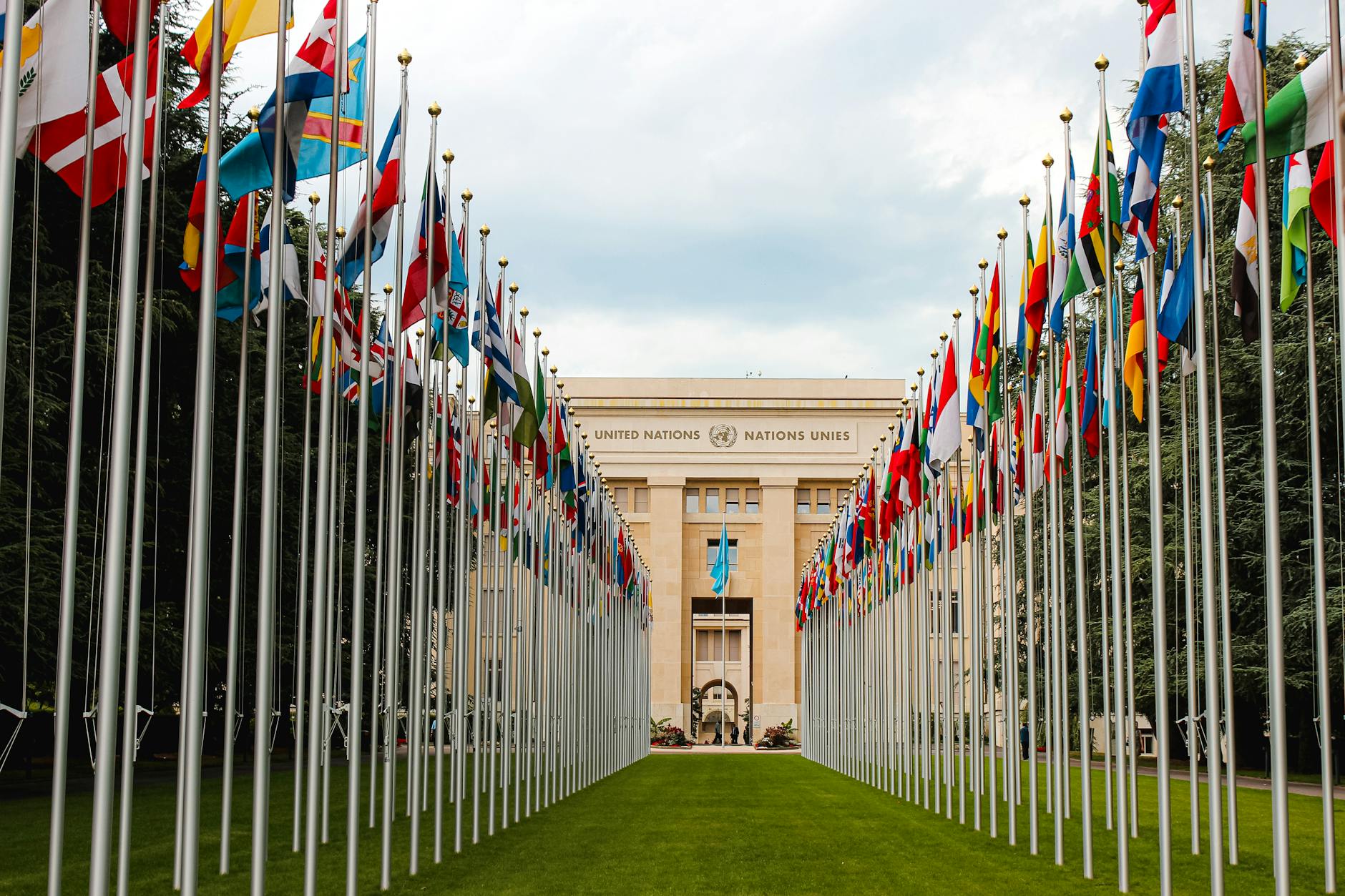
Photo by Mathias Reding on Pexels | Source
The Bigger Picture: What Kind of World Comes Next?
The conversation about dollar dominance ultimately raises a larger question: what does a multipolar currency world look like, and is it better or worse for global stability?
Historically, the transition between global reserve currencies — from the British pound to the US dollar after World War II — has been disruptive and slow. There is no single currency ready to replace the dollar today. The euro has structural limitations. The yuan is not freely convertible. Gold alone cannot support modern global trade volumes.
What's more likely is a fragmented system — a world where multiple currencies play regional reserve roles, where commodity trades happen in different currencies depending on the parties involved, and where the US dollar remains important but no longer dominant in the way it has been.
For Americans, this transition represents both a challenge and an adjustment. The "exorbitant privilege" has allowed the US to live beyond its means for decades. A more balanced global financial system might ultimately impose a useful discipline — even if the short-term adjustments are painful.
What You Should Watch in the Coming Weeks
Keep an eye on these key indicators as the situation develops:
- Dollar Index (DXY): Tracks the dollar against a basket of major currencies. A sustained decline below key support levels would be significant.
- Gold prices: A reliable barometer of confidence in fiat currencies generally.
- US Treasury yields: Rising yields signal that foreign buyers are demanding higher returns, a sign of reduced confidence.
- Gulf oil trade announcements: Any move by Saudi Arabia or UAE to formally accept non-dollar payments for oil would be a watershed moment.
- Congressional war powers vote outcomes: Greater domestic political instability tends to compound international confidence concerns.
The world is watching what happens next in the Middle East — not just for the human toll, which is devastating, but for what it means for the architecture of global finance that all of us depend on every day. The dollar's dominance has been quietly fading for years. The Iran strikes may be the moment history remembers as the inflection point.
Stay informed, stay diversified, and don't let the noise of daily headlines distract you from the longer-term shifts that will shape your financial future.
FAQ
What does dollar dominance mean and why does it matter? Dollar dominance refers to the US dollar's status as the world's primary reserve currency, used in most international trade and held by central banks globally. It gives the US significant economic advantages, including lower borrowing costs and greater financial flexibility, which affect everyday Americans through cheaper imports and lower interest rates.
How do the US strikes on Iran threaten the dollar's reserve status? The strikes signal US geopolitical unpredictability to the rest of the world, giving nations additional motivation to reduce their dependence on the dollar. Countries that feel caught in the crossfire of US foreign policy decisions are more likely to accelerate de-dollarization efforts, including settling trade in alternative currencies.
How can I protect my savings if the dollar weakens? Diversifying into hard assets like gold, real estate, and commodities is a common hedge against dollar weakness. International equities, inflation-protected securities like TIPS, and energy sector investments are also strategies worth discussing with a financial advisor in the current environment.
Is the dollar going to collapse because of the Iran conflict? A full collapse of the dollar is extremely unlikely in the near term. The US remains the world's largest economy with the most liquid financial markets. What's more realistic is a gradual erosion of dollar dominance over years or decades, leading to a more multipolar global currency system — disruptive but not catastrophic.
What is de-dollarization and which countries are leading it? De-dollarization is the process of reducing reliance on the US dollar in international trade and reserves. China and Russia have been most aggressive, settling trade in yuan and rubles. BRICS nations collectively are exploring alternative payment systems, while Gulf states have held discussions about yuan-denominated oil sales — a move that would fundamentally challenge the petrodollar system.
Frequently Asked Questions
What does dollar dominance mean and why does it matter?
Dollar dominance refers to the US dollar's status as the world's primary reserve currency, used in most international trade and held by central banks globally. It gives the US significant economic advantages, including lower borrowing costs and greater financial flexibility, which affect everyday Americans through cheaper imports and lower interest rates.
How do the US strikes on Iran threaten the dollar's reserve status?
The strikes signal US geopolitical unpredictability to the rest of the world, giving nations additional motivation to reduce their dependence on the dollar. Countries that feel caught in the crossfire of US foreign policy decisions are more likely to accelerate de-dollarization efforts, including settling trade in alternative currencies.
How can I protect my savings if the dollar weakens?
Diversifying into hard assets like gold, real estate, and commodities is a common hedge against dollar weakness. International equities, inflation-protected securities like TIPS, and energy sector investments are also strategies worth discussing with a financial advisor in the current environment.
Is the dollar going to collapse because of the Iran conflict?
A full collapse of the dollar is extremely unlikely in the near term. The US remains the world's largest economy with the most liquid financial markets. What's more realistic is a gradual erosion of dollar dominance over years or decades, leading to a more multipolar global currency system — disruptive but not catastrophic.
What is de-dollarization and which countries are leading it?
De-dollarization is the process of reducing reliance on the US dollar in international trade and reserves. China and Russia have been most aggressive, settling trade in yuan and rubles. BRICS nations collectively are exploring alternative payment systems, while Gulf states have held discussions about yuan-denominated oil sales — a move that would fundamentally challenge the petrodollar system.


