

Schwab U.S. Dividend Equity ETF 2026: Why Its 12.9% Annualized Return Still Impresses Income Investors
In a year where geopolitical shocks, AI disruptions, and oil price swings are rattling portfolios across the board, one ETF keeps quietly doing what it does best: delivering solid, consistent, dividend-powered returns. The Schwab U.S. Dividend Equity ETF (SCHD) has posted a 12.9% annualized return over its lifetime, and in 2026, that track record is looking more attractive than ever.
But what's actually inside this fund that makes it tick? And more importantly, is it still worth buying right now? Let's break it down.

Photo by Markus Winkler on Pexels | Source
What Is SCHD and Why Does It Matter?
The Schwab U.S. Dividend Equity ETF (SCHD) is one of the most popular dividend-focused ETFs in the United States. It tracks the Dow Jones U.S. Dividend 100 Index, which screens for companies with strong fundamentals, sustainable dividend payouts, and consistent dividend growth over at least a decade.
Here's what makes SCHD stand out in a crowded field:
- Low expense ratio of just 0.06% — practically free to own
- Quarterly dividend payments, giving you regular income
- Rigorous screening criteria that filters out dividend traps and financially weak companies
- A portfolio built around quality dividend growers, not just high-yield bets
With over $60 billion in assets under management, SCHD is not a niche play — it's a mainstream income-investing staple. And that 12.9% annualized return since inception? That includes dividend reinvestment, which is the real engine behind long-term compounding wealth.
How SCHD Selects Its Holdings
Unlike ETFs that simply chase the highest yield, SCHD applies a multi-factor selection process. To make the cut, a stock must:
- Have paid dividends consistently for at least 10 consecutive years
- Pass screens for cash flow to total debt, return on equity, dividend yield, and 5-year dividend growth rate
- Be a U.S.-listed company with a minimum market capitalization threshold
- Not be a real estate investment trust (REIT) or limited partnership
This framework naturally tilts the fund toward financially healthy, mature companies that generate real cash flow — not just dividend-paying stocks propped up by debt.

Photo by Vietnam Photographer on Pexels | Source
2 Top SCHD Holdings That Showcase the Strategy
Two holdings in particular have been highlighted as exemplifying exactly why SCHD's investment philosophy works so well.
1. Chevron (CVX)
Chevron is one of the world's largest integrated energy companies, and it's a classic SCHD pick. Despite the ongoing volatility in oil markets — where Brent crude has been swinging due to US-Iran tensions — Chevron has maintained its commitment to dividend growth. The company has increased its dividend for over 35 consecutive years, earning it Dividend Aristocrat status.
What makes Chevron a textbook SCHD holding:
- Strong free cash flow generation even at lower oil prices
- A balance sheet with manageable debt levels relative to cash flow
- A history of buybacks and dividend hikes that reward long-term shareholders
- Geographic diversification that buffers against regional shocks
With oil prices elevated due to Middle East tensions in early 2026, Chevron's near-term earnings visibility remains solid — though long-term investors should be aware of the energy transition headwinds.
2. AbbVie (ABBV)
AbbVie is a pharmaceutical giant best known for Humira, one of the world's best-selling drugs of all time. Even as Humira has faced biosimilar competition, AbbVie has successfully pivoted its growth strategy around Skyrizi and Rinvoq — two immunology drugs that are posting impressive sales growth.
Why AbbVie belongs in a dividend-focused ETF:
- Dividend growth track record spanning over 50 years (including its time as part of Abbott Laboratories)
- A high and growing yield that's covered by robust cash flow
- A diversified pharmaceutical pipeline that reduces patent cliff risk
- Consistent earnings beats backed by strong drug pricing power
AbbVie's ability to navigate Humira's patent expiry while growing its revenue base is a testament to exactly the kind of financial discipline SCHD's screening process is designed to find.
Is SCHD Still Worth Buying in 2026?
Here's the honest answer: it depends on what you're looking for, but for most long-term income investors, SCHD remains a compelling core holding.
Arguments for buying SCHD in 2026:
- Dividend income provides a cushion during market volatility — something investors desperately need amid ongoing geopolitical uncertainty
- The 12.9% annualized return beats many actively managed funds after fees
- Quality factor exposure means you're owning fundamentally sound businesses, not lottery tickets
- Inflation-fighting potential through dividend growth that outpaces inflation over time
Arguments for caution:
- SCHD tends to underperform growth-heavy indices during tech bull markets — if AI stocks resume their 2023-2024 run, SCHD may lag the S&P 500
- Rising interest rates can make dividend stocks less attractive relative to bonds
- Sector concentration in financials, healthcare, and energy means sector-specific downturns hit harder
For investors nearing or in retirement, SCHD's blend of income and quality is hard to beat. For younger investors with a 20+ year horizon, pairing SCHD with a growth-oriented ETF can balance income and capital appreciation.
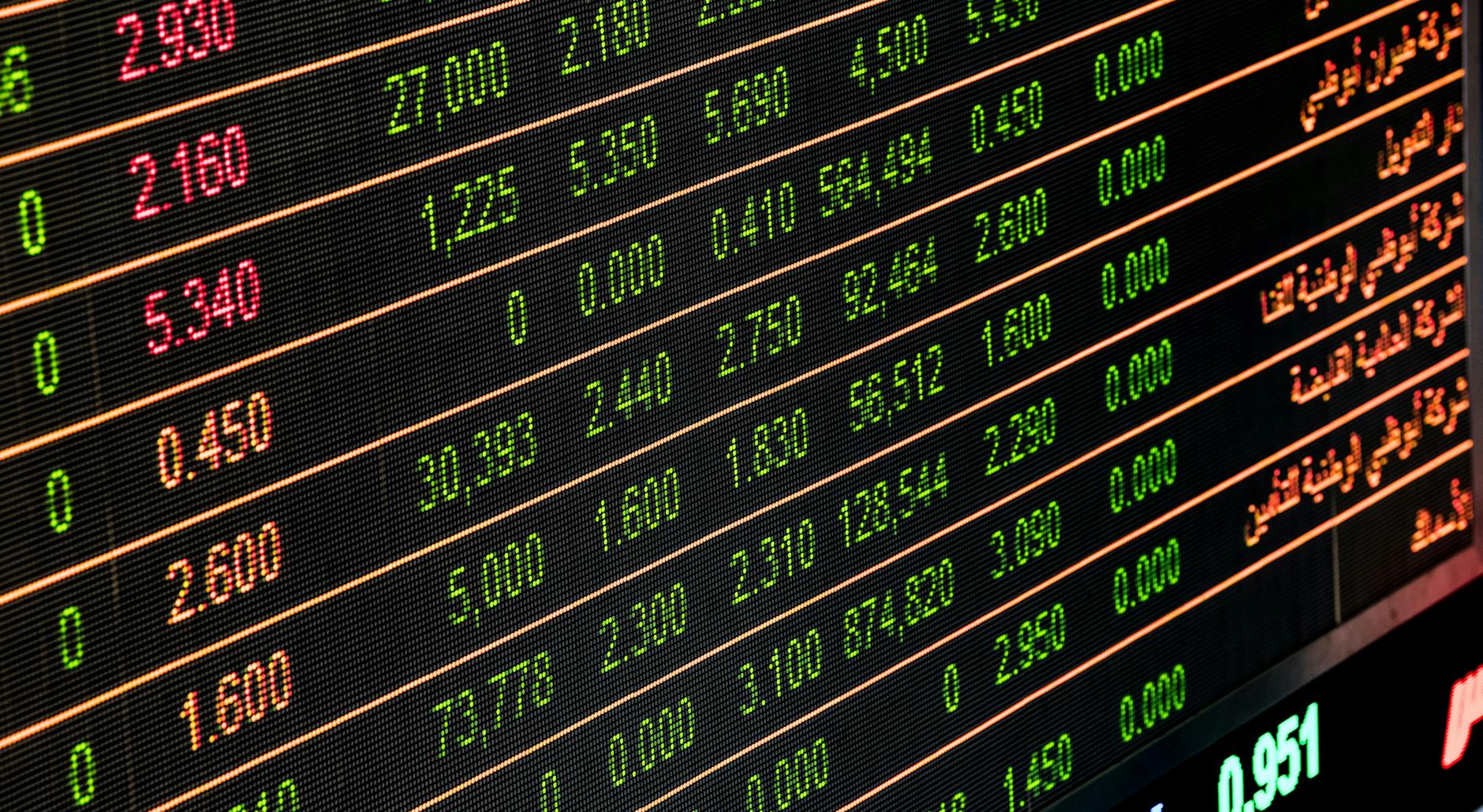
Photo by Pixabay on Pexels | Source
How to Get the Most Out of SCHD
If you're thinking about adding SCHD to your portfolio, here are some practical tips:
- Reinvest dividends automatically — this is where the compounding magic happens and how you capture that full 12.9% annualized return
- Dollar-cost average into SCHD rather than timing the market
- Hold it in a tax-advantaged account (like a Roth IRA or 401k) if possible, since dividend income is taxable in a regular brokerage account
- Pair it strategically — SCHD complements growth ETFs like VUG or QQQ nicely
- Review quarterly — SCHD rebalances annually, so its holdings shift over time
The Bottom Line
In a 2026 market defined by uncertainty — from Middle East conflicts affecting oil prices to AI-driven sector rotations — SCHD's quiet consistency is genuinely refreshing. Its 12.9% annualized return didn't happen by accident. It's the product of a disciplined, time-tested strategy that focuses on quality businesses rewarding shareholders with growing cash dividends.
Companies like Chevron and AbbVie in its top holdings aren't flashy, but they're the kind of businesses that keep paying and growing dividends through recessions, rate cycles, and geopolitical storms. And that, ultimately, is the whole point of an ETF like SCHD.
Whether you're building a retirement nest egg, generating passive income, or simply looking for a lower-volatility way to stay invested in equities, SCHD deserves a serious look in 2026.
Always do your own research and consider speaking with a financial advisor before making investment decisions. Past performance does not guarantee future results.
Frequently Asked Questions
What is the SCHD ETF and is it a good investment in 2026?
SCHD is the Schwab U.S. Dividend Equity ETF, which tracks the Dow Jones U.S. Dividend 100 Index and focuses on high-quality, dividend-growing U.S. companies. With a 12.9% annualized return and a rock-bottom 0.06% expense ratio, it remains one of the most popular dividend ETFs for income-focused investors in 2026.
What are SCHD's largest holdings in 2026?
SCHD's top holdings include well-known dividend growers like Chevron (CVX), AbbVie (ABBV), and major financial and healthcare companies that have demonstrated at least 10 consecutive years of dividend payments. The fund rebalances annually, so holdings can shift over time.
How does SCHD compare to the S&P 500 for long-term returns?
SCHD's 12.9% annualized return is competitive with the broader market, especially when dividends are reinvested. However, during strong growth or tech bull markets, the S&P 500 can outperform SCHD since SCHD underweights high-growth, low-dividend tech stocks.
Is SCHD a good ETF for retirement income?
Yes — SCHD is widely considered one of the best ETFs for retirees or near-retirees because it provides regular quarterly dividend income from financially stable companies. Holding it in a tax-advantaged account like an IRA can further boost your after-tax returns.
How often does SCHD pay dividends?
SCHD pays dividends quarterly, typically in March, June, September, and December. Reinvesting those dividends automatically is the most powerful way to take advantage of the fund's long-term compounding potential.


