

4 Berkshire Hathaway Stocks That New CEO Greg Abel Expects to Compound for Decades
Warren Buffett's succession was always going to be one of the most watched leadership transitions in financial history. Now that Greg Abel has stepped into the driver's seat at Berkshire Hathaway, investors everywhere are asking the same question: What does this mean for my money?
Abel hasn't been shy about signaling his convictions. In recent commentary reported by The Motley Fool, he specifically called out stocks he believes "will compound over decades" — a phrase that would make Buffett himself proud. If you're looking for long-term wealth-building ideas anchored in one of the world's most respected investment philosophies, these four picks deserve a serious look.
Let's break them down.
Photo by Andrew Neel on Pexels | Source
Why Greg Abel's Opinion Actually Matters
Before diving into the stocks, it's worth understanding why Abel's endorsements carry weight in 2026.
Greg Abel has been inside Berkshire Hathaway's ecosystem for decades. He previously ran Berkshire Hathaway Energy, turning it into one of North America's most expansive utility and renewable energy platforms. He understands capital allocation, long-term cash flow modeling, and competitive moats at an institutional level.
Buffett himself said Abel understands capital allocation as well as anyone. That's not a throwaway compliment — it's a generational endorsement. So when Abel points to specific positions and says they'll compound over decades, it reflects a deeply considered thesis, not casual optimism.
In a market rattled by Iran war tensions, rising gas prices, and a shaky February jobs report showing 92,000 jobs lost, finding businesses with durable earnings power is more important than ever.
1. Apple (AAPL) — The Crown Jewel Stays Put
Even as Berkshire has trimmed its Apple position somewhat over the past two years for tax and portfolio management reasons, Apple remains Berkshire's single largest public equity holding by a wide margin — and Abel has signaled this isn't changing.
Why does Abel love Apple long-term?
- Ecosystem lock-in: Hundreds of millions of iPhone users are deeply embedded in Apple's services, apps, and hardware universe.
- Services revenue growth: Apple's services segment — App Store, Apple TV+, iCloud, Apple Pay — has become a high-margin recurring revenue machine.
- Capital return discipline: Apple returns enormous sums to shareholders through buybacks and dividends, compounding per-share value mechanically over time.
With Apple's iPhone 17e now drawing attention and new leadership appointments expanding the executive bench (as noted by MacRumors), the company continues to innovate while printing cash. For a buy-and-hold investor, that combination is rare.
The Berkshire thesis in one sentence: Apple is less a tech company and more a consumer staples brand with extraordinary pricing power.
2. American Express (AXP) — The Affluent Consumer Play
American Express has been in Berkshire's portfolio since 1991 — yes, 35 years. Abel sees no reason to abandon a business that has quietly evolved into a premium financial services powerhouse.
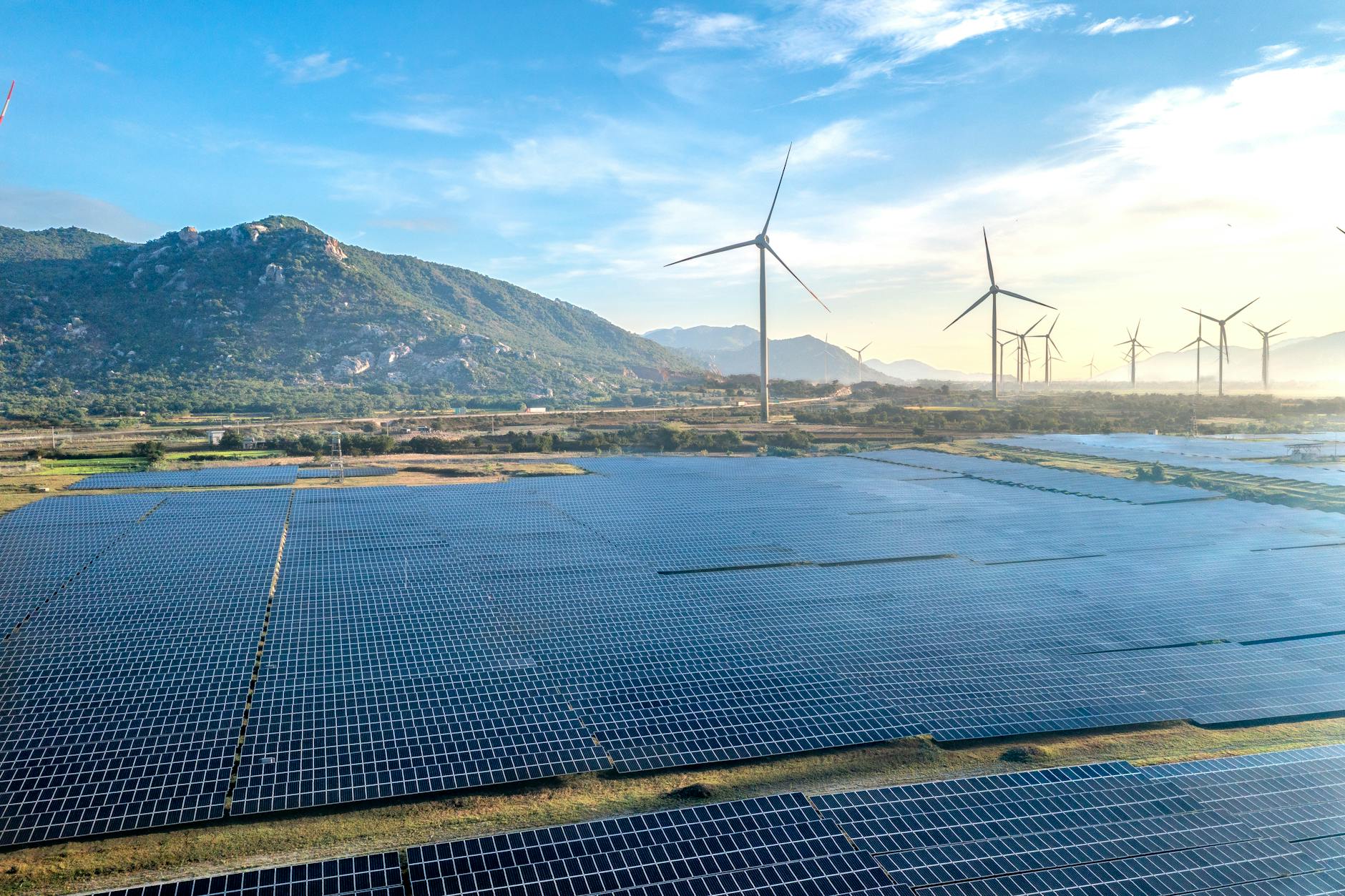
Photo by Quang Nguyen Vinh on Pexels | Source
Here's what makes Amex compelling heading deeper into the 2020s:
- Closed-loop network: Unlike Visa or Mastercard, Amex operates both sides of its payment network, giving it superior data and margin control.
- Affluent cardholder base: Amex cardholders skew wealthier, meaning they spend more and default less — even in economic downturns.
- Millennial and Gen Z adoption: This surprises many, but younger high-earners have increasingly gravitated to Amex's premium card products. The brand's status appeal has only grown.
- Fee income resilience: Annual fees from premium cards like the Platinum and Gold provide stable, inflation-resistant revenue streams.
In an environment where credit card delinquencies are ticking up across the industry, Amex's customer quality provides a meaningful buffer. Abel's confidence here reflects a classic Buffett principle: own the toll booth, not the traffic.
3. Coca-Cola (KO) — Boring, Beautiful, and Brilliant
If American Express is Berkshire's financial crown jewel, Coca-Cola is its most iconic holding — purchased starting in 1988 and never sold. Abel's endorsement of KO as a long-term compounder will surprise no one who understands Berkshire's DNA.
But don't mistake familiarity for weakness. Here's why Coca-Cola remains a genuinely excellent long-term position:
- Global distribution dominance: Coke's distribution network spans nearly every country on Earth. Building that from scratch would cost hundreds of billions of dollars.
- Dividend aristocrat status: Coca-Cola has raised its dividend every single year for over 60 consecutive years. It's one of the most reliable income streams in public markets.
- Pricing power: Coke has repeatedly demonstrated the ability to raise prices without losing meaningful volume — the hallmark of a true consumer moat.
- Emerging market exposure: As middle classes grow in Asia, Africa, and Latin America, Coke's volume opportunity expands accordingly.
At a time when geopolitical uncertainty is rattling energy markets and oil prices hover near multi-year highs due to Hormuz tensions, owning a company that sells the same product in 200 countries for a dollar or two provides remarkable portfolio stability.
4. Berkshire Hathaway Energy (BHE) — Abel's Own Baby
Perhaps the most personally meaningful pick on this list: Berkshire Hathaway Energy, the utility and renewable energy conglomerate Abel built and ran for years before ascending to the CEO role.
Photo by www.kaboompics.com on Pexels | Source
BHE isn't a publicly traded standalone stock — it operates as a subsidiary — but for investors in BRK.A or BRK.B, its performance flows directly into Berkshire's intrinsic value. Abel's enthusiasm for BHE's future compounding reflects several macro tailwinds:
- Grid modernization spending: America's electrical infrastructure requires trillions in upgrades over the next two decades. BHE is positioned to capture significant capital deployment opportunities here.
- Renewable energy transition: BHE operates substantial wind, solar, and hydroelectric assets, giving it a strong position as the energy mix shifts.
- Regulated utility returns: Utilities earn predictable, regulated returns — not flashy, but deeply reliable as compounders over long periods.
- AI data center electricity demand: The explosion in AI computing power is driving unprecedented electricity consumption. Utility companies serving data center clusters stand to benefit materially.
Abel knows BHE's asset base, regulatory relationships, and growth pipeline better than almost anyone alive. His belief in its multi-decade compounding story carries unique credibility.
What These 4 Stocks Have in Common
Look across these four picks and a clear pattern emerges:
- Durable competitive moats — each business is genuinely difficult to displace
- Cash generation — all four throw off significant free cash flow
- Pricing power — each can raise prices without catastrophic volume loss
- Long reinvestment runways — decades of growth opportunities remain ahead
This isn't about chasing the hottest AI startup or the most viral crypto token. It's about owning pieces of extraordinary businesses at reasonable prices and letting time do the heavy lifting.
Should You Follow Abel's Lead?
Copying great investors can be a legitimate strategy — but it requires patience. These stocks aren't designed to double in six months. They're designed to make you meaningfully wealthier over 10, 20, and 30 years.
In a 2026 environment defined by geopolitical stress, energy price volatility, and economic uncertainty, there's something quietly radical about owning boring, cash-generating businesses and simply waiting. That's been Berkshire's edge for 60 years. Greg Abel appears determined to keep it that way.
If you're building a long-term portfolio and want to align with one of the sharpest capital allocators now running a major company, these four Berkshire positions are a very good place to start your research.
As always, do your own due diligence and consider consulting a financial advisor before making investment decisions.
Frequently Asked Questions
Who is Greg Abel and why is he important to Berkshire Hathaway?
Greg Abel is the CEO of Berkshire Hathaway, succeeding Warren Buffett as the head of the legendary investment conglomerate. He previously ran Berkshire Hathaway Energy and was personally endorsed by Buffett as someone who understands capital allocation at the highest level.
What stocks does Greg Abel believe will compound over decades?
Abel has highlighted Apple, American Express, Coca-Cola, and Berkshire Hathaway Energy as businesses he expects to deliver strong compounding returns over the long term. These holdings reflect the classic Berkshire philosophy of owning durable, cash-generating businesses with strong competitive moats.
Is Berkshire Hathaway stock (BRK.B) a good buy in 2026?
Berkshire Hathaway stock gives investors diversified exposure to a portfolio of world-class businesses managed by proven capital allocators. Whether it's a good buy depends on your personal financial situation, time horizon, and risk tolerance — consulting a financial advisor is recommended.
What is the difference between BRK.A and BRK.B shares?
BRK.A (Class A) shares are Berkshire Hathaway's original shares and trade at extremely high prices — often over $600,000 per share. BRK.B (Class B) shares are economically equivalent to 1/1,500th of a Class A share and are far more accessible to everyday investors.
How does Berkshire Hathaway Energy fit into the renewable energy trend?
Berkshire Hathaway Energy operates substantial wind, solar, and hydroelectric assets alongside traditional utility infrastructure, positioning it well for the ongoing energy transition. It also stands to benefit from surging electricity demand driven by AI data centers and grid modernization projects across the US.


