
The Smart Glasses Privacy Problem No One Is Talking About
Imagine sitting at your favorite café, completely unaware that the person at the next table is quietly recording you through their stylish glasses. No obvious camera lens. No blinking red light. Just a seemingly ordinary accessory — and your private moments being captured without your knowledge. It sounds like a dystopian thriller, but in 2026, it's a very real concern.
Smart glasses — from Meta's Ray-Ban series to a growing lineup of competitors — have exploded in popularity. They're sleek, functional, and increasingly powerful. But that power comes with a significant downside: they can capture photos, video, and audio in public spaces with zero obvious indication to bystanders. Until now, there's been almost no way to know if someone nearby is wearing them.
That's where a groundbreaking new app changes everything.

Photo by Dan Nelson on Pexels | Source
How the New Detection App Actually Works
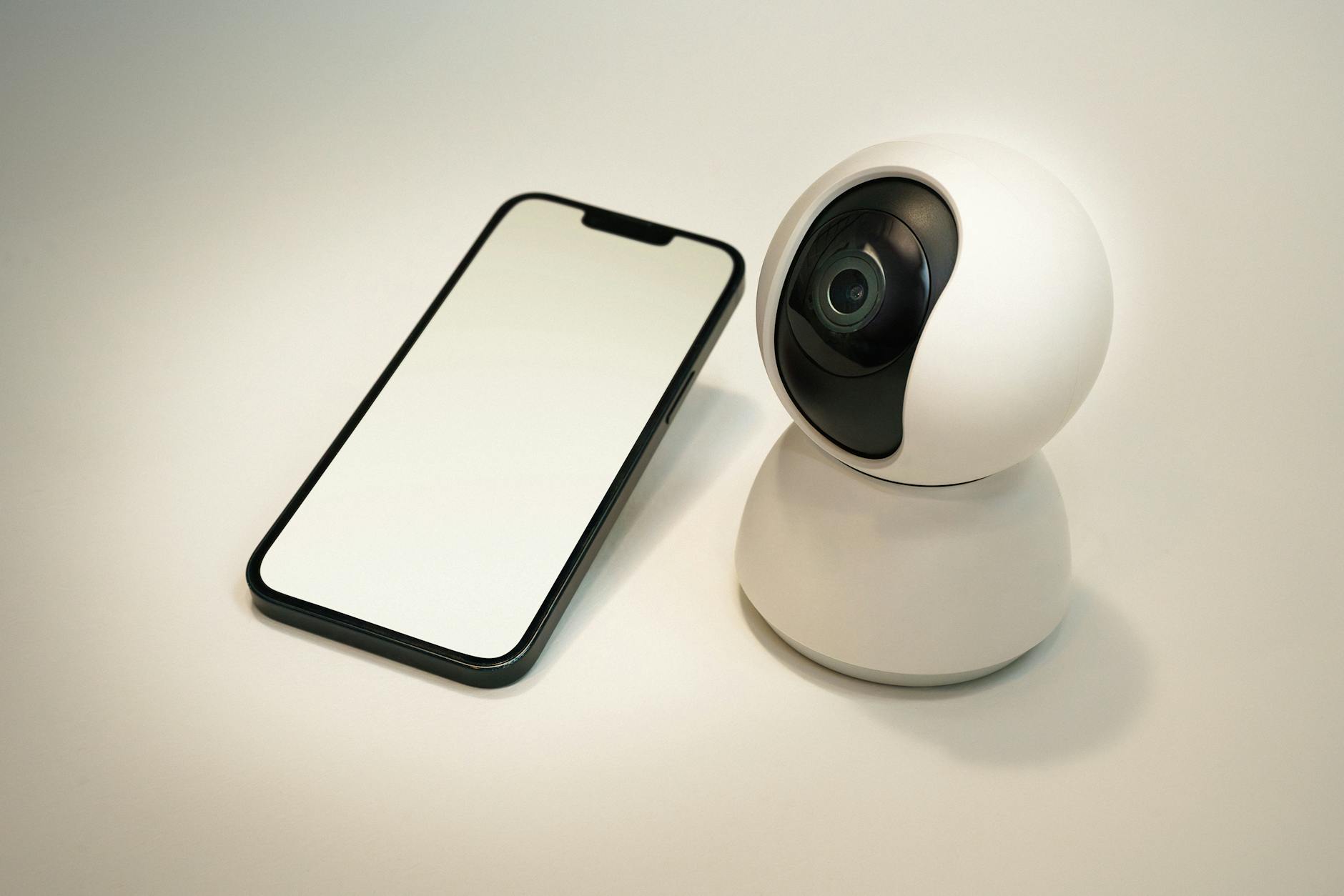
Researchers and developers have created an application that exploits a fascinating technical reality: every smart device that uses wireless communication emits a unique radio frequency fingerprint. Just like no two human fingerprints are identical, different smart glasses models broadcast subtly distinct wireless signals — even when they appear to be idle.
The app works by continuously scanning the surrounding radio environment using your smartphone's wireless detection capabilities. When it identifies a signal pattern that matches the known fingerprint of a smart glasses device, it alerts you in real time. Here's the process broken down:
- Passive scanning: The app runs quietly in the background, monitoring nearby wireless emissions.
- Fingerprint matching: It compares detected signals against a growing database of known smart glasses radio signatures.
- Proximity estimation: The app estimates how close the detected device is to your location.
- Instant alert: You receive a notification — often before the wearer has even had a chance to start recording.
According to reporting by Futurism, the technology demonstrates that even devices in standby mode can be reliably detected, which significantly broadens its usefulness in real-world settings.
The implications are profound. For the first time, ordinary people have a practical tool to reclaim some degree of awareness over who might be surveilling them in public spaces.

Photo by Andrey Matveev on Pexels | Source
Why Smart Glasses Surveillance Is a Growing Threat
To understand why this app matters so much, it helps to grasp just how quickly smart glasses technology has advanced — and how quietly it has crept into everyday life.
The scale of the problem:
- Meta's Ray-Ban smart glasses have sold millions of units globally since their launch and continue to gain traction in 2026.
- New entrants from Asian manufacturers have flooded the market with affordable alternatives, making smart glasses accessible to a much wider audience.
- Camera quality in these devices has improved dramatically, with some models now capable of capturing high-definition video for extended periods.
- Battery life improvements mean wearers can use them for hours on a single charge.
Meanwhile, legal frameworks have struggled to keep pace. In most jurisdictions, recording in public spaces is broadly legal, even without the consent of those being recorded. The burden falls entirely on individuals to protect their own privacy — a responsibility they previously had almost no technical means to fulfill.
Universities, corporate boardrooms, government facilities, and healthcare settings are among the environments where unauthorized recording via smart glasses poses the most serious risks. But the issue extends to everyday situations: job interviews, first dates, support group meetings, and private conversations in shared spaces.
What This Means for Smart Glasses Manufacturers
The emergence of detection technology is likely to send shockwaves through the smart glasses industry. Companies like Meta, Ray-Ban's parent, and newer players in the space will face increasing pressure to implement more visible recording indicators — a debate that has been simmering for years.
Some advocates are already calling for regulatory requirements mandating that smart glasses include:
- Always-on LED indicators that illuminate whenever the camera is active
- Audible tones when recording begins, similar to smartphone camera shutter sounds
- Geo-fencing restrictions that automatically disable recording capabilities in sensitive locations
- Verified consent systems that notify nearby devices before recording begins
Manufacturers have historically resisted these requirements, arguing that they undermine the seamless user experience that makes smart glasses appealing in the first place. But with detection apps now available to consumers, the dynamic may be shifting. Privacy-conscious users now have leverage they didn't have before.

Photo by Markus Winkler on Pexels | Source
Practical Tips: How to Protect Your Privacy From Smart Glasses
While the new detection app is a significant step forward, it's just one tool in a broader privacy toolkit. Here are actionable steps you can take right now:
Using the Detection App:
- Download and keep it updated regularly, as new smart glasses models require database updates to be detectable.
- Enable background scanning in high-risk environments like business meetings, healthcare appointments, or private social gatherings.
- Pay attention to proximity alerts — a strong signal suggests the device is very close.
Behavioral Adjustments:
- Be aware of your surroundings in public. Smart glasses often look like standard eyewear; the giveaway is usually the slightly thicker frame arms.
- For sensitive conversations, consider stepping into a private room rather than speaking openly in shared spaces.
- If you're hosting private events, consider requesting that guests remove smart eyewear — just as some venues ask guests to check cameras.
Broader Digital Hygiene:
- Use encrypted messaging apps for sensitive communications.
- Regularly audit your social media privacy settings to control what others can tag or post about you.
- Stay informed about your local laws regarding recording consent — some states and countries have stricter "two-party consent" laws that may offer additional protections.
The Bigger Picture: Privacy in the Age of Wearable AI
The smart glasses detection app is more than just a clever tech solution — it's a symptom of a much larger tension that defines life in 2026: the collision between the convenience of wearable AI and the fundamental human expectation of privacy.
As AI capabilities are increasingly embedded into everyday objects — glasses, earbuds, rings, watches — the ability to surveil others invisibly becomes more democratized. This isn't inherently malicious; most smart glasses users are simply enjoying the technology for legitimate personal use. But the potential for abuse is real and growing.
Technology companies, lawmakers, and civil society organizations are all grappling with where to draw the line. The emergence of consumer-grade detection tools suggests that the market itself may start forcing accountability where regulation has been slow to act.
For you, the reader, the most important takeaway is this: your privacy is worth defending actively, not passively. The tools to do so are improving rapidly, and staying informed is your first and most powerful line of defense.
Whether you're a business professional protecting sensitive conversations, a parent concerned about children's privacy, or simply someone who values the right to exist in public without being recorded, the new smart glasses detection app represents a meaningful — if imperfect — step toward a more transparent digital world.
Stay sharp. Stay informed. And maybe keep an eye on who's wearing glasses next time you're out.
Frequently Asked Questions
What smart glasses can the new detection app identify? The app can identify smart glasses from major manufacturers including Meta's Ray-Ban series and several other popular models by matching their unique radio frequency signatures. The database is regularly updated to include new devices as they enter the market.
Is it legal to use a smart glasses detection app? In most countries, passively scanning the radio environment around you is legal, as it does not intercept or decode actual communications — it only detects the presence of a wireless device. However, laws vary by jurisdiction, so it's worth checking local regulations before use.
How accurate is the radio fingerprint detection technology? The technology has shown strong accuracy in controlled research settings, though real-world performance can vary depending on environmental radio interference and how many wireless devices are present nearby. False positives are possible in crowded tech environments.
Can smart glasses be modified to avoid detection? In theory, manufacturers could release firmware updates to alter how their devices broadcast wireless signals, potentially evading detection. This is one reason why developers of detection apps emphasize the importance of frequent database and app updates.
Are there privacy laws specifically covering smart glasses recording? As of early 2026, very few jurisdictions have laws specifically addressing smart glasses recording. Most existing privacy laws were written for traditional cameras and smartphones. Advocacy groups are actively pushing for updated legislation, but comprehensive smart glasses-specific regulations remain largely absent worldwide.
Frequently Asked Questions
What smart glasses can the new detection app identify?
The app can identify smart glasses from major manufacturers including Meta's Ray-Ban series and several other popular models by matching their unique radio frequency signatures. The database is regularly updated to include new devices as they enter the market.
Is it legal to use a smart glasses detection app?
In most countries, passively scanning the radio environment around you is legal, as it does not intercept or decode actual communications — it only detects the presence of a wireless device. However, laws vary by jurisdiction, so it's worth checking local regulations before use.
How accurate is the radio fingerprint detection technology?
The technology has shown strong accuracy in controlled research settings, though real-world performance can vary depending on environmental radio interference and how many wireless devices are present nearby. False positives are possible in crowded tech environments.
Can smart glasses be modified to avoid detection?
In theory, manufacturers could release firmware updates to alter how their devices broadcast wireless signals, potentially evading detection. This is one reason why developers of detection apps emphasize the importance of frequent database and app updates.
Are there privacy laws specifically covering smart glasses recording?
As of early 2026, very few jurisdictions have laws specifically addressing smart glasses recording. Most existing privacy laws were written for traditional cameras and smartphones. Advocacy groups are actively pushing for updated legislation, but comprehensive smart glasses-specific regulations remain largely absent worldwide.


