
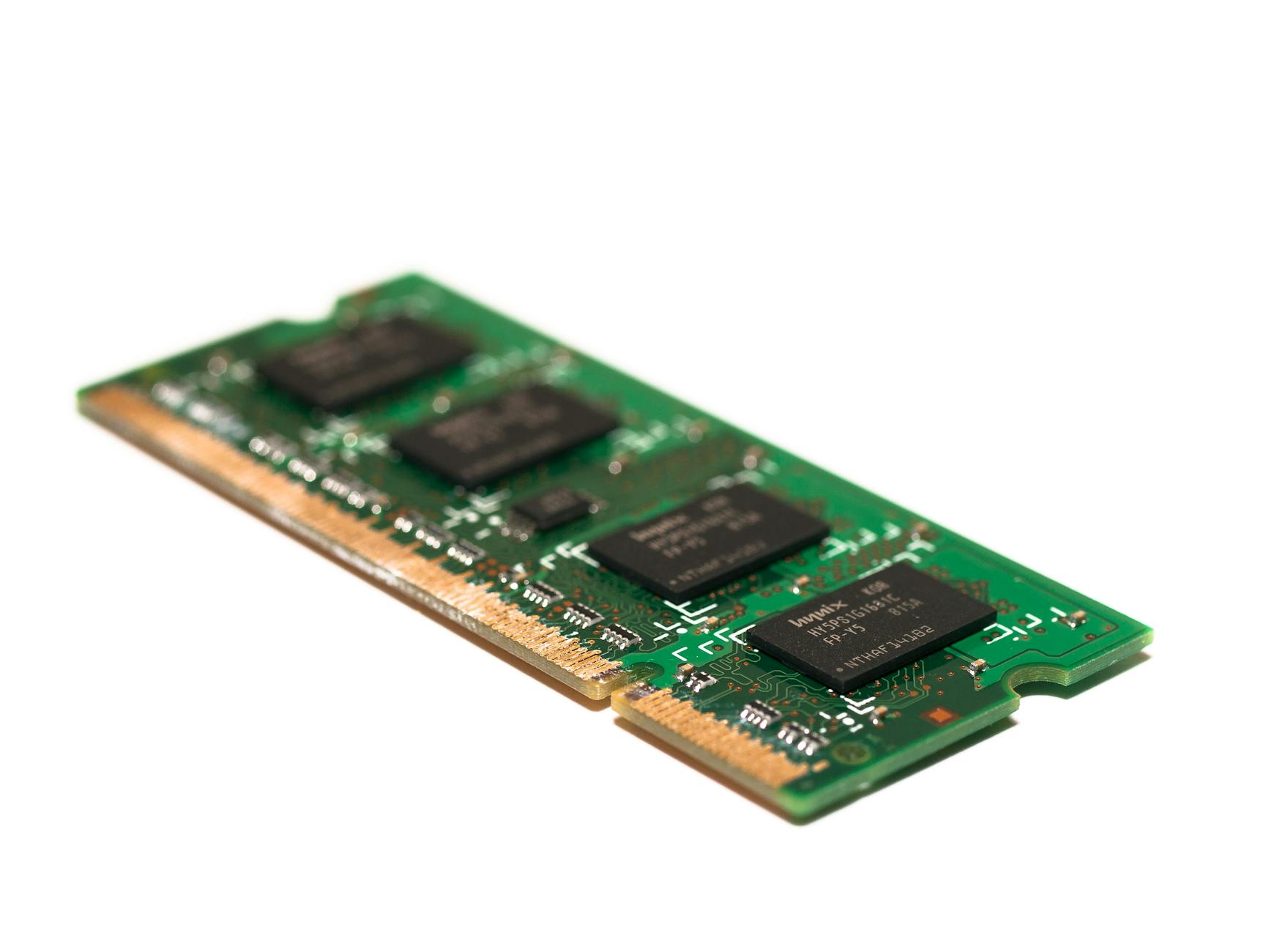
Memory Price Hikes 2026: How Rising RAM Costs Kill Budget PCs and Smartphones
For millions of consumers who rely on affordable laptops, desktop computers, and budget smartphones, alarming news has emerged this week: soaring memory prices are threatening to make entry-level devices a thing of the past. According to a report from The Register, published in the past several days, the ongoing surge in DRAM and NAND flash memory pricing is placing enormous pressure on manufacturers who have long subsidized affordable device categories with thin margins and low-cost components.
The implications are wide-reaching — from college students purchasing their first laptop to developing-world consumers accessing smartphones for the first time. Industry analysts and supply chain experts are warning that the era of the truly budget PC and sub-$150 smartphone may be coming to an end, at least temporarily.

Photo by Mikhail Nilov on Pexels | Source
What Is Driving the Memory Price Surge in 2026?
According to reporting by The Register, the current spike in memory pricing stems from a combination of factors that have converged in early 2026:
- AI infrastructure demand: The explosive growth of artificial intelligence data centers has dramatically increased demand for high-bandwidth memory (HBM) and enterprise-grade DRAM. Major chipmakers are prioritizing production of premium memory variants to serve hyperscalers like Microsoft, Google, and Amazon over consumer-grade components.
- Constrained manufacturing capacity: Leading memory manufacturers, including Samsung, SK Hynix, and Micron, have been retooling fabrication plants to accommodate next-generation memory processes. This transition has temporarily reduced output of standard DRAM and NAND flash chips.
- Geopolitical supply chain pressures: Ongoing trade tensions and export restrictions between the United States and China have disrupted the flow of raw materials and finished memory chips across key manufacturing corridors in Asia.
- Post-correction rebound: After a prolonged period of memory oversupply and rock-bottom prices in 2023 and 2024, the market has swung dramatically in the opposite direction, with spot prices for DDR5 and LPDDR5 modules rising sharply.
These factors together have created what analysts described as a "perfect storm" for memory pricing — a scenario that ultimately punishes the consumers least able to afford it.

Photo by Andrey Matveev on Pexels | Source
Who Gets Hit Hardest: Budget PC and Smartphone Buyers
The impact on affordable consumer devices is already becoming evident. According to The Register's analysis, manufacturers of budget PCs — those priced below $400 — are finding it increasingly difficult to maintain their price points while meeting even minimum memory specifications. A laptop that once shipped with 8GB of LPDDR4X RAM at a comfortable margin is now seeing that component cost rise significantly, squeezing already razor-thin profit margins.
The situation in the smartphone market is similarly grim for budget-tier devices. Manufacturers producing phones in the $100–$200 range, which are particularly important in markets across Southeast Asia, Latin America, and Sub-Saharan Africa, are caught between absorbing higher component costs or passing them on to consumers who may simply be priced out of the market.
Key segments most affected include:
- Chromebooks and education-focused laptops: Schools and districts that rely on affordable Chromebooks for student computing face potential price increases or reduced memory configurations.
- Entry-level Android smartphones: Devices in the $100–$200 range, critical for first-time smartphone adopters in emerging markets, face the steepest proportional cost increases.
- Budget desktop PCs: Pre-built systems targeting home users and small businesses operating on tight technology budgets.
- Refurbished and secondary market devices: Even the used device market could see price increases as consumers who cannot afford new devices drive up demand for older hardware.
For manufacturers, the choices are stark: absorb the cost increases and accept lower margins, reduce memory specifications (shipping 4GB devices where 6GB or 8GB was becoming standard), or raise retail prices and risk losing customers entirely.
The Broader Technology Ecosystem Impact
Beyond individual consumers, the memory price surge carries significant implications for the broader technology ecosystem. According to industry observers cited in recent reporting, software developers and operating system vendors may find themselves facing a renewed "fragmentation" problem — a scenario where a growing portion of installed devices operate with insufficient memory to run modern applications smoothly.
Microsoft, which has been pushing Windows 11's minimum requirements higher, and Google, which sets baseline Android specifications for device certification, could face pressure to maintain or roll back hardware requirements to accommodate a market constrained by component costs.
There is also a notable environmental dimension to this story. If budget devices become unaffordable or ship with reduced memory configurations that limit their useful lifespan, consumers may be forced to replace devices more frequently — contributing to the growing global problem of electronic waste.
Photo by RDNE Stock project on Pexels | Source
What Consumers and Buyers Should Do Right Now
For consumers who are considering a budget PC or smartphone purchase in 2026, the current market dynamics suggest several practical considerations:
- Buy sooner rather than later: If prices are expected to continue rising in the near term, purchasing a device now — before further price increases take effect at retail — may be advantageous.
- Prioritize memory configuration: When choosing between two similarly priced devices, prioritize the one with more RAM, as upgrading memory post-purchase is impossible on most modern laptops and all smartphones.
- Consider refurbished mid-range devices: A refurbished mid-range device from one or two generations ago may offer better value than a new budget device with constrained specs.
- Watch for manufacturer promotions: As price-sensitive consumers pull back from purchases, some manufacturers may offer promotions or bundle deals to maintain sales volume.
- Monitor memory spot price indices: Resources like DRAMeXchange provide real-time data on memory pricing trends, offering insight into when the market may stabilize.
Industry Outlook: When Will Prices Stabilize?
According to recent analyst commentary referenced in technology reporting this week, the memory market is not expected to see meaningful price relief until later in 2026, at the earliest — and only if AI data center demand moderates or manufacturers successfully bring additional high-volume production capacity online.
Some analysts have pointed to the possibility that leading memory makers, flush with premium revenues from enterprise customers, may deliberately manage supply to maintain elevated pricing — a strategy that has been employed in previous memory market cycles.
For the budget technology market, the message from this week's reporting is sobering: the democratic promise of affordable computing faces one of its more serious tests in recent memory market history. Whether manufacturers, policymakers, or market forces can provide relief remains an open — and consequential — question for millions of consumers worldwide.
Frequently Asked Questions
Why are memory prices rising so much in 2026?
Memory prices in 2026 are rising primarily due to surging demand from AI data centers competing for high-bandwidth memory chips, combined with constrained manufacturing capacity as chipmakers retool factories for next-generation memory processes. Geopolitical trade tensions affecting Asian supply chains have further limited availability of standard consumer-grade DRAM and NAND flash.
How much will memory price hikes affect budget laptop and PC prices?
According to recent industry reporting, budget PCs priced below $400 are among the most vulnerable to memory cost increases, as manufacturers operate on very thin margins in this segment. Consumers may see retail prices rise, memory configurations reduced, or both as manufacturers struggle to absorb component cost increases.
Will budget smartphones become more expensive because of memory shortages?
Yes, budget smartphones in the $100–$200 range are particularly exposed to memory price increases since memory is a significant portion of their total bill of materials. Manufacturers serving emerging markets in Asia, Latin America, and Africa face the toughest choices between raising prices or reducing specs.
When will memory prices go back down in 2026?
Industry analysts cited in recent reporting do not expect meaningful memory price relief until later in 2026 at the earliest, contingent on AI data center demand moderating or new manufacturing capacity coming online. Some analysts warn that memory makers may deliberately manage supply to sustain higher pricing.
What should I do if I need a budget PC or phone right now?
Technology experts suggest that purchasing sooner rather than later may be advantageous given the current upward pricing trajectory. Consumers should also consider well-specified refurbished mid-range devices as an alternative to new budget hardware with potentially reduced memory configurations.


