

Iran Strikes Back: Inside the Most Dangerous Escalation in Years
The Middle East is on fire — and this time, the stakes have never been higher. After the United States and Israel launched a coordinated strike campaign against Iran, Tehran wasted no time retaliating. Iranian forces have now struck US military bases and targeted allies across the Middle East, setting off what many analysts are calling the most dangerous escalation in the region in decades.
If you've been trying to keep up with the rapidly changing headlines, you're not alone. This situation is moving fast, and the consequences — for global security, oil markets, travel, and everyday life — are enormous. Here's a clear, factual breakdown of what's happening, what it means, and what you should watch next.

Photo by Serhii Bondarchuk on Pexels | Source
What Triggered Iran's Retaliation?
The current crisis erupted after US and Israeli forces conducted a series of coordinated strikes against targets inside Iran. The strikes were reported to have hit key military and nuclear-linked infrastructure. In the immediate aftermath, reports emerged suggesting that senior Iranian leadership — including Supreme Leader Ali Khamenei — may have been targeted, though the full picture remains murky and unconfirmed as of this writing.
Iran's response was swift and broad. According to BBC reporting, new strikes have been reported inside Iran even as Tehran launched retaliatory attacks on US military bases and allies spread across the region. This is no longer a contained exchange — it's a cascading crisis with multiple fronts opening up simultaneously.
Here's a quick timeline of what's unfolded:
- US-Israeli strikes on Iran — targeting military infrastructure, reported to include sites tied to Iran's nuclear program.
- Iran confirms retaliation — Iranian state media announced strikes on US bases in the region and warned of more to come.
- Allies put on alert — US partners across the Gulf, including in Iraq and Syria, reported incoming fire or threats.
- Congress scrambles — US lawmakers were largely caught off-guard, with critics from both parties demanding to be briefed before military action.
- Travel chaos begins — flights have been cancelled across the region, and multiple governments have issued urgent travel warnings.
How Congress Is Reacting — and Why It Matters
One of the most significant domestic flashpoints right now is the breakdown in communication between the White House and Capitol Hill. According to Politico, Congress rushed to get briefed as critics from both parties voiced frustration at being left out of the loop before the strikes began.
This matters beyond political drama. Constitutionally, the power to declare war rests with Congress — not the president. The War Powers Resolution requires the executive branch to notify Congress within 48 hours of committing US forces to hostilities. Whether the administration is fully complying with that requirement is already being debated.
Key questions lawmakers are demanding answers to:
- Was there a formal authorization for the Iran strikes?
- What is the defined military objective?
- How long will US forces remain engaged?
- What are the escalation protocols if Iran hits American personnel?
These aren't just procedural questions. The answers will determine whether this remains a limited strike campaign or evolves into something far larger.

Photo by Julien Goettelmann on Pexels | Source
What Americans Actually Think About Iran
Before the strikes began, CBS News conducted a poll on Americans' views regarding Iran. The data painted a nuanced picture: while a significant portion of Americans viewed Iran as a serious national security threat, there was far less consensus on whether military action was the right response. Many respondents expressed concern about the risk of escalation into a broader conflict — concerns that now look prescient.
Public opinion matters here because it shapes political pressure on the administration. If the conflict drags on or American casualties mount, expect that polling to shift — and with it, congressional and public pressure to de-escalate or demand a clearer exit strategy.
The Oil Market Wildcard
Let's talk about something that affects you directly: energy prices. Iran sits at the edge of the Strait of Hormuz — the narrow waterway through which roughly 20% of the world's traded oil flows. Any significant disruption to Hormuz shipping lanes would send oil prices surging globally.
According to Bloomberg, the strikes have already rattled oil markets. Here's what to watch:
- Brent crude prices have been volatile in the aftermath of the strikes — analysts are watching for whether Iran signals intent to disrupt Hormuz traffic.
- Gulf state producers like Saudi Arabia and the UAE are nervously monitoring developments, as their own infrastructure could be in the crosshairs of Iranian retaliation.
- US gasoline prices could spike if supply chains are disrupted, adding yet another inflationary pressure on American households already coping with elevated prices.
If you're invested in energy stocks, ETFs, or commodities, this is a situation that demands close attention right now.
Travel Warnings and Flight Cancellations: What You Need to Know
If you have any travel planned to the Middle East — or even through the region — you need to act now. Flights have been cancelled and multiple governments have issued urgent travel warnings following the strikes and Iran's retaliation, according to BBC reporting.
Countries and regions currently affected include:
- Iran (obviously — no civilian flights operating)
- Iraq (multiple airports reporting disruptions)
- Lebanon and Syria (elevated threat levels)
- Gulf states (on heightened alert, though commercial operations largely continuing for now)
If your travel plans touch any of these areas in the coming days or weeks, check with your airline and government travel advisory pages immediately. Travel insurance policies typically have carve-outs for war or military conflict — read the fine print carefully.
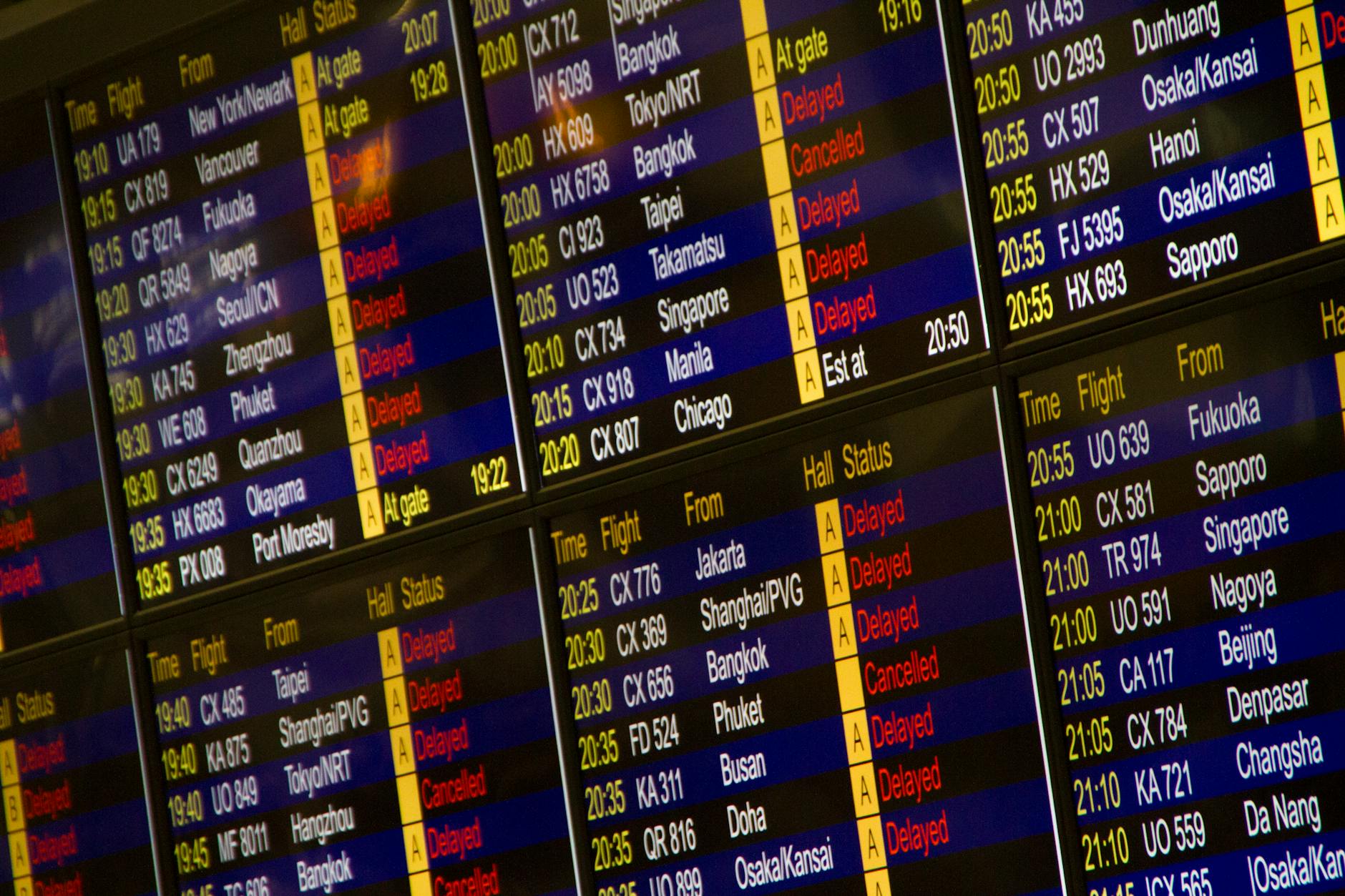
Photo by Oscar Chan on Pexels | Source
What Could Come Next: Three Scenarios
Analysts are laying out a spectrum of possibilities for where this goes from here:
Scenario 1: Limited Exchange, Then De-escalation Both sides conduct a defined number of strikes, signal that their objectives have been met, and back-channel diplomacy begins to cool things down. This is the optimistic scenario — and frankly, the one most experts are hoping for.
Scenario 2: Prolonged Low-Intensity Conflict Iran uses proxies — Hezbollah, Houthi forces, Iraqi militias — to sustain pressure on US and Israeli targets without a direct all-out war. This grinds on for months, keeping oil markets volatile and the region on edge indefinitely.
Scenario 3: Full Escalation Casualties mount, miscalculations occur, and the conflict expands dramatically. This is the scenario that global leaders are working hardest to prevent — but the risk is real, especially if Iranian leadership feels existentially threatened.
What You Can Do Right Now
While geopolitics can feel distant, this crisis has real-world implications:
- Check your gas prices and budget accordingly — prepare for potential spikes at the pump.
- Review any Middle East travel plans immediately and contact your airline or travel agent.
- Monitor your investment portfolio — energy stocks may spike, while broader markets could face volatility.
- Stay informed through reliable sources — BBC, AP, and Reuters are providing real-time updates as the situation develops.
- Follow congressional developments — the debate over war authorization could significantly shape how this conflict unfolds.
The situation in the Middle East is evolving hour by hour. What started as a targeted strike campaign has quickly become something far more complex and dangerous. Staying informed — with facts, not panic — is the best thing you can do right now.
FAQ
What happened between the US, Israel, and Iran in 2026? The US and Israel conducted coordinated strikes against targets inside Iran, reportedly hitting military and nuclear-linked infrastructure. Iran responded by striking US military bases and allies across the Middle East, triggering a serious escalation that has put the region on high alert.
Is it safe to travel to the Middle East right now? Multiple governments have issued urgent travel warnings for the region, and numerous flights have been cancelled. Travelers should check their government's official travel advisory page immediately and contact airlines for updated flight information before making any plans.
How will the US-Iran conflict affect oil prices? Iran's proximity to the Strait of Hormuz — through which about 20% of globally traded oil flows — means any escalation could significantly disrupt supply. Oil markets have already shown volatility, and further escalation could push gasoline prices higher for consumers worldwide.
Did Congress approve the US strikes on Iran? Congress was largely not consulted before the strikes, and lawmakers from both parties have criticized being left out of the loop. The War Powers Resolution requires the president to notify Congress within 48 hours of committing forces to hostilities, and whether the administration fully complied is under scrutiny.
What is the Strait of Hormuz and why does it matter? The Strait of Hormuz is a narrow waterway between Iran and Oman through which a massive portion of the world's oil supply travels. If Iran were to threaten or disrupt shipping in the strait, it could cause an immediate and significant global energy crisis, affecting fuel prices worldwide.
Frequently Asked Questions
What happened between the US, Israel, and Iran in 2026?
The US and Israel conducted coordinated strikes against targets inside Iran, reportedly hitting military and nuclear-linked infrastructure. Iran responded by striking US military bases and allies across the Middle East, triggering a serious escalation that has put the region on high alert.
Is it safe to travel to the Middle East right now?
Multiple governments have issued urgent travel warnings for the region, and numerous flights have been cancelled. Travelers should check their government's official travel advisory page immediately and contact airlines for updated flight information before making any plans.
How will the US-Iran conflict affect oil prices?
Iran's proximity to the Strait of Hormuz — through which about 20% of globally traded oil flows — means any escalation could significantly disrupt supply. Oil markets have already shown volatility, and further escalation could push gasoline prices higher for consumers worldwide.
Did Congress approve the US strikes on Iran?
Congress was largely not consulted before the strikes, and lawmakers from both parties have criticized being left out of the loop. The War Powers Resolution requires the president to notify Congress within 48 hours of committing forces to hostilities, and whether the administration fully complied is under scrutiny.
What is the Strait of Hormuz and why does it matter?
The Strait of Hormuz is a narrow waterway between Iran and Oman through which a massive portion of the world's oil supply travels. If Iran were to threaten or disrupt shipping in the strait, it could cause an immediate and significant global energy crisis, affecting fuel prices worldwide.


