

Gold & Oil Spike 2026: What Iran Strikes Mean for Your Money
If you've been watching the financial headlines over the past few days, you already know that markets are in full-on panic mode. Gold surged, oil prices spiked, stock futures tumbled, and the Middle East's financial infrastructure — including the UAE's stock markets — ground to a halt. The US-Israeli strikes on Iran didn't just reshape geopolitics. They sent shockwaves through every corner of the global economy, and if you have money in the market, a retirement account, or you simply fill up your gas tank, this affects you.
Let's break down exactly what happened, why gold and oil are reacting the way they are, and — most importantly — what smart investors are doing right now.

Photo by Tima Miroshnichenko on Pexels | Source
What Happened to Oil Prices After the Iran Strikes?
Crude oil prices spiked sharply in the immediate aftermath of the US-Israeli military strikes on Iran. This was almost entirely predictable: Iran sits at one of the world's most strategically critical chokepoints — the Strait of Hormuz — through which roughly 20% of the world's traded oil passes every single day.
When military conflict erupts near that corridor, markets don't wait for confirmation of supply disruption. They price in the risk of disruption immediately. Here's what's driving the oil spike:
- Supply uncertainty: Any threat to Iranian oil infrastructure or shipping lanes triggers a fear premium in crude prices.
- OPEC response complexity: While some OPEC producers have moved to boost output following the strikes (per Axios reporting), markets remain skeptical that increased production can fully offset the perceived risk.
- Dow futures fell over 500 points in after-hours trading as oil spiked, signaling that Wall Street is treating this as a major macro risk event.
- Top shipping companies have already begun cutting Middle East bookings, with Dubai port operations suspended — a direct hit to global supply chains.
For everyday consumers, this translates to one very real concern: higher gas prices at the pump. If oil prices remain elevated, expect ripple effects at the gas station within weeks, and broader inflationary pressure on goods transported by fuel-dependent supply chains.
Why Is Gold Surging Right Now?
Gold's reaction was equally swift. Prices spiked as investors rushed to safe-haven assets — a classic "flight to safety" move that happens whenever geopolitical risk escalates dramatically.
Gold thrives in exactly these conditions:
- Geopolitical uncertainty — War or the threat of war almost always drives gold higher.
- Dollar uncertainty — Ironically, while the dollar initially rallied (as it typically does during risk-off events), analysts at The Guardian noted that Trump's Iran strikes are accelerating concerns about long-term dollar dominance, which is structurally bullish for gold.
- Inflation fears — Rising oil prices feed inflation, and gold is historically one of the best inflation hedges available to retail investors.
- Bond and Treasury demand — Bloomberg reported that bonds also rallied alongside gold as traders absorbed the war's market impact, compressing yields and making dividend-paying alternatives more attractive.
If you already hold gold — whether through physical bullion, a gold ETF like GLD or IAU, or gold mining stocks — you're seeing a bump right now. If you don't, the question becomes: is this a buying opportunity or a short-term spike?
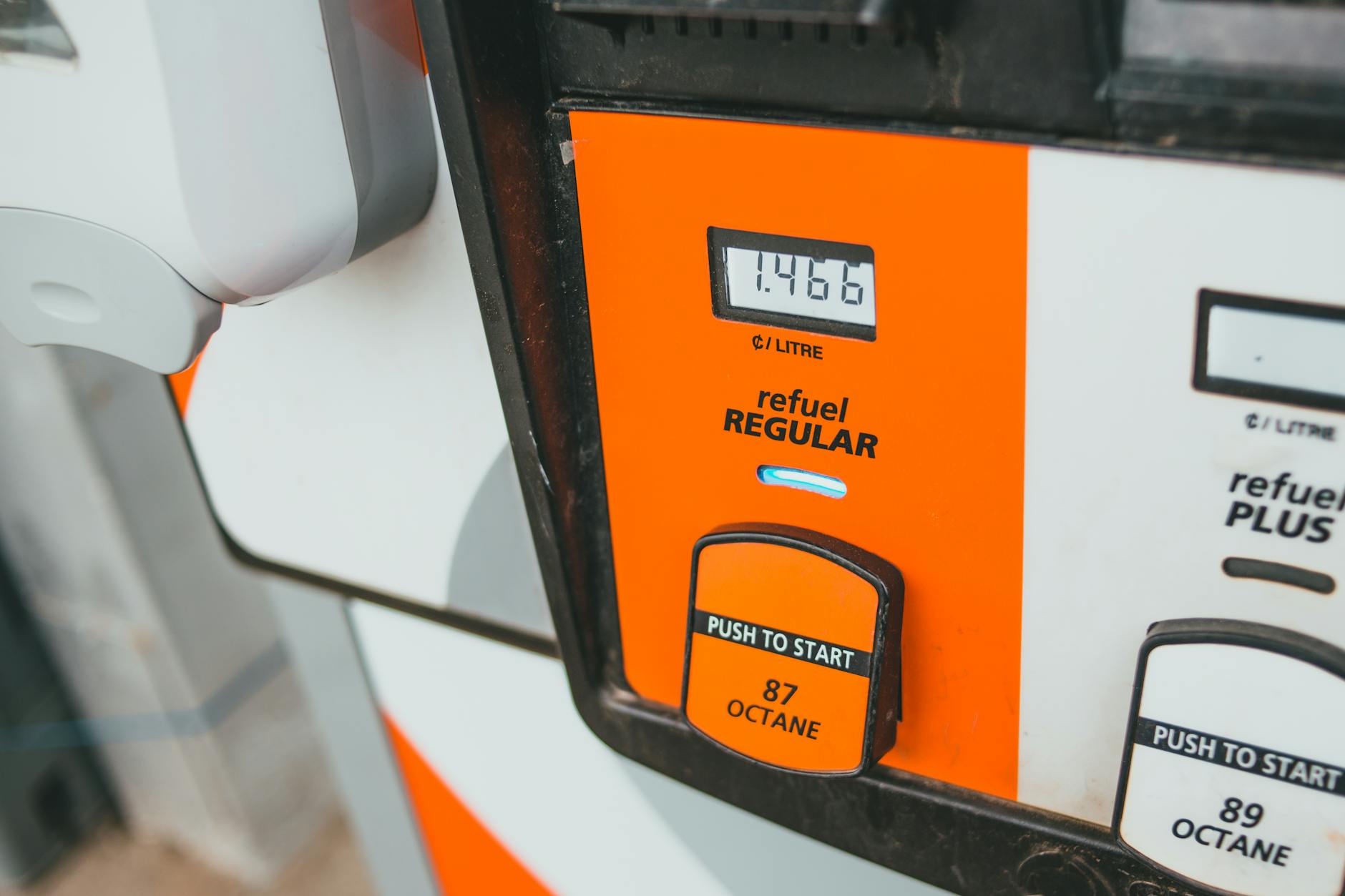
Photo by Erik Mclean on Pexels | Source
What Are Smart Investors Watching This Week?
According to Investopedia, analysts are monitoring three major data clusters this week that will determine whether this market volatility deepens or stabilizes:
1. Iran Developments and Escalation Risk
The most critical variable is straightforward: Does Iran retaliate in ways that directly disrupt oil supply? If Iranian forces target tankers in the Strait of Hormuz or strike regional energy infrastructure, oil could push significantly higher. If diplomatic channels open or the strikes remain contained, markets may partially recover.
2. Jobs Data
The US jobs report remains a major market mover regardless of geopolitical events. A strong jobs number could reinforce the Fed's "higher for longer" posture on rates — bad for growth stocks, potentially good for the dollar short-term.
3. Earnings Reports
Several major companies are reporting this week. Energy sector earnings will be watched especially closely, as companies like ExxonMobil and Chevron are direct beneficiaries of higher oil prices.
The Prediction Market Angle: Insider Trading Accusations
One of the more controversial stories emerging from this crisis involves prediction markets like Kalshi and Polymarket. Business Insider reported that users on these platforms are furious, accusing the platforms of rigged markets and insider trading after contracts related to Iranian leadership spiked in ways that seemed to precede public news by minutes.
This raises real questions about the integrity of prediction markets in wartime scenarios — and whether financial regulators will eventually step in. For now, it's a cautionary tale: don't treat prediction markets as reliable signals during fast-moving geopolitical crises.
How Should You Position Your Portfolio?
Here's the practical playbook most financial advisors are recommending during a crisis like this:
Consider increasing exposure to:
- Gold and precious metals ETFs (GLD, IAU, GDXJ for miners)
- Energy stocks — integrated majors like ExxonMobil or Chevron tend to benefit from oil price spikes
- Defense sector ETFs — companies with government contracts typically see increased demand during military conflicts
- Short-term US Treasuries — bonds rallied as a safe haven, making short-duration Treasuries an attractive low-risk holding
Be cautious with:
- Airline and cruise stocks — fuel costs eat margins, and Middle East travel disruptions hit demand
- Emerging market exposure — particularly any funds with significant Middle East or Pakistani holdings
- Highly leveraged growth stocks — risk-off environments punish high-multiple tech names disproportionately
- Crypto — Bitcoin has shown correlation with risk-off moves during geopolitical crises in recent cycles
Don't panic sell your core holdings. History consistently shows that geopolitical-driven market dips, while sharp, tend to be shorter-lived than recession-driven bear markets. The Gulf War, the 2003 Iraq invasion, and the 2019 Strait of Hormuz tensions all caused temporary spikes followed by normalization.
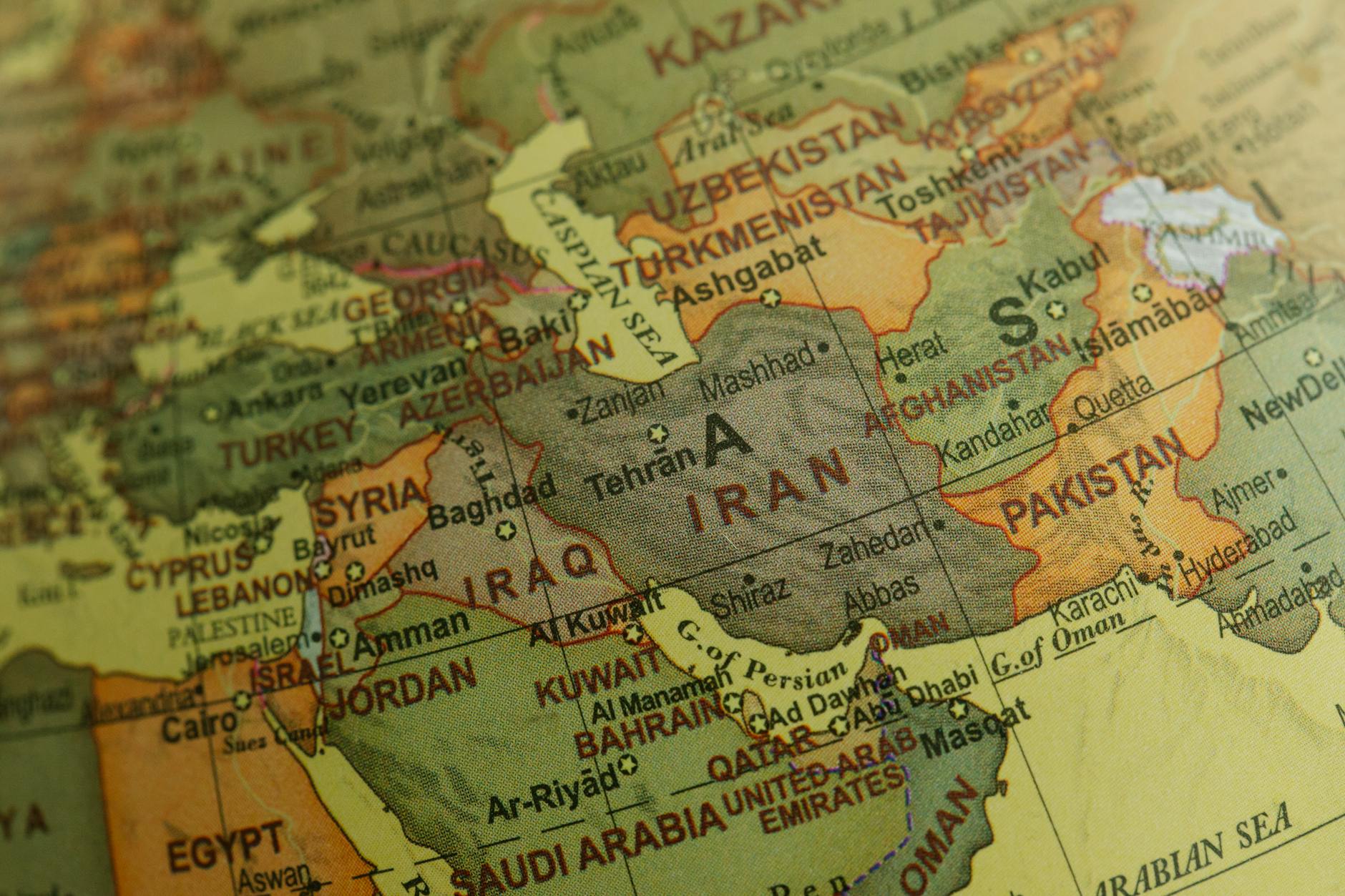
Photo by Lara Jameson on Pexels | Source
The Bigger Picture: Dollar Dominance Under Pressure
Perhaps the most underappreciated financial story embedded in this crisis is what it means for the US dollar's long-term role in the global financial system. Heather Stewart at The Guardian made a compelling argument that Trump's Iran strikes are accelerating the drift away from dollar dominance that has been building since the Russia sanctions in 2022.
When the US uses military force and economic sanctions simultaneously, it incentivizes more countries to build alternative payment systems and reserve currencies. The BRICS nations have been working on exactly this. Every major US military action that disrupts global trade adds fuel to that fire.
For investors, this means gold's long-term bull case is strengthening — not just as a short-term crisis hedge, but as a structural play on dollar diversification. It also means currency risk management should be part of any internationally exposed portfolio.
Bottom Line
The gold and oil spike following the Iran strikes is not just a news headline — it's a live stress test of your portfolio's resilience. The immediate risk is elevated energy prices feeding inflation and supply chain disruptions squeezing corporate margins. The medium-term risk is escalation that pushes oil toward levels that meaningfully slow global economic growth.
The smartest move right now isn't panic. It's review, rebalance, and hedge thoughtfully. Make sure your portfolio has enough defensive positioning to weather further volatility, but don't abandon the long-term allocation strategy that serves your financial goals.
Stay informed, stay diversified, and keep watching those three data points: Iran escalation, jobs data, and earnings. The next few weeks will tell us a lot about where 2026 markets are headed.
FAQ
What happens to oil prices during Middle East conflicts? Oil prices typically spike during Middle East conflicts due to fears of supply disruption, especially near the Strait of Hormuz. The market prices in a risk premium immediately, even before actual supply is affected, which is why prices surged after the US-Israeli strikes on Iran.
Is gold a good investment during geopolitical crises in 2026? Gold has historically been one of the most reliable safe-haven assets during geopolitical crises. In 2026, with both war risk and growing concerns about dollar dominance, many analysts see gold as both a short-term hedge and a longer-term strategic holding worth considering as part of a diversified portfolio.
How do US strikes on Iran affect gas prices for regular consumers? Rising crude oil prices directly translate to higher prices at the pump, typically within two to four weeks of a sustained oil spike. If tensions persist and oil remains elevated, consumers should expect to pay more for gasoline, heating oil, and any goods that rely on fuel-intensive supply chains.
Why did the UAE halt its stock markets after the Iran strikes? The UAE suspended trading on its stock exchanges for two days following the Iran strikes as a precautionary measure to prevent panic selling and protect market stability. The Gulf region's proximity to the conflict and deep economic ties to Iran-adjacent trade routes made the UAE's markets particularly vulnerable to volatility.
Should I sell stocks now because of the Iran conflict? Most financial advisors recommend against panic-selling during geopolitical crises. History shows these events cause sharp but often short-lived market disruptions. A better approach is to review your allocation, consider adding defensive positions like gold or energy stocks, and avoid making emotion-driven decisions with your long-term portfolio.
Frequently Asked Questions
What happens to oil prices during Middle East conflicts?
Oil prices typically spike during Middle East conflicts due to fears of supply disruption, especially near the Strait of Hormuz. The market prices in a risk premium immediately, even before actual supply is affected, which is why prices surged after the US-Israeli strikes on Iran.
Is gold a good investment during geopolitical crises in 2026?
Gold has historically been one of the most reliable safe-haven assets during geopolitical crises. In 2026, with both war risk and growing concerns about dollar dominance, many analysts see gold as both a short-term hedge and a longer-term strategic holding worth considering as part of a diversified portfolio.
How do US strikes on Iran affect gas prices for regular consumers?
Rising crude oil prices directly translate to higher prices at the pump, typically within two to four weeks of a sustained oil spike. If tensions persist and oil remains elevated, consumers should expect to pay more for gasoline, heating oil, and any goods that rely on fuel-intensive supply chains.
Why did the UAE halt its stock markets after the Iran strikes?
The UAE suspended trading on its stock exchanges for two days following the Iran strikes as a precautionary measure to prevent panic selling and protect market stability. The Gulf region's proximity to the conflict and deep economic ties to Iran-adjacent trade routes made the UAE's markets particularly vulnerable to volatility.
Should I sell stocks now because of the Iran conflict?
Most financial advisors recommend against panic-selling during geopolitical crises. History shows these events cause sharp but often short-lived market disruptions. A better approach is to review your allocation, consider adding defensive positions like gold or energy stocks, and avoid making emotion-driven decisions with your long-term portfolio.


