
FAA Moves to Reduce Flights at O'Hare International Airport This Summer
The Federal Aviation Administration is preparing to ask airlines to voluntarily reduce the number of flights operating out of Chicago's O'Hare International Airport this summer, according to a report from ABC7 Chicago published this week. The move signals growing concern among federal aviation officials about congestion, scheduling bottlenecks, and the airport's capacity to handle peak-season traffic — issues that have plagued O'Hare for years but appear to be reaching a critical threshold in 2026.
According to reports, the FAA's request would be directed at airlines operating at O'Hare, one of the busiest airports in the United States, with the agency hoping that voluntary reductions will ease delays and improve the overall passenger experience during the traditionally congested summer travel period. If airlines do not comply voluntarily, regulators could move toward more formal scheduling restrictions — a step that would have significant financial implications for carriers heavily invested in O'Hare operations.

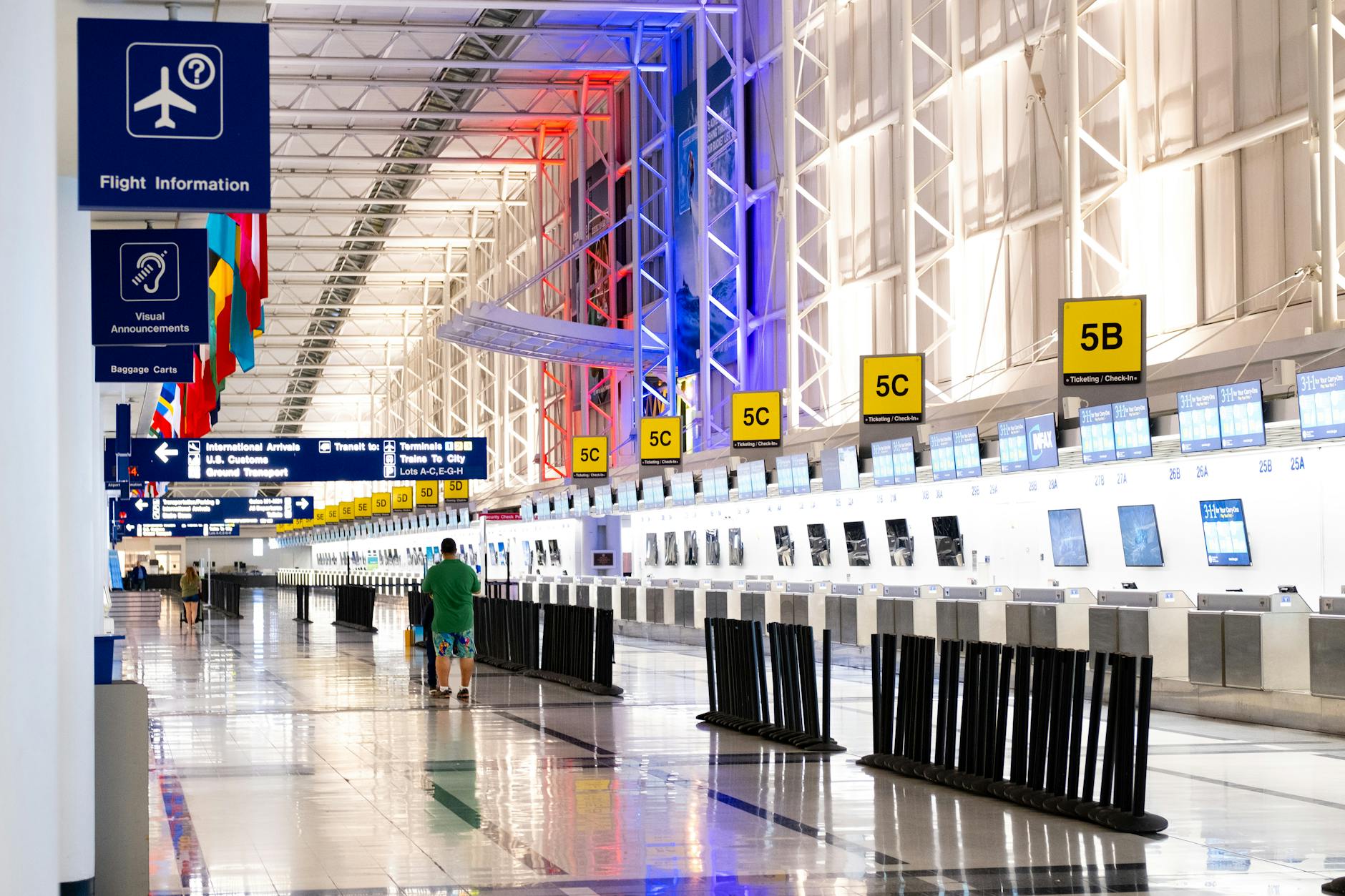
Photo by Peter Xie on Pexels | Source
Why Is the FAA Targeting O'Hare in 2026?
O'Hare International Airport has long been ranked among the most delay-prone major airports in the United States. Summers at O'Hare are particularly problematic, with a combination of factors — including severe Midwest weather patterns, a complex runway configuration, and extremely high flight volumes — regularly leading to cascading delays that ripple across the national air traffic network.
The FAA's decision to intervene ahead of the summer 2026 season reflects a broader regulatory posture shift. According to reports, the agency has been monitoring scheduling data at O'Hare and determined that the current volume of planned summer flights exceeds what the airport can realistically handle without significant disruption. This kind of proactive scheduling management, sometimes called slot control, is already in place at other congested U.S. airports, including John F. Kennedy International Airport and Ronald Reagan Washington National Airport.
Key factors driving the FAA's concern include:
- Runway capacity limitations: O'Hare's layout, while expanded in recent years as part of the O'Hare Modernization Program, still faces operational constraints during peak hours
- Air traffic control staffing: Controller staffing levels at major facilities have been a nationwide concern for the FAA, and busy hubs like O'Hare are particularly sensitive
- Airline scheduling practices: Industry analysts note that airlines frequently schedule more flights than airports can realistically accommodate, banking on some cancellations and delays absorbing the overflow
- Summer weather patterns: The Chicago region regularly experiences thunderstorms and severe weather events during summer months that compound existing capacity issues
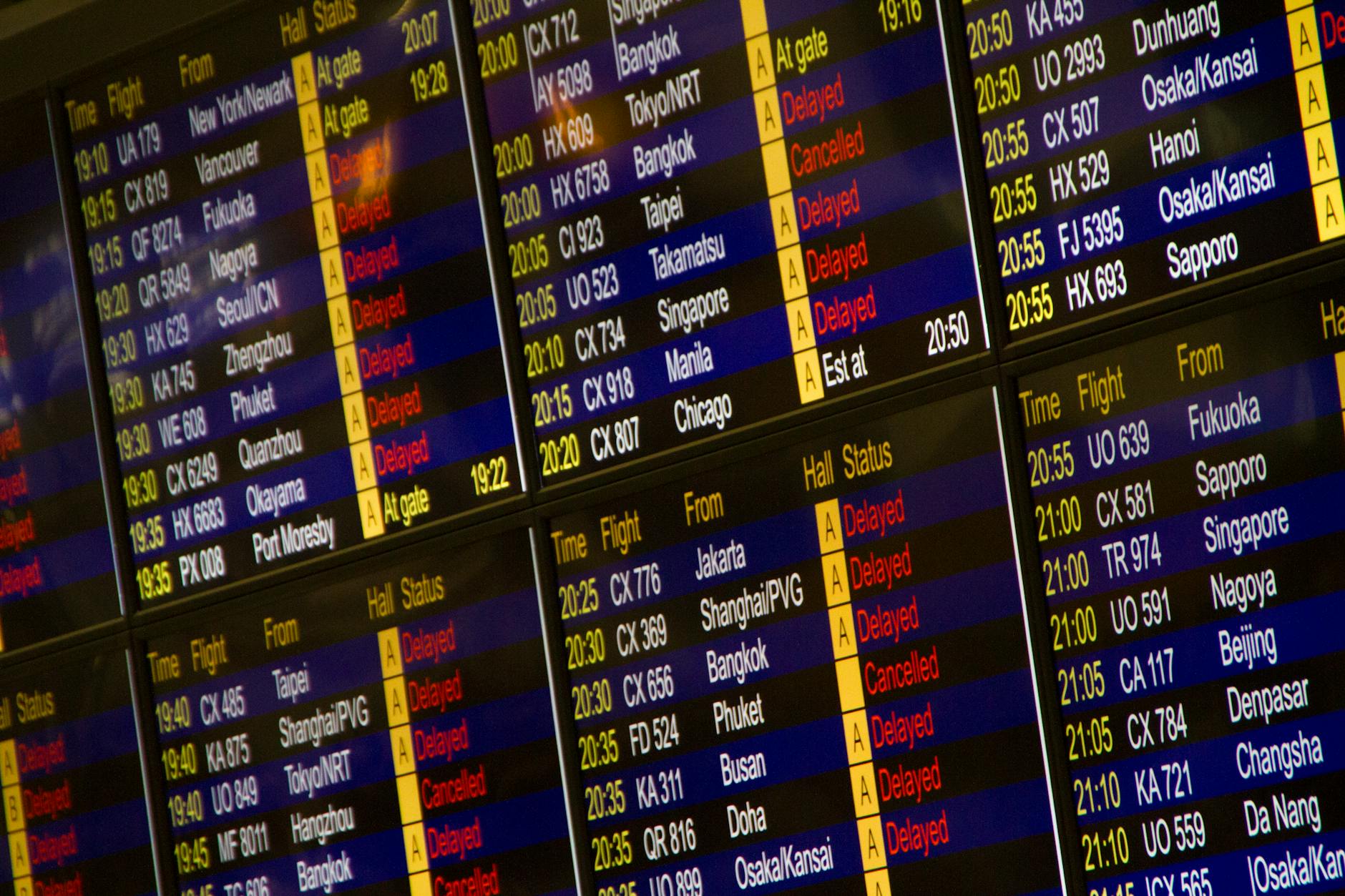
Photo by Oscar Chan on Pexels | Source
Which Airlines Would Be Most Affected?
O'Hare serves as a major hub for two of the largest U.S. carriers: United Airlines and American Airlines. Both carriers operate extensive domestic and international route networks through the airport, meaning any reduction in scheduled flights would directly affect their hub-and-spoke operations.
According to reports, United Airlines operates the largest share of flights at O'Hare, making it the carrier most likely to face pressure to reduce its summer schedule. American Airlines, which also maintains a significant presence at the airport, would similarly be expected to participate in any voluntary reduction program.
Smaller carriers and low-cost airlines operating at O'Hare — including Southwest Airlines, which operates from Terminal 5, and various international carriers — would also be part of any FAA-coordinated scheduling discussions.
For travelers, the practical implications of flight reductions could include:
- Fewer direct flight options on popular summer routes
- Higher fares on remaining flights as seat supply tightens
- Earlier booking requirements for popular departure times
- Increased load factors on operating flights, reducing flexibility for last-minute changes
What This Means for Summer 2026 Travel Plans
For the millions of passengers who travel through O'Hare each year, the FAA's intervention carries real practical consequences — even if the agency's goal is ultimately to improve the travel experience by reducing delays.
Travel experts have long advised that O'Hare passengers book early-morning flights when possible, as delays tend to compound throughout the day. If the FAA's flight reduction request is implemented, passengers should expect the summer 2026 schedule at O'Hare to look somewhat different from what airlines originally published.
According to reports, the FAA is in the early stages of communicating its intentions to airlines, meaning the specific scope and timeline of any reductions had not been formally announced as of the time of reporting. The agency typically works through a negotiation process with carriers before finalizing any schedule reduction program.
What travelers can do now:
- Monitor airline schedule updates for any changes to planned summer flights at O'Hare
- Consider alternative Chicago-area airports, including Midway International Airport (MDW), which is served primarily by Southwest Airlines and sees significantly less congestion
- Purchase refundable or flexible tickets where possible, given the likelihood of schedule adjustments
- Sign up for flight status alerts to stay informed about changes to specific itineraries
- Book early in the day to minimize the risk of cascading delays

Photo by Quintin Gellar on Pexels | Source
The Broader Context: FAA Capacity Management in 2026
The FAA's move at O'Hare is part of a broader pattern of federal aviation regulators taking a more active role in managing airport capacity at the nation's busiest hubs. The agency has faced sustained criticism in recent years over systemic delay issues, and congressional pressure has grown for the FAA to take more decisive action ahead of peak travel seasons.
The U.S. aviation system is still working through a post-pandemic restructuring of route networks, with airlines having significantly expanded their schedules in response to strong travel demand. According to industry analysts, this expansion has in some cases outpaced the infrastructure and staffing capacity of major airports — a mismatch the FAA appears increasingly willing to address through direct intervention.
Chicago's O'Hare is a particularly high-stakes location for any such intervention given its role as a critical connecting hub for transcontinental and international travel. Delays at O'Hare frequently affect flights across the country, making it a pressure point for the entire national air traffic system.
Whether airlines will comply voluntarily with the FAA's request — or whether the agency will need to escalate to mandatory scheduling restrictions — remains to be seen. The negotiations between the FAA and major carriers are expected to continue in the coming weeks, with any formal schedule changes likely to be announced before airlines finalize their summer 2026 published timetables.
For now, travelers with summer plans through O'Hare should keep a close eye on developing news and be prepared to adjust their itineraries as more details emerge from ongoing FAA-airline discussions.
Frequently Asked Questions
Why is the FAA asking airlines to reduce flights at O'Hare in 2026?
The FAA is concerned that the volume of planned summer 2026 flights at O'Hare exceeds what the airport can handle without significant delays. The agency is seeking voluntary reductions to ease congestion and improve overall on-time performance across the national air network.
Which airlines will be most affected by O'Hare flight cuts?
United Airlines and American Airlines, which operate the largest flight volumes at O'Hare, are expected to bear the greatest impact from any FAA-directed reductions. Other carriers operating at the airport would also be part of any scheduling discussions.
Will the FAA's O'Hare flight cuts make summer travel more expensive?
If fewer flights operate, reduced seat supply could push fares higher on popular summer routes through O'Hare. Travelers are advised to book early and consider alternative airports like Chicago Midway to manage costs.
When will the FAA announce formal flight reduction rules for O'Hare?
As of late February 2026, the FAA was in early-stage discussions with airlines about voluntary reductions. Formal schedule changes, if implemented, are expected to be announced before airlines finalize their published summer timetables.
Is Chicago Midway airport a good alternative to O'Hare this summer?
Chicago Midway (MDW) sees significantly less congestion than O'Hare and is served primarily by Southwest Airlines. For travelers with flexible plans, Midway can be a practical alternative during peak summer travel periods.


