
Markets Take a Major Hit as Inflation Surges Again
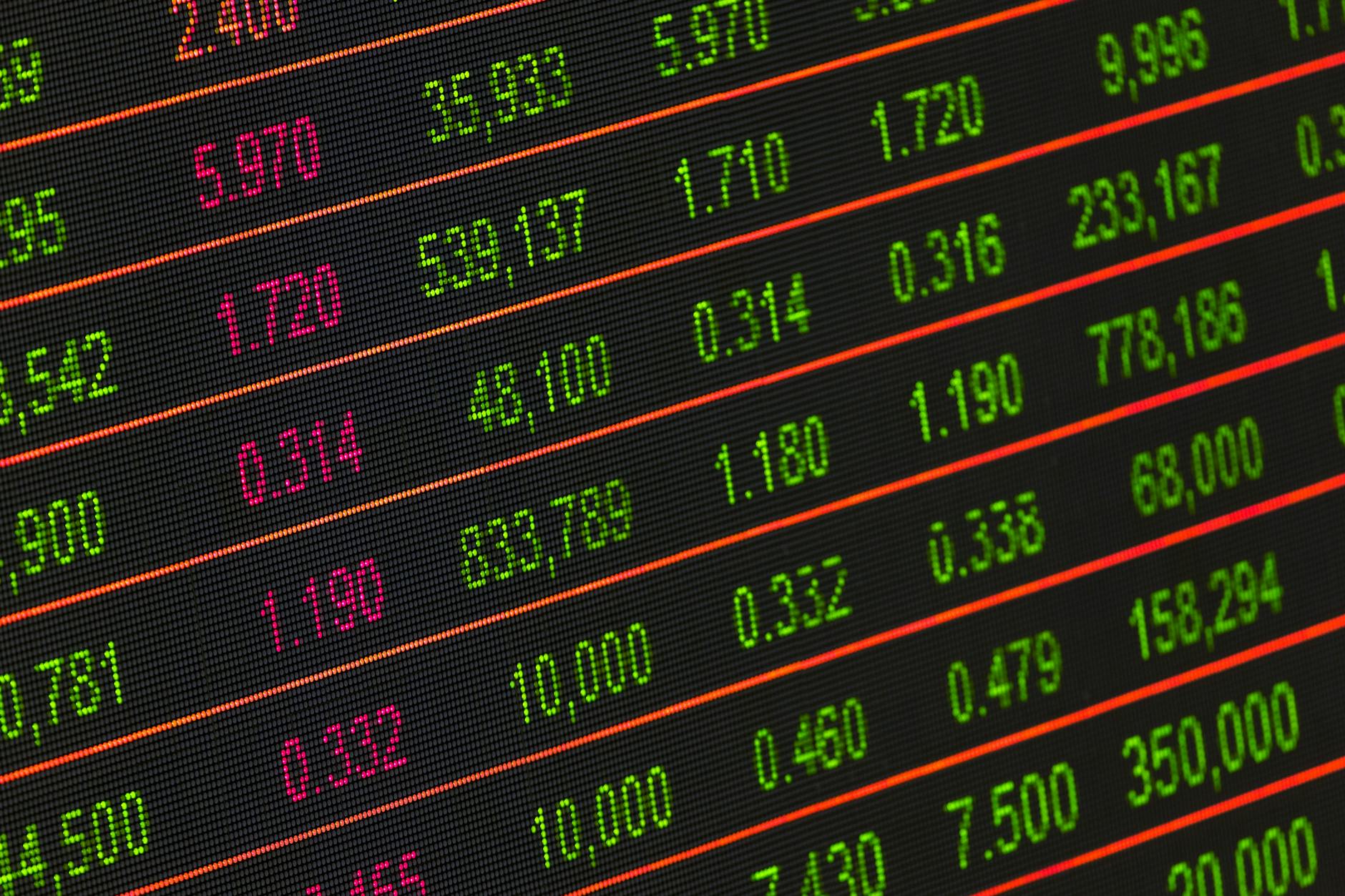
U.S. stock markets suffered a sharp selloff this week, with the Dow Jones Industrial Average tumbling approximately 600 points following the release of hotter-than-expected inflation data, according to reports from CNBC. The sharp decline rattled investors already on edge about the broader economic outlook and the sustainability of the artificial intelligence-driven rally that has defined markets over the past two years. The combination of persistent inflationary pressure, rising wholesale prices, and mounting anxiety about AI's real-world profitability sent shockwaves across Wall Street on February 27, 2026.
According to data reported by Yahoo Finance, U.S. wholesale prices rose 0.5% from December and were up 2.9% compared to a year ago — both figures arriving hotter than economists had anticipated. The Producer Price Index (PPI), which measures what producers receive for goods and services and is often seen as a leading indicator of consumer inflation, suggests that price pressures remain stubbornly embedded in the supply chain. This data significantly complicates the Federal Reserve's path forward on interest rate policy, as markets had been pricing in at least two rate cuts in 2026.

Photo by Arturo Añez. on Pexels | Source
Nvidia's Disappointing Market Reaction Amplifies Fears
Adding fuel to the fire, Nvidia's stock dropped despite the company releasing a bullish fourth-quarter earnings report, according to Investor's Business Daily. The paradox — strong earnings yet falling stock price — underscores a growing anxiety among investors: that the era of easy AI-driven gains may be plateauing. Nvidia has been the poster child of the AI investment boom, and when even blockbuster results fail to move markets upward, it signals a potential sentiment shift among institutional and retail investors alike.
Analysts have pointed to what they describe as "AI angst" — a growing concern that the enormous capital expenditures being poured into artificial intelligence infrastructure by companies like Microsoft, Google, Amazon, and Meta may not translate into near-term profitability at the scale investors have been pricing in. According to reports, OpenAI's recent $110 billion fundraising round, while historic, has also raised questions about valuation sustainability and whether the AI sector as a whole has become overextended.
Key factors driving the market selloff, according to financial analysts and reporting:
- Hotter-than-expected PPI data signaling persistent inflation throughout the supply chain
- Nvidia stock declining despite a strong Q4 report, reflecting AI-sector fatigue
- Federal Reserve rate cut expectations being dialed back as inflation re-accelerates
- Broad risk-off sentiment affecting technology, growth, and momentum stocks
- Mounting concerns about AI capital expenditure returns across major tech companies

Photo by Nana Dua on Pexels | Source
What the Inflation Numbers Actually Mean
The Producer Price Index rising 2.9% year-over-year is a significant data point that deserves careful unpacking. While this figure remains below the peak inflation levels seen in 2022, it represents a troubling re-acceleration after several months of cooling. Economists speaking to financial outlets have noted that the services component of PPI — which includes transportation, finance, and healthcare-adjacent services — has been particularly sticky, suggesting that inflation is not simply a goods-market phenomenon that will resolve itself naturally.
For everyday Americans, hotter wholesale prices typically translate into higher consumer prices within weeks to months, as businesses pass on input costs. This dynamic is especially concerning given that the Federal Reserve has already paused its rate-cutting cycle in early 2026 after initiating modest reductions in late 2025. A re-acceleration in inflation could force the Fed to adopt a more hawkish stance — or at minimum, delay further rate relief significantly.
According to reporting from CNBC, bond markets responded swiftly to the PPI data, with Treasury yields spiking as investors recalibrated their expectations for monetary policy. Higher yields tend to put downward pressure on equity valuations, particularly for high-multiple growth and technology stocks — exactly the type of companies that have led the market higher over the past 18 months.
The AI Investment Reckoning
Perhaps the most structurally significant aspect of this week's market turbulence is what it reveals about investor sentiment toward artificial intelligence. For much of 2024 and 2025, AI was treated as an almost unconditional positive for corporate earnings and productivity. Companies with AI exposure — from semiconductor makers to cloud providers to software platforms — received premium valuations on the assumption that AI adoption would rapidly generate outsized returns.
That narrative is now being stress-tested. According to reporting from multiple financial outlets, institutional investors are increasingly asking hard questions:
- When will AI capital expenditures translate into measurable revenue?
- Are current AI valuations sustainable given persistent macro headwinds?
- How does a higher-for-longer interest rate environment affect growth stock multiples?
Nvidia's Q4 results — strong by any historical standard — failed to impress a market that had priced in near-perfection. This dynamic is consistent with what analysts call a "buy the rumor, sell the news" pattern, but the scale of the post-earnings decline suggests something deeper: a fundamental reassessment of how much premium investors are willing to pay for AI-adjacent growth.

Photo by Jermaine Lewis on Pexels | Source
What Investors Should Be Watching Now
With markets in a volatile state and macro data pointing in a concerning direction, financial analysts speaking to outlets like CNBC and Investor's Business Daily have outlined several key indicators that investors should monitor closely in the coming weeks.
Consumer Price Index (CPI) Data: The next CPI reading will be critical in confirming or refuting the inflationary re-acceleration signal sent by PPI. If CPI also comes in hotter than expected, pressure on the Federal Reserve will intensify significantly.
Federal Reserve Communications: Fed Chair Jerome Powell's upcoming congressional testimony and public remarks will be closely parsed for any shift in tone regarding the rate outlook. Markets are particularly sensitive to any language suggesting rate hikes are back on the table.
Earnings from Major Tech Companies: As Q4 2025 earnings season winds down, forward guidance from major AI spenders — including Microsoft, Alphabet, and Meta — will give investors a clearer picture of whether AI monetization is accelerating or stalling.
Treasury Yield Movements: The 10-year Treasury yield serves as a critical benchmark. Sustained moves above key psychological thresholds tend to trigger further rotation out of growth stocks and into value or defensive sectors.
For long-term investors, financial advisors consistently emphasize the importance of avoiding panic selling during sharp single-day declines, particularly when those declines are driven by macro data rather than fundamental deterioration in specific companies. However, the confluence of inflation re-acceleration and AI-sector skepticism does represent a meaningful shift in the risk landscape compared to the optimistic conditions that characterized much of 2025.
The Broader Economic Picture
This week's market turbulence does not exist in isolation. It comes against a backdrop of significant economic policy uncertainty, including ongoing tariff disputes, a complicated geopolitical environment, and a Federal Reserve navigating a historically unusual set of economic conditions. According to reporting from Politico, the White House has also been engaged in damage control regarding trade deal frameworks following recent court rulings — adding another layer of policy uncertainty to an already complex market environment.
For American workers, consumers, and retirees with investment portfolios, the message from this week's data is clear: the path to lower interest rates and calmer inflation is not yet secured, and markets will remain sensitive to any data that challenges the soft-landing narrative. Staying informed, diversified, and focused on long-term fundamentals remains the consistent advice from financial professionals navigating this environment.
Frequently Asked Questions
Why did the Dow drop 600 points on February 27, 2026?
The Dow tumbled approximately 600 points following hotter-than-expected wholesale inflation data, with the Producer Price Index rising 0.5% from December and 2.9% year-over-year. Mounting concerns about AI investment returns and Nvidia's stock declining despite strong earnings amplified the selloff.
What does the hot PPI data mean for Federal Reserve rate cuts in 2026?
The hotter-than-expected Producer Price Index reading significantly complicates the Fed's ability to cut interest rates in 2026. If inflation continues to re-accelerate, the Federal Reserve may delay planned rate cuts or even signal a more hawkish policy stance.
Why did Nvidia stock fall despite a strong Q4 earnings report?
Nvidia's stock declined after its Q4 earnings despite strong results, reflecting growing investor anxiety about AI sector valuations and whether massive AI capital expenditures will generate near-term returns. This pattern — known as 'buy the rumor, sell the news' — suggests markets had already priced in strong results.
How does rising wholesale inflation affect everyday consumers?
Rising producer prices typically flow through to consumers within weeks to months, as businesses pass on higher input costs. This means everyday goods and services could become more expensive, reducing purchasing power at a time when many Americans had hoped for inflation relief.
Should investors sell stocks during a 600-point Dow drop?
Financial advisors consistently recommend against panic selling during sharp single-day market declines, particularly when driven by macro data rather than company-specific problems. Long-term investors are generally advised to stay diversified and maintain focus on fundamental investment goals.


