

Marijuana Users and Gun Rights 2026: What the Supreme Court Case Means
A landmark legal battle is unfolding at the United States Supreme Court in late February 2026, one that is drawing unlikely allies from across the political spectrum. According to reporting by the Associated Press, the case centers on a federal law that prohibits marijuana users from owning or purchasing firearms — a statute that is now being challenged on Second Amendment grounds. The outcome could have profound implications for millions of Americans who legally use cannabis under state law but are currently barred from exercising their constitutional right to bear arms under federal statute.
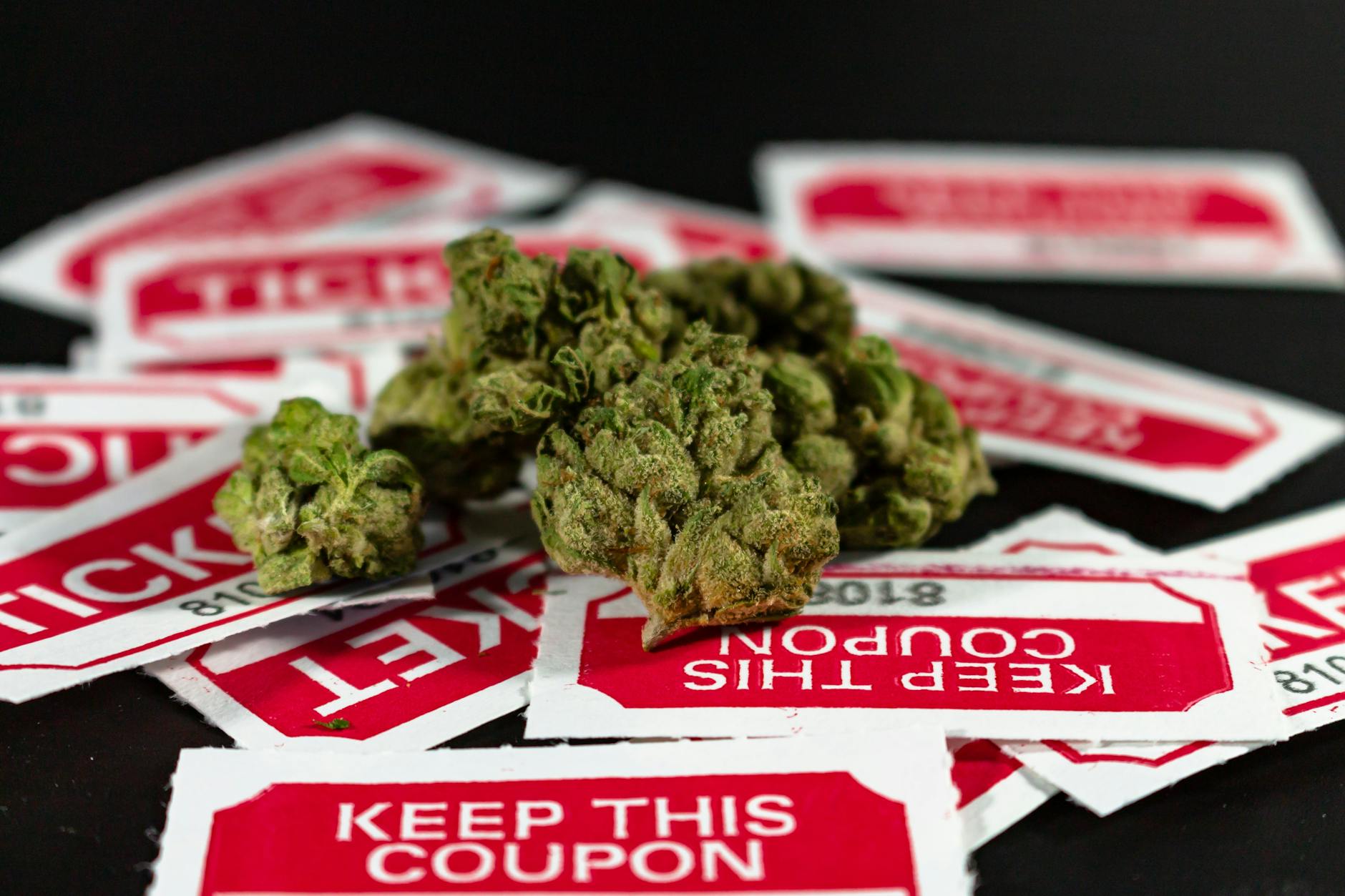
Photo by Terrance Barksdale on Pexels | Source
What Is the Case Actually About?
The federal law in question, 18 U.S.C. § 922(g)(3), makes it a crime for anyone who is an "unlawful user of or addicted to any controlled substance" to possess a firearm. Because marijuana remains a Schedule I controlled substance under federal law — despite being legal for recreational or medical use in the majority of U.S. states — cannabis users are effectively treated as prohibited persons under federal gun law.
According to the Associated Press, the Supreme Court is now examining whether this prohibition is consistent with the Second Amendment, particularly in light of the Court's landmark 2022 ruling in New York State Rifle & Pistol Association v. Bruen, which established that gun regulations must be grounded in the historical tradition of firearm regulation in the United States. Legal analysts have noted that this "history and tradition" test has opened the door to challenges against a wide range of existing gun laws, and the marijuana prohibition is among the most high-profile to reach the nation's highest court.
The specific facts of the case involve individuals who were charged under the federal statute after disclosing marijuana use on federal firearms purchase forms or being found with both cannabis and weapons. Their attorneys argue, according to AP reporting, that the founding-era United States had no analogous tradition of disarming citizens based on drug use — a category of prohibition that simply did not exist in the 18th century.

Photo by Enrico Hänel on Pexels | Source
The Unusual Political Alliances the Case Is Creating
What makes this Supreme Court case particularly remarkable, as the Associated Press notes, is the unexpected coalition it is assembling. Rarely does a single legal case draw simultaneous support from:
- Gun rights advocates, including groups aligned with the National Rifle Association, who see the federal prohibition as an overreach that strips law-abiding citizens of their Second Amendment rights
- Cannabis legalization advocates, including civil liberties organizations, who argue that users of a substance that is legal in most states should not forfeit constitutional protections
- Libertarian legal scholars, who view the statute as a double infringement — both on gun rights and on personal autonomy
- Some progressive criminal justice reformers, who argue that the law disproportionately impacts Black and Latino marijuana users who already face systemic inequities in enforcement
On the other side of the debate, federal prosecutors and some law enforcement groups maintain that the prohibition serves a legitimate public safety interest by keeping firearms away from individuals who may have impaired judgment. They argue that Congress has the authority to regulate who may possess firearms, and that drug use — regardless of state legalization — remains a valid disqualifying factor under federal law.
The case has also placed conservatives in an unusual bind, according to AP reporting. Many Republican-aligned justices and legal thinkers have championed expansive Second Amendment rights, but have also historically supported strict federal drug enforcement. The Bruen framework that those same justices helped establish may now compel them to strike down a drug-related gun prohibition — a result that could be politically uncomfortable for some.
Why Marijuana's Federal Status Is Central to the Dispute
At the heart of the legal argument is the persistent disconnect between federal and state marijuana law. As of early 2026, recreational cannabis is legal in 24 states and Washington D.C., while medical marijuana is permitted in dozens more. Despite this widespread state-level legalization, the federal Controlled Substances Act continues to classify marijuana alongside heroin and LSD as a Schedule I drug with "no accepted medical use."
This gap between federal and state law creates a uniquely difficult situation for cannabis consumers. A person who legally purchases marijuana at a licensed dispensary in Colorado, California, or Michigan is, at the moment of that transaction, technically violating federal law — and therefore forfeiting their right to purchase or possess a firearm under 18 U.S.C. § 922(g)(3).
According to AP reporting, federal firearms purchase forms (ATF Form 4473) explicitly ask buyers whether they are "an unlawful user of, or addicted to, marijuana or any depressant, stimulant, narcotic drug, or any other controlled substance." Answering "yes" disqualifies the buyer. Answering "no" while using cannabis could constitute federal perjury. Gun rights and cannabis advocates argue this places millions of otherwise law-abiding citizens in an impossible legal position.

Photo by khezez | خزاز on Pexels | Source
What Experts Are Saying
Legal experts quoted in recent AP coverage have noted that the Supreme Court's Bruen decision set up exactly this kind of challenge. Second Amendment scholars point out that the founding era's approach to firearms was largely about keeping weapons away from those deemed "dangerous" — a category that historically included people convicted of serious crimes or who had demonstrated violent tendencies, but not recreational drug users.
Professors of constitutional law interviewed by major outlets have observed that the government faces a heavy burden under Bruen to identify a "historical analogue" — a founding-era law that similarly disarmed people based on their consumption habits. That analogue, critics of the law argue, simply does not exist.
Proponents of the prohibition counter that courts have long upheld conditions on Second Amendment rights, and that the federal government has a compelling interest in keeping weapons away from those with impaired decision-making capacity. They argue the Bruen framework should not be read so narrowly as to eliminate all drug-related firearm regulations.
What a Ruling Could Mean for Millions of Americans
A Supreme Court ruling striking down the marijuana-user gun prohibition would have sweeping consequences:
- Millions of cannabis users in legal states could regain the ability to purchase and possess firearms under federal law
- Federal prosecutors would lose a commonly-used charging tool in cases involving both drugs and firearms
- Congress could face pressure to revise the federal Controlled Substances Act or the Gun Control Act to address the gap
- State and local law enforcement would need to adjust practices around combined drug-and-weapons enforcement
Conversely, if the Court upholds the prohibition, it would signal that even under the expansive Bruen framework, Congress retains authority to disarm certain categories of drug users — a ruling with implications for other drug-related gun restrictions as well.
According to AP reporting, a decision is expected before the Court's term concludes in June 2026. Legal observers are closely watching oral arguments and the questions posed by individual justices for signals about how the Court may rule. The outcome of this case, regardless of which side prevails, is widely expected to reshape the boundaries of both Second Amendment law and federal drug policy for years to come.
Frequently Asked Questions
Can marijuana users legally own guns in the US in 2026?
Under current federal law, marijuana users are prohibited from purchasing or possessing firearms, even in states where cannabis is legal. The Supreme Court is currently reviewing whether this prohibition is constitutional under the Second Amendment.
What Supreme Court case involves marijuana users and guns?
The case challenges 18 U.S.C. § 922(g)(3), the federal statute that bars unlawful drug users — including marijuana consumers — from owning firearms. According to the Associated Press, the Court is examining whether the prohibition is consistent with the Second Amendment under the historical framework established in the 2022 Bruen ruling.
Why does marijuana's federal status affect gun rights?
Because marijuana remains a Schedule I controlled substance under federal law, its users are technically violating federal drug law regardless of state legality. This federal status is what triggers the firearms prohibition, creating a conflict between state cannabis laws and federal gun regulations.
What unusual political alliances has this Supreme Court case created?
The case has united gun rights advocates, cannabis legalization supporters, libertarian legal scholars, and some progressive criminal justice reformers — groups that rarely agree on policy. All are challenging the federal law, though for different reasons, according to AP reporting.
When will the Supreme Court rule on marijuana users and gun rights?
According to AP reporting, a decision is expected before the Supreme Court's term concludes in June 2026. The ruling is expected to have major implications for both Second Amendment law and federal drug policy.


