
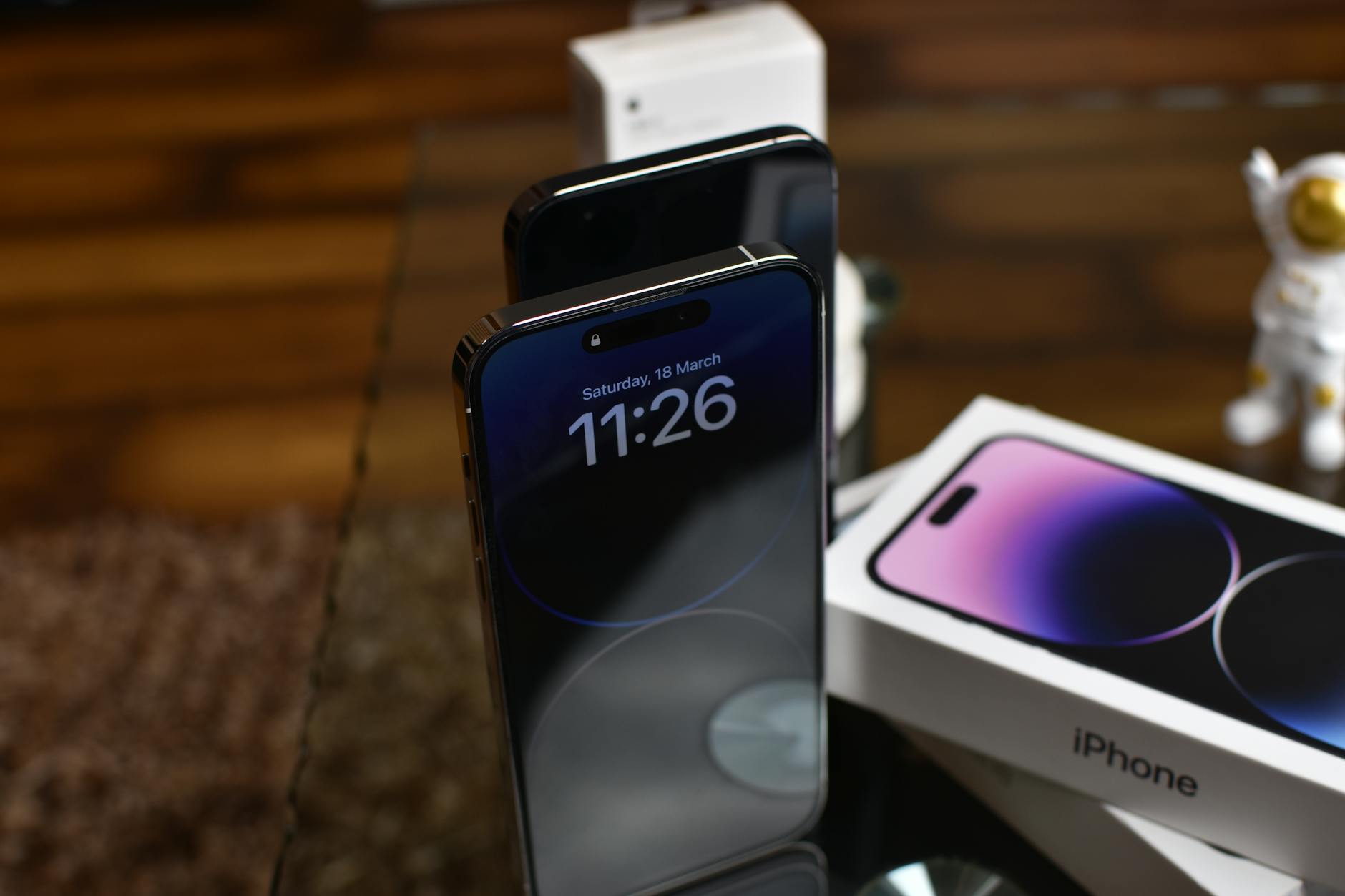
Apple iPhone 17e vs iPhone 16: Is the Upgrade Worth It in 2026?
Apple just pulled the curtain back on the iPhone 17e, and the tech world is buzzing. Positioned as the more affordable entry point into Apple's 2026 lineup, the iPhone 17e doesn't just recycle old parts — it introduces the brand-new C1X chip, a component that Apple says delivers three unique advantages over anything the company has shipped before. But here's the real question: if you're still rocking an iPhone 16, should you actually bother upgrading?
Let's break down what's new, what's changed, and whether the iPhone 17e deserves a spot in your pocket.
Photo by Tima Miroshnichenko on Pexels | Source
What Is the iPhone 17e?
The iPhone 17e is Apple's latest "essentials" iPhone — the successor to the iPhone 16e (formerly SE line), rebuilt from the ground up with a more modern design philosophy. Think of it as the sweet spot between price and performance in the 2026 iPhone lineup. Apple has long used the "e" tier to bring flagship-adjacent features to a slightly lower price point, and the 17e continues that tradition — this time with some genuinely exciting under-the-hood upgrades.
Key specs confirmed at launch include:
- C1X chip (Apple's latest custom silicon, designed specifically for the 17e)
- Updated camera system with computational photography improvements
- A refreshed design with thinner bezels compared to its predecessor
- Longer battery life estimates compared to the iPhone 16
- Apple Intelligence integration baked in at the OS level
The C1X Chip: Apple's Secret Weapon
The headline feature of the iPhone 17e isn't the camera or the screen — it's the C1X chip. According to Apple and early reporting from 9to5Mac, this chip delivers three distinct advantages that set it apart:
Superior wireless connectivity — The C1X is Apple's first in-house modem chip designed for efficiency at scale. It's engineered to maintain stronger, more stable connections across Wi-Fi, cellular, and Bluetooth simultaneously, consuming less power while doing so.
AI-accelerated on-device processing — The chip's neural engine is tightly integrated with Apple Intelligence features, making real-time tasks like photo editing, voice transcription, and predictive text noticeably snappier than on the iPhone 16.
Thermal efficiency gains — One of the biggest complaints about mid-tier iPhones has historically been throttling under sustained load. The C1X runs cooler and more efficiently, meaning you should see consistent performance rather than burst-and-throttle cycles.
This chip represents Apple's deeper push toward vertical integration — controlling every component from silicon to software, reducing reliance on Qualcomm modems in the process.
Photo by Andrey Matveev on Pexels | Source
iPhone 17e vs iPhone 16: Head-to-Head Comparison
Let's put these two side by side on the specs that actually matter to everyday users:
Performance
The iPhone 16 runs on the A18 chip, which is still a powerhouse. However, the C1X in the iPhone 17e is purpose-built for the efficiency era of AI computing. For general tasks — browsing, streaming, social media — both phones will feel virtually identical. Where the 17e pulls ahead is in AI-assisted features and connectivity stability.
Camera
The iPhone 16 features a dual 48MP + 12MP camera setup that's genuinely excellent. The iPhone 17e brings computational upgrades via the C1X's neural engine, which means smarter scene recognition, better low-light processing, and faster image capture. However, if you're a photography enthusiast, the physical hardware difference is marginal.
Battery Life
Apple has officially claimed improved all-day battery life for the 17e compared to its predecessor. Given the C1X's thermal and power efficiency improvements, early benchmark leaks suggest the 17e could outperform the iPhone 16 in real-world battery drain tests — a significant win for everyday users.
Design
Both phones share a similar form factor, but the 17e has a slightly updated aesthetic with refined bezels. It doesn't look radically different, but it feels more current.
Price
This is where things get interesting. The iPhone 17e is expected to be priced below the iPhone 17, making it more accessible — a key strategic move by Apple to compete with mid-range Android flagships that have made serious inroads in 2025-2026.
Who Should Upgrade?
Let's be honest — not every new iPhone launch justifies an immediate upgrade. Here's a quick guide:
Upgrade if you:
- Are on an iPhone 15 or older — the generational leap in chip efficiency and AI features will be very noticeable
- Prioritize battery life and connectivity over raw power
- Want Apple Intelligence features at a more accessible price point
- Are currently on a non-Apple phone and want to enter the ecosystem affordably
Hold off if you:
- Already own an iPhone 16 — the real-world differences are incremental
- Are waiting for the full iPhone 17 Pro lineup with more premium camera features
- Don't actively use Apple Intelligence or AI-driven features yet

Photo by Ajay Lamichhane on Pexels | Source
The Bigger Picture: Apple's 2026 Strategy
The iPhone 17e launch signals something important about Apple's direction. Rather than simply refreshing specs, Apple is using the "e" tier to pioneer new silicon strategies — specifically the C1X modem chip — before potentially rolling similar technology into higher-end models. It's a calculated move that lets Apple test real-world performance at scale while keeping the 17e competitively priced.
This also positions Apple more aggressively against Samsung Galaxy A series and Google Pixel 9a, both of which have raised the bar for affordable flagship alternatives in 2026. The C1X chip gives the 17e a genuine edge in AI performance that neither competitor can currently match at a similar price point.
Another smart play: the 17e arrives with full Apple Intelligence support from day one, including enhanced Siri capabilities, real-time summarization, and on-device image generation tools. These aren't stripped-down versions either — they're the same features available on the flagship iPhone 17 Pro lineup.
Final Verdict
The iPhone 17e is a genuinely compelling device — especially if you're not already invested in Apple's latest hardware. The C1X chip is a meaningful innovation, not just a marketing headline, and the connectivity, AI performance, and thermal efficiency gains are real advantages for daily use.
For iPhone 16 owners, the upgrade math is harder to justify unless connectivity or battery life is a genuine pain point. But for everyone else? The 17e might just be the best value Apple has offered in years.
Keep an eye on pre-order dates, carrier deals, and trade-in offers — Apple typically makes the upgrade easier than you'd think when you factor in those incentives.
Frequently Asked Questions
What is the Apple C1X chip in the iPhone 17e? The C1X is Apple's custom-designed chip for the iPhone 17e, featuring an in-house modem, enhanced neural engine, and improved thermal management. It replaces the previous Qualcomm modem dependency and brings three key advantages: better wireless connectivity, faster AI processing, and superior power efficiency.
Is the iPhone 17e worth buying over the iPhone 17? It depends on your priorities. The iPhone 17e is a more affordable option with the C1X chip and solid everyday performance, while the full iPhone 17 likely offers a more advanced camera system and premium build. If budget matters and you don't need the absolute best camera, the 17e is an excellent choice.
How does the iPhone 17e compare to Android mid-rangers in 2026? The iPhone 17e directly competes with phones like the Samsung Galaxy A56 and Google Pixel 9a. Its main advantages are iOS ecosystem integration, the C1X chip's AI capabilities, and Apple Intelligence support. Android alternatives may offer more hardware flexibility, but the 17e holds its own on software optimization and long-term update support.
Does the iPhone 17e support Apple Intelligence? Yes, the iPhone 17e supports Apple Intelligence features fully, including enhanced Siri, on-device summarization, writing tools, and image generation features — the same suite available on the flagship iPhone 17 lineup.
When will the iPhone 17e be available to buy? Apple has announced the iPhone 17e but specific release date and pricing details are still being confirmed by retailers. Historically, Apple makes new iPhones available within a few weeks of announcement, so pre-orders and availability are expected very soon after the official reveal.
Frequently Asked Questions
What is the Apple C1X chip in the iPhone 17e?
The C1X is Apple's custom-designed chip for the iPhone 17e, featuring an in-house modem, enhanced neural engine, and improved thermal management. It replaces the previous Qualcomm modem dependency and brings three key advantages: better wireless connectivity, faster AI processing, and superior power efficiency.
Is the iPhone 17e worth buying over the iPhone 17?
It depends on your priorities. The iPhone 17e is a more affordable option with the C1X chip and solid everyday performance, while the full iPhone 17 likely offers a more advanced camera system and premium build. If budget matters and you don't need the absolute best camera, the 17e is an excellent choice.
How does the iPhone 17e compare to Android mid-rangers in 2026?
The iPhone 17e directly competes with phones like the Samsung Galaxy A56 and Google Pixel 9a. Its main advantages are iOS ecosystem integration, the C1X chip's AI capabilities, and Apple Intelligence support, giving it a software optimization and long-term update edge over many Android alternatives.
Does the iPhone 17e support Apple Intelligence?
Yes, the iPhone 17e supports Apple Intelligence features fully, including enhanced Siri, on-device summarization, writing tools, and image generation features — the same suite available on the flagship iPhone 17 lineup.
Should I upgrade to the iPhone 17e from an iPhone 16?
If you own an iPhone 16, the upgrade is incremental and may not be necessary unless battery life or connectivity is a specific pain point. However, if you're on an iPhone 15 or older, the iPhone 17e offers meaningful improvements in AI performance, efficiency, and wireless connectivity that make the upgrade worthwhile.


