

Trump's New Retirement Proposal Puts Senior Health in the Spotlight
The Washington Post recently reported that President Trump is floating a new retirement benefit targeting roughly 54 million American workers — a proposal that has reignited national conversation about aging, financial security, and, critically, health in retirement. Because here's the truth: no retirement plan is complete without a serious strategy for staying healthy long enough to enjoy it.
Whether you're 35 and just starting to think about your golden years, or 55 and counting down the days, your health is your greatest retirement asset. Medical bills remain one of the top causes of financial hardship for retirees in the United States, according to data from the Kaiser Family Foundation. The good news? Many of the biggest health risks associated with aging are preventable — or at least manageable — with the right habits started today.
Here are 7 science-backed strategies to protect your health as you plan for retirement.

Photo by RDNE Stock project on Pexels | Source
1. Prioritize Cardiovascular Exercise — Your Heart Is Your Retirement Fund
Cardiovascular disease remains the leading cause of death for adults over 65 in the United States (CDC data). But decades of research show that regular aerobic exercise dramatically reduces your risk.
The American Heart Association recommends:
- 150 minutes of moderate aerobic activity per week (like brisk walking or cycling)
- 75 minutes of vigorous activity (like jogging or swimming) as an alternative
- Strength training at least 2 days per week
You don't need a gym membership. A daily 30-minute walk, five days a week, is enough to significantly lower your risk of heart disease, stroke, and type 2 diabetes — three of the most expensive chronic conditions in retirement.
Pro tip: Start tracking your activity with a wearable device. Consistent monitoring has been shown to increase physical activity levels in adults of all ages.
2. Build a Brain-Healthy Diet — What You Eat Today Shapes Your Mind Tomorrow
Cognitive decline is one of the most feared aspects of aging, and for good reason. Alzheimer's disease and related dementias affect millions of Americans, with long-term care costs that can devastate even well-funded retirement accounts.
The MIND diet (Mediterranean-DASH Intervention for Neurodegenerative Delay), developed by researchers at Rush University, has been shown in studies to reduce the risk of Alzheimer's disease by up to 53% in people who follow it rigorously.
Key foods to emphasize:
- Leafy green vegetables (at least 6 servings per week)
- Berries (especially blueberries and strawberries, at least twice a week)
- Nuts, beans, and whole grains daily
- Fish at least once a week
- Olive oil as your primary cooking fat
Foods to limit:
- Red meat, butter, cheese, pastries, and fried or fast food
Think of every healthy meal as a deposit into your cognitive savings account.
3. Protect Your Sleep — It's Not a Luxury, It's Medicine
Sleep is drastically underrated in most health conversations, yet the science is unequivocal: chronic sleep deprivation accelerates aging at a cellular level. Research published in journals like Nature and Sleep has linked poor sleep to increased risks of heart disease, obesity, diabetes, depression, and cognitive decline.
For adults over 40, the National Sleep Foundation recommends 7 to 9 hours of quality sleep per night. Here's how to improve yours:
- Set a consistent sleep and wake schedule — even on weekends
- Keep your bedroom cool and dark (ideally 65–68°F / 18–20°C)
- Avoid screens for 60 minutes before bed — blue light suppresses melatonin production
- Limit alcohol and caffeine after 2 PM
- Talk to your doctor about sleep apnea screening — it's significantly underdiagnosed and linked to serious cardiovascular complications
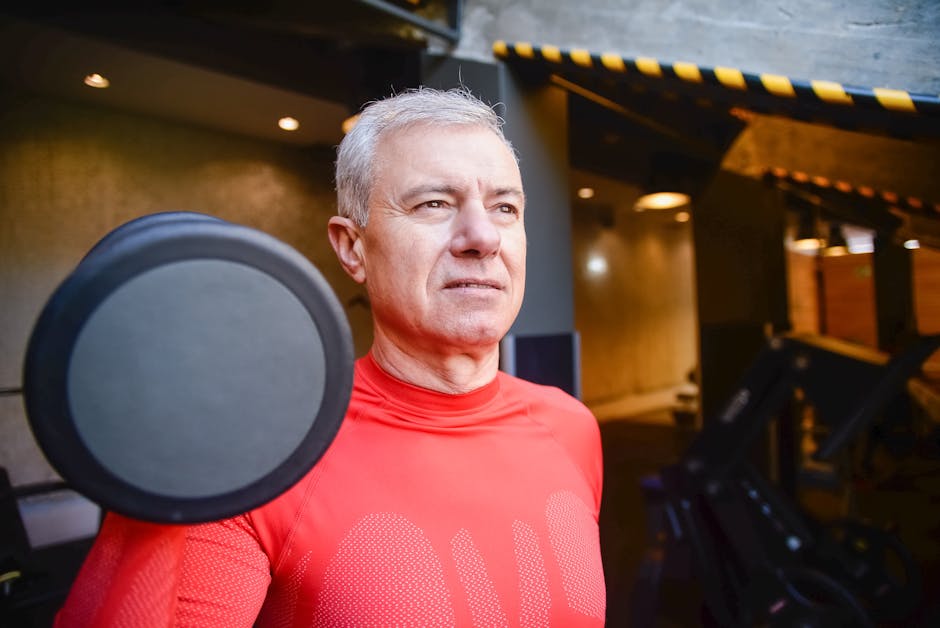
Photo by Kampus Production on Pexels | Source
4. Strength Train to Fight Sarcopenia — Muscle Is Your Metabolic Engine
Here's a retirement health fact that surprises many people: you begin losing muscle mass (a process called sarcopenia) as early as your 30s, at a rate of roughly 3–5% per decade. By the time you reach your 70s and 80s, significant muscle loss can mean difficulty with basic daily tasks, increased fall risk, and metabolic slowdown.
The solution? Resistance training. Studies consistently show that older adults who engage in regular strength training:
- Maintain greater functional independence
- Have lower rates of falls and fractures
- Enjoy better metabolic health and insulin sensitivity
- Report improved mood and reduced depression symptoms
You don't need to become a powerlifter. Body-weight exercises like squats, push-ups, lunges, and resistance band workouts done two to three times per week are enough to make a meaningful difference. If you're new to strength training, consider a few sessions with a certified personal trainer to learn proper form and avoid injury.
5. Stay Socially Connected — Loneliness Is a Real Health Risk
The U.S. Surgeon General has officially declared loneliness an epidemic in America, with health impacts comparable to smoking 15 cigarettes a day. For retirees especially, the loss of workplace social connections can be a silent health hazard.
Research from Harvard's long-running Adult Development Study — one of the longest studies on adult life ever conducted — found that close relationships, more than money or fame, are what keep people happy and healthy as they age.
Practical ways to build and maintain social health:
- Join community groups, clubs, or volunteer organizations aligned with your interests
- Prioritize regular contact with family and close friends — schedule it if needed
- Consider fitness classes or group sports — you get the social and exercise benefits simultaneously
- If you're already retired, mentoring, part-time work, or lifelong learning programs can replace the social structure of the workplace
Don't underestimate this one. Your social life is your health life.
6. Schedule Preventive Screenings — Catching Problems Early Saves Lives and Money
One of the most cost-effective things you can do for your retirement health? Show up for your preventive screenings. Many of the most serious and expensive conditions — including colorectal cancer, breast cancer, prostate cancer, cardiovascular disease, and osteoporosis — are significantly more treatable when caught early.
Key screenings adults should discuss with their doctor:
- Blood pressure checks — at every routine visit
- Cholesterol and blood glucose — starting at 35 for men and 45 for women, or earlier with risk factors
- Colorectal cancer screening — starting at age 45 (American Cancer Society guidelines)
- Mammograms and Pap smears — per current U.S. Preventive Services Task Force guidelines
- Bone density scans (DEXA) — for women 65+ and men 70+, or earlier with risk factors
- Eye and hearing exams — annually after 60
Many of these screenings are fully covered under Medicare and most insurance plans with no out-of-pocket cost when classified as preventive care. Use those benefits — you're paying for them.

Photo by SHVETS production on Pexels | Source
7. Manage Stress Actively — Chronic Stress Ages You Faster Than Almost Anything Else
Chronic psychological stress triggers a cascade of physiological responses — elevated cortisol, systemic inflammation, immune suppression — that accelerate aging at a cellular level. Research on telomere length (a biomarker of cellular aging) shows that chronically stressed individuals have shorter telomeres, equivalent to years of additional biological aging.
Effective, evidence-based stress management tools include:
- Mindfulness meditation — even 10 minutes daily has been shown to reduce cortisol levels and improve emotional regulation
- Regular physical activity — exercise is one of the most effective natural antidepressants known to science
- Therapy and counseling — particularly Cognitive Behavioral Therapy (CBT), which has strong evidence for managing anxiety and depression
- Journaling — expressive writing has been linked to improved immune function and emotional processing
- Nature exposure — studies show that spending time outdoors, even in urban parks, meaningfully reduces stress hormones
Financial stress in particular tends to spike as retirement approaches. Coupling a solid financial retirement plan with these stress management practices is a powerful combination.
Your Health Is Your Wealthiest Retirement Asset
As new retirement benefit proposals emerge in Washington and conversations about financial security for older Americans intensify, it's worth remembering that no benefit or savings account can fully compensate for poor health. The habits you build today — how you move, eat, sleep, connect, and manage stress — will determine your quality of life in retirement far more than any single policy.
Start with one change from this list. Then add another. Your future self will thank you for every single step you take today.

