
The AI Job Threat Is Real — But Not for Everyone
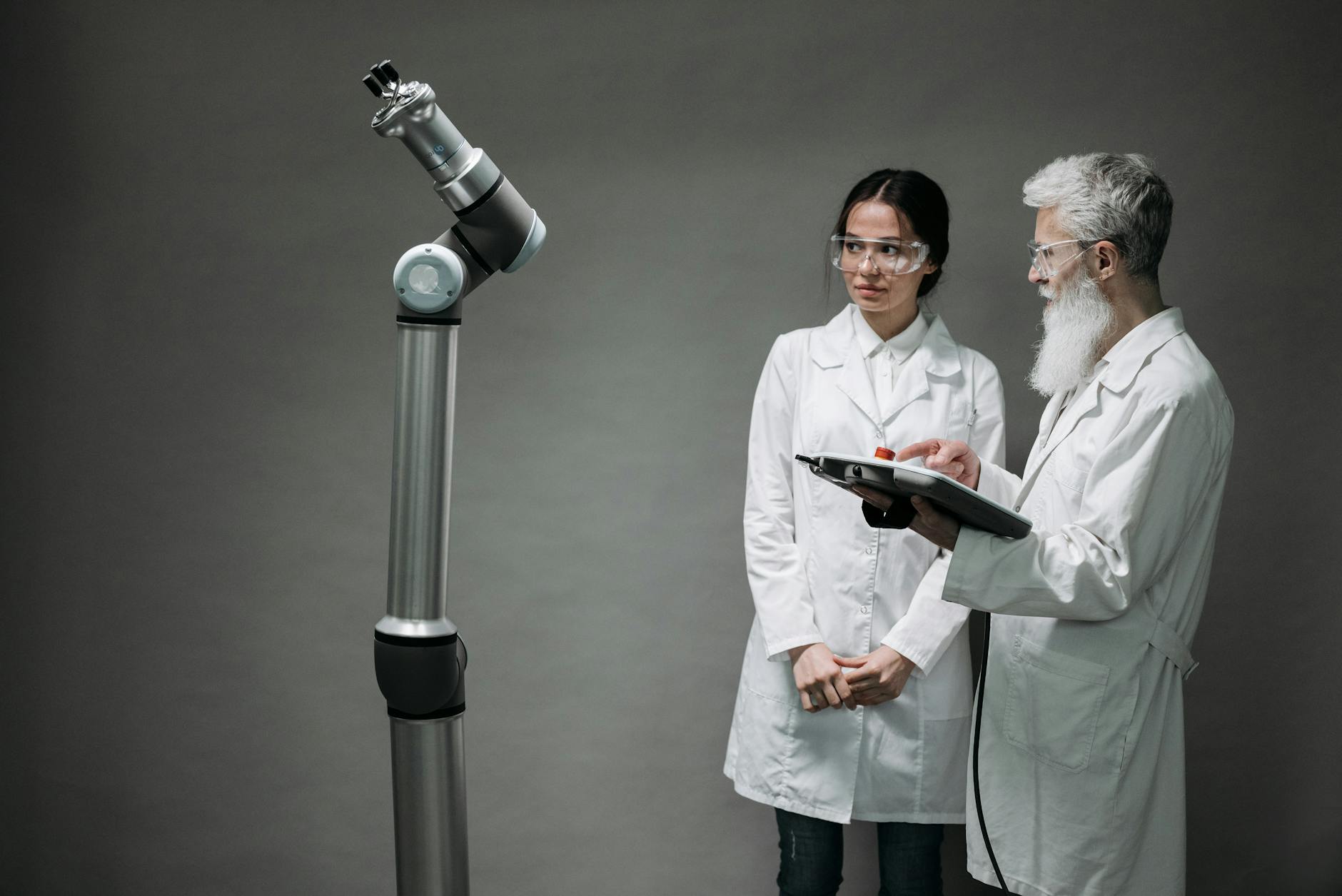
By now, you've probably heard the alarm bells. Artificial intelligence is reshaping the job market at a pace that's making even seasoned professionals nervous. From law firms using AI to draft contracts to hospitals deploying machine learning for diagnostics, the disruption is real and accelerating fast. But here's the thing — not every job is equally vulnerable.
Anthropic, the AI safety company behind the Claude family of models, recently published research identifying the careers that are least likely to be displaced by AI automation in the near term. As one of the most credible voices in the AI space, Anthropic's findings carry serious weight. If you're thinking about a career pivot, advising your kids on what to study, or simply wondering whether your livelihood is safe, this breakdown is for you.

Photo by Gustavo Fring on Pexels | Source
Why Anthropic's Analysis Matters More Than Others
Anthropics isn't just another tech company making predictions. They build frontier AI systems and understand — perhaps better than anyone — what these models can and cannot do. Their research doesn't rely on vague speculation. It's grounded in an understanding of AI's actual cognitive limitations, not its theoretical future potential.
The core insight? AI excels at pattern recognition, language processing, and data analysis. But it struggles profoundly with physical dexterity, real-time human judgment, deep emotional intelligence, and unpredictable real-world environments. That gap is where safe jobs live.
Here are the six careers Anthropic identifies as carrying the least AI displacement risk in 2026.
1. Mental Health Therapists and Counselors
Therapy is fundamentally human. While AI chatbots like Woebot and others can offer basic emotional support, they cannot replicate the trust, nuance, and relational depth that effective therapy requires. Clients in crisis need a human who can read body language, adapt in real-time, and carry genuine empathy — not a language model generating statistically likely responses.
Why it's safe: Human emotional connection cannot be authentically replicated by AI. Regulatory and ethical standards also require licensed human practitioners.
2. Skilled Trades (Electricians, Plumbers, HVAC Technicians)
Robots are still shockingly bad at navigating the chaotic physical environments that skilled tradespeople work in every day — cramped crawl spaces, non-standardized infrastructure, and jobs that change with every house. An electrician troubleshooting a 1940s wiring system in an old brownstone requires improvisational problem-solving that no current AI robot can perform reliably.
Why it's safe: The physical manipulation, spatial reasoning, and on-the-fly adaptability required are well beyond current robotics capabilities. Demand is also surging due to infrastructure investment and the green energy transition.
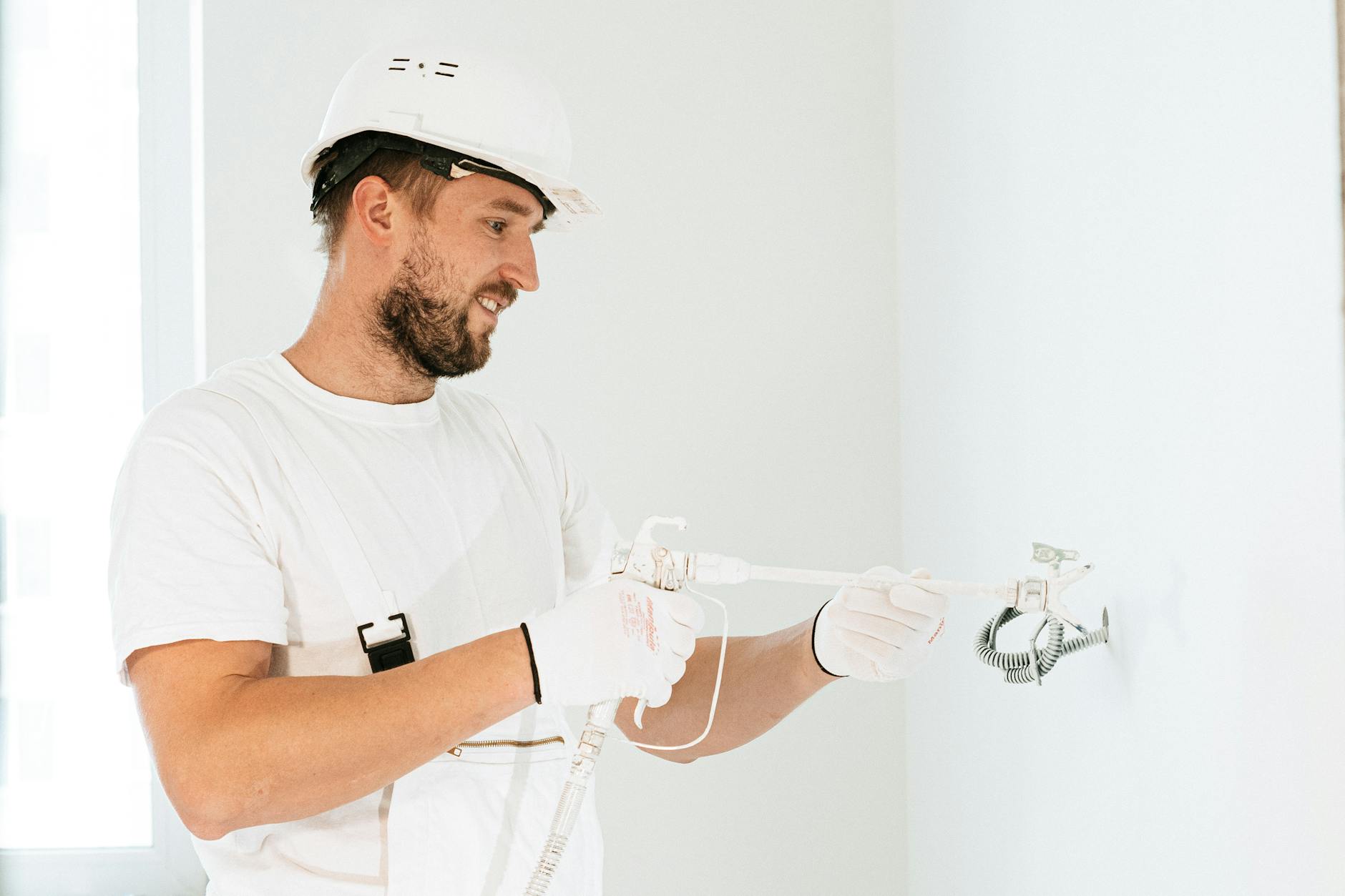
Photo by Antoni Shkraba Studio on Pexels | Source
3. Emergency Medical Technicians (EMTs) and Paramedics
EMTs operate in some of the most unpredictable environments imaginable. They make split-second decisions, manage multiple variables simultaneously, and must physically stabilize and transport patients — often in chaotic, high-stakes conditions. AI can assist with diagnostics and dispatch optimization, but the boots-on-the-ground responder role is irreplaceable.
Why it's safe: Combines physical intervention, rapid judgment under pressure, and human-to-human stabilization in non-standardized environments.
4. Teachers and Special Education Professionals
Education — especially at the K-12 level and in special education — requires reading the emotional, psychological, and cognitive state of individual students in real-time and adapting accordingly. While AI tutoring tools are improving (think Khan Academy's Khanmigo), they serve as supplements, not replacements. Special education in particular demands a level of personalized human care that goes far beyond what any current AI system can deliver.
Why it's safe: Deep human relationship-building, behavioral management, and individualized emotional support are central to the role. Regulatory requirements also mandate licensed human educators.
5. Nurses and Hands-On Healthcare Workers
Nursing involves far more than administering medications. It's physical care, patient advocacy, emotional support, and constant real-time clinical judgment — often simultaneously. While AI is transforming hospital diagnostics and administrative workflows, the bedside care role remains firmly human. The nursing shortage in the U.S. is actually worsening, meaning job security is strong for the foreseeable future.
Why it's safe: Physical care, nuanced patient assessment, and irreplaceable human presence in sensitive medical moments cannot be automated.

Photo by RDNE Stock project on Pexels | Source
6. Construction Managers and Site Supervisors
Managing a construction site is one of the most complex coordination challenges in the professional world. You're managing shifting teams, real-time safety risks, supplier logistics, local regulations, and unpredictable physical environments — all at once. While AI tools can assist with scheduling and planning, the on-ground leadership and adaptive decision-making required are distinctly human.
Why it's safe: Leadership under uncertainty, real-world physical oversight, and multi-stakeholder management in dynamic environments resist full automation.
What All 6 Jobs Have in Common
Look at that list and a pattern emerges clearly:
- Physical presence in unpredictable environments
- Deep human-to-human emotional engagement
- Real-time adaptive judgment under pressure
- Regulatory or ethical requirements for human oversight
These are the dimensions where AI — even the most advanced frontier models — genuinely struggles. They're not going to solve this in the next 2-3 years. That's not pessimism about AI progress; it's an honest assessment from the people who build these systems.
What About "AI-Augmented" Roles?
It's worth noting that even for jobs on this list, AI will play a growing support role. A therapist might use AI-assisted session notes. A nurse might rely on AI-driven diagnostic alerts. A construction manager might use AI scheduling tools. The key difference is augmentation vs. replacement. In these six fields, AI makes the human better — it doesn't make the human unnecessary.
This is actually great news. If you're in one of these careers, learning to use AI tools effectively will make you significantly more productive and valuable, without threatening your core role.
How to Future-Proof Your Career Starting Today
Whether you're in one of these six fields or not, here's how to think strategically:
- Identify the irreplaceable parts of your job — the judgment calls, the relationship management, the physical skills. Double down on those.
- Learn AI tools that augment your work — don't fear them, master them. This is already a differentiator in hiring.
- Pursue credentials in high-demand physical or care roles — the skilled trades and healthcare shortage is only growing.
- Stay informed — AI capabilities are evolving. Anthropic publishes ongoing research, and keeping up with it is genuinely useful.
The bottom line? AI is transforming the economy — but it's not consuming it wholesale. The humans who thrive will be those who understand what machines do well, and lean hard into what only humans can do. That's not a small thing. That's the future of work.
FAQ
What jobs are safest from AI replacement in 2026? According to Anthropic's research, the safest jobs include mental health therapists, skilled tradespeople, EMTs, teachers, nurses, and construction managers. These roles require physical presence, human judgment, and emotional intelligence that AI cannot reliably replicate.
Is Anthropic's AI job risk research reliable? Anthropics is widely considered one of the most credible AI safety research organizations in the world. As builders of frontier AI systems, their assessments of what AI can and cannot do are grounded in direct, hands-on experience — making their career risk analysis more trustworthy than most.
Will AI eventually replace all jobs? No credible AI researcher currently believes AI will replace all jobs. The consensus is that AI will automate specific tasks and transform roles, but jobs requiring physical dexterity, emotional connection, adaptive real-world judgment, and human relationship-building will remain human-led for the foreseeable future.
How can I protect my career from AI automation? Focus on developing the irreplaceable parts of your skill set — human judgment, emotional intelligence, physical expertise, and leadership. Additionally, learning to use AI tools as productivity enhancers rather than avoiding them entirely will make you significantly more competitive in any field.
Are skilled trades really AI-proof? In the near to medium term, yes. Current robotics technology cannot navigate the unpredictable physical environments that plumbers, electricians, and HVAC technicians work in daily. The demand for skilled tradespeople is also surging due to infrastructure investment and energy transition projects, making these careers extremely stable through at least the end of the decade.
Frequently Asked Questions
What jobs are safest from AI replacement in 2026?
According to Anthropic's research, the safest jobs include mental health therapists, skilled tradespeople, EMTs, teachers, nurses, and construction managers. These roles require physical presence, human judgment, and emotional intelligence that AI cannot reliably replicate.
Is Anthropic's AI job risk research reliable?
Anthropic is widely considered one of the most credible AI safety research organizations in the world. As builders of frontier AI systems, their assessments of what AI can and cannot do are grounded in direct, hands-on experience — making their career risk analysis more trustworthy than most.
Will AI eventually replace all jobs?
No credible AI researcher currently believes AI will replace all jobs. The consensus is that AI will automate specific tasks and transform roles, but jobs requiring physical dexterity, emotional connection, adaptive real-world judgment, and human relationship-building will remain human-led for the foreseeable future.
How can I protect my career from AI automation?
Focus on developing the irreplaceable parts of your skill set — human judgment, emotional intelligence, physical expertise, and leadership. Additionally, learning to use AI tools as productivity enhancers rather than avoiding them entirely will make you significantly more competitive in any field.
Are skilled trades really AI-proof?
In the near to medium term, yes. Current robotics technology cannot navigate the unpredictable physical environments that plumbers, electricians, and HVAC technicians work in daily. Demand for skilled tradespeople is also surging due to infrastructure investment and energy transition projects, making these careers extremely stable.


